
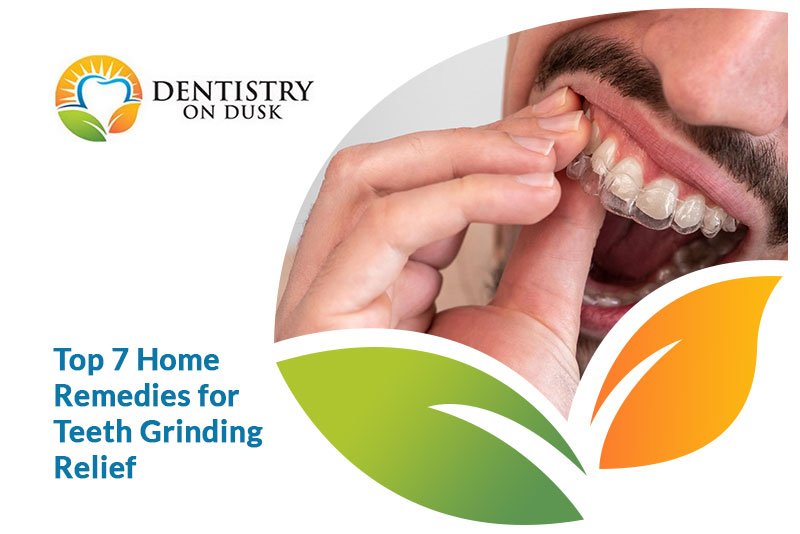
Are you waking up with a sore jaw or headaches that just won’t go away? You might be grinding your teeth at night without even realizing it.
Bruxism, or teeth grinding, can cause serious damage if left unchecked. But what if you could stop it naturally, without relying on expensive treatments or harsh medications? You’ll discover simple, effective ways to calm your jaw and protect your smile—starting tonight.
Keep reading to take control of your bruxism and enjoy peaceful, pain-free nights again.
Causes Of Bruxism
Stress and anxietyoften cause teeth grinding at night. Many people clench their jaw when feeling worried or tense. This can lead to bruxismduring sleep or even when awake.
Sleep disorderslike sleep apnea and snoring are linked to bruxism. These conditions disrupt sleep and cause jaw muscles to tighten. This makes teeth grinding worse.
Lifestyle factorssuch as smoking, drinking alcohol, and caffeine intake can increase the risk. Poor sleep habits and high physical activity may also contribute to teeth grinding.
Some medications and health conditionsmay cause bruxism. Certain antidepressants and psychiatric drugs affect the nervous system. Medical issues like Parkinson’s disease can also trigger jaw clenching.
Credit: medium.com
Signs And Symptoms
Jaw pain and sorenessare common signs of bruxism. The muscles around your jaw may feel tired or tight. This discomfort can last through the day or after waking up. Clenching or grinding puts pressure on the jaw joints.
Tooth damagemay include worn or chipped teeth. The enamel can wear thin, making teeth sensitive. Over time, this damage may cause cracks or breaks. Dentists often spot signs of grinding during checkups.
Headaches and earachesoften happen due to muscle strain. The pain may start near the temples or around the ears. These headaches can feel like tension or pressure. Earaches may occur even without ear infection.
Sleep disruptionshappen because grinding noise can wake you or others. Poor sleep affects mood and energy. Bruxism can cause restless nights and tired mornings.
Dietary Changes
Avoiding caffeine and alcoholhelps reduce teeth grinding. Both can increase stressand make muscles tense. Try to limit drinks like coffee, tea, soda, and alcoholic beverages, especially in the evening. This can help your body relax before sleep.
Foods that promote relaxationinclude items rich in magnesium and calcium. Examples are spinach, bananas, nuts, and dairy products. These foods support muscle health and calm the nervous system. Eating them regularly may ease bruxism symptoms.
Hydration is keyfor overall health and may reduce teeth grinding. Drinking enough water helps keep muscles and joints healthy. Aim for at least 8 glasses daily. Avoid sugary drinks that can increase stress and discomfort.

Credit: www.dentistryondusk.com
Stress Management Techniques
Relaxation exercises and deep breathing help reduce tension that causes teeth grinding. Establishing a calm bedtime routine supports natural stress relief. Gentle jaw stretches and mindfulness can ease muscle tightness and prevent bruxism.
Meditation And Mindfulness
Meditationhelps calm the mind and reduce stress. It trains focus on the present moment. Practicing mindfulness daily can lower teeth grindingcaused by tension. Just a few minutes each day improves relaxation and controls anxiety.
Breathing Exercises
Deep breathing slows the heart and relaxes muscles. Taking slow, deep breaths helps release stress. Simple exercises like inhaling for 4 seconds and exhaling for 6 seconds can ease tension. These exercises are easy to do anywhere.
Yoga And Physical Activity
Yogacombines movement and breathing to reduce stress. It stretches and relaxes muscles, especially in the jaw and neck. Regular physical activityalso lowers stress hormones. Walking, swimming, or light exercise can lessen teeth grinding.
Sleep Hygiene Tips
Creating a relaxing bedtime routinehelps your body get ready for sleep. Try simple activities like reading, gentle stretching, or listening to soft music. Avoid screens and bright lights at least 30 minutes before bed. This lowers stress and calms your mind.
Optimizing your sleep environmentmeans making your bedroom quiet, dark, and cool. Use blackout curtains or an eye mask to block light. Earplugs or white noise machines can reduce noise. A comfortable mattress and pillows support good sleep posture.
Keeping a consistent sleep scheduletrains your body’s internal clock. Go to bed and wake up at the same time every day, even on weekends. This helps improve sleep quality and reduces teeth grinding caused by stress or tiredness.
Jaw Exercises And Massage
Stretchingthe jaw muscles helps reduce tension caused by grinding. Gently open your mouth wide and hold for a few seconds. Repeat this several times to improve flexibility. Moving your jaw side to side also eases tightness. These simple stretchescan be done daily.
Massagecan relax the muscles around the jaw. Use your fingers to press gently on the cheeks, temples, and jawline. Small circular motions help increase blood flow and relieve soreness. Spending a few minutes massaging these areas eases muscle tension.
| Therapy | How to Use | Benefits |
|---|---|---|
| Heat Therapy | Apply a warm cloth or heating pad to the jaw | Relaxes muscles and reduces stiffness |
| Cold Therapy | Use an ice pack wrapped in cloth on the jaw area | Reduces swelling and numbs pain |
Natural Supplements And Remedies
Herbal teaslike chamomile and valerian root help calm the mind. Drinking these teas before bed may reduce teeth grinding. They have natural relaxing properties that ease muscle tension.
Magnesiumis a mineral that supports muscle and nerve health. Low magnesium can increase muscle spasms and stress. Taking magnesium supplements or eating foods rich in magnesium, such as spinach and nuts, can help relax jaw muscles.
| Essential Oils | Benefits | Usage |
|---|---|---|
| Lavender | Promotes relaxation and reduces stress | Use in diffuser or dilute and apply on temples |
| Peppermint | Relieves muscle pain and tension | Massage diluted oil on jaw area |
| Eucalyptus | Calms muscles and soothes discomfort | Inhale steam or use in diffuser |

Credit: sentinelmouthguards.com
When To Seek Professional Help
Signs that bruxism needs medical attentioninclude constant jaw pain, worn teeth, and headaches. If grinding causes damage or sleep problems, seek help. A dentist can check for bite issues and suggest treatments.
Therapies and treatments availableinclude stress management, behavior therapy, and medication. Relaxation exercises reduce muscle tension. Sometimes doctors recommend muscle relaxants for short periods.
Using mouthguards and splintsprotects teeth from damage. Custom-fitted guards made by dentists fit comfortably and stop grinding. Over-the-counter options exist but may not work as well.
Frequently Asked Questions
What Are Natural Remedies To Stop Teeth Grinding?
Natural remedies include stress management, proper sleep, and avoiding caffeine. Jaw exercises and warm compresses can reduce muscle tension. Herbal teas like chamomile may promote relaxation and reduce grinding.
How Does Stress Cause Teeth Grinding?
Stress triggers muscle tension and unconscious jaw clenching during sleep or awake hours. Managing stress through meditation or therapy can help decrease bruxism episodes naturally.
Can Diet Affect Teeth Grinding?
Yes, consuming less caffeine and alcohol can reduce grinding. A balanced diet supports overall muscle health, while avoiding hard or chewy foods lessens jaw strain.
Is Mouthguard Necessary For Bruxism?
Mouthguards protect teeth from damage but do not stop grinding naturally. They are useful short-term while adopting lifestyle changes and natural remedies to reduce bruxism.
Conclusion
Tackling bruxism naturally can protect your teeth and improve sleep. Simple lifestyle changes make a big difference. Focus on reducing stress daily. Practice jaw exercises to relax muscles. Use a mouthguard if needed for protection. Seek professional advice if grinding persists.
Remember, small steps lead to big changes. Consistency is key to success. Stay patient and committed to your journey. Your smile deserves the best care. Embrace natural solutions to enhance your well-being. Happy, healthy nights await you.