
Is your baby grinding their teeth and you’re worried about what it means? You’re not alone, and it’s natural to want to protect your little one from any discomfort or damage.
Teeth grinding, or bruxism, can be unsettling to watch, but understanding why it happens and how you can help makes all the difference. You’ll discover simple, effective ways to stop your baby from grinding their teeth—so you can rest easier knowing your child’s smile is safe and sound.
Keep reading to find out what steps you can take today.
Causes Of Baby Teeth Grinding
Teethingoften causes babies to grind their teeth. The pain and discomfort from new teeth make them chew or clench their jaws. This helps soothe their sore gums.
Stress and anxietycan also lead to teeth grinding. Changes like a new routine or loud noises may upset babies. They may grind teeth as a way to feel calm.
- Teething pain and swollen gums
- Feeling tired or restless
- Stress from loud sounds or new places
- Emotional changes like separation from parents
Signs Your Baby Is Grinding Teeth
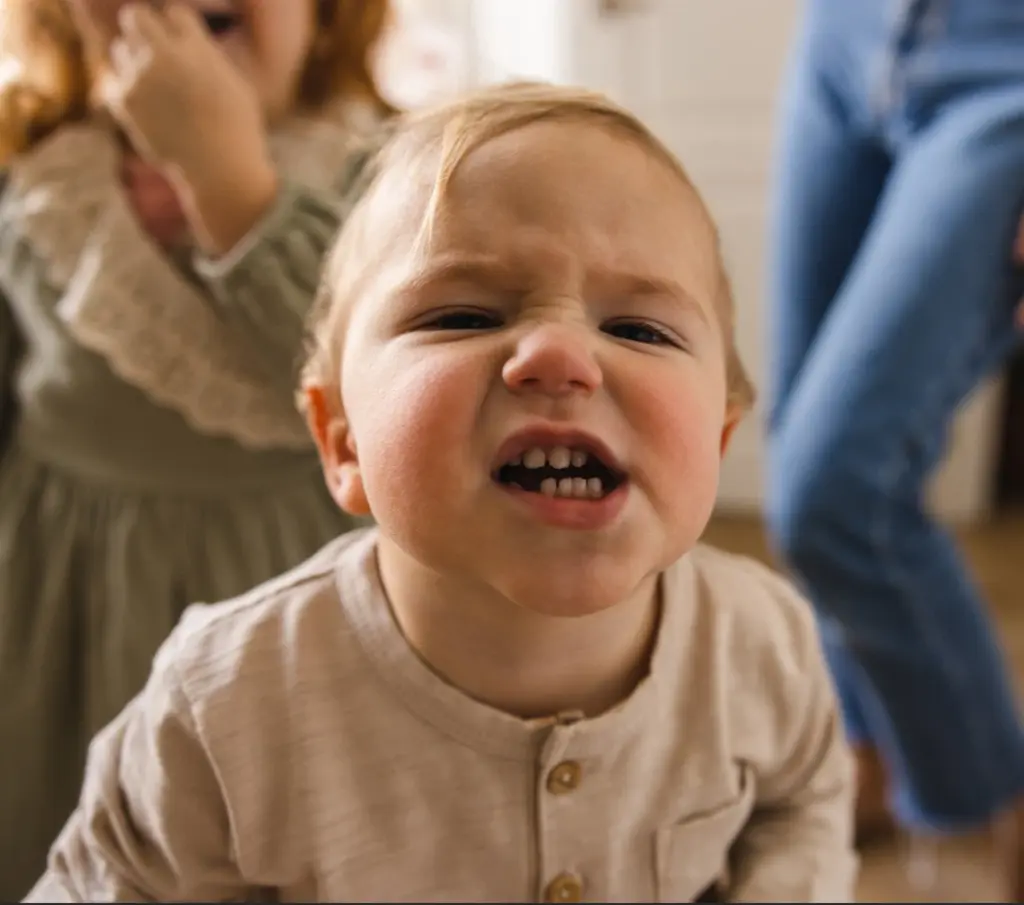
Noisy grinding soundswhile your baby sleeps can be a clear sign. These sounds happen when teeth rub together, often during deep sleep. Parents might hear a soft or loud noise coming from the baby’s mouth.
Worn down teethshow physical signs of grinding. Teeth may look flat, chipped, or shorter than usual. This wear can cause sensitivity or discomfort for your baby.
Irritability and sleep issuesmay occur because grinding can hurt the baby’s mouth or jaw. Your baby might wake up often or cry more than usual. Watch for changes in mood or sleep patterns.
Home Remedies To Reduce Teeth Grinding
Teething paincan make babies grind their teeth more. Using a cool, damp washcloth helps soothe sore gums. You can also give a chilled teething ring to chew on. This eases discomfort and reduces grinding.
A calm bedtime routinehelps your baby relax before sleep. Dim the lights and read a soft story. Gentle rocking or lullabies can create a peaceful mood. A quiet, dark room supports better rest.
- Hold your baby close to offer comfort.
- Distract with a soft toy or gentle massage.
- Keep the baby’s hands busy to reduce grinding urges.

Credit: lemaclinic.com
When To See A Pediatric Dentist
Regular dental checkups help track your baby’s teeth health. A pediatric dentistcan find early signs of damage caused by grinding. Early visits often make treatment easier and less scary for your child.
| Possible Treatments | Description |
|---|---|
| Night Guards | Soft devices to protect teeth during sleep. |
| Behavioral Therapy | Helps reduce grinding through habit changes. |
| Stress Reduction | Simple techniques to calm and relax the baby. |
Long-term monitoring checks if grinding affects tooth growth or jaw alignment. Dentists watch for any changes and suggest new care steps. Keeping a close eye prevents bigger problems later on.
Preventive Measures For Healthy Teeth
Keeping a baby’s mouth clean helps stop teeth grinding. Brush their teeth gently twice a day. Use a soft toothbrush and a tiny amount of toothpaste. Regular dental checkups catch problems early. Good habits start young.
Teaching a baby to chew food slowly can reduce grinding. Offer soft foods that are easy to chew. Avoid hard or sticky snacks that strain teeth. Chewing calmly helps relax the jaw muscles.
- Identify what causes stress for the baby.
- Create a calm bedtime routine.
- Use soft music or gentle rocking to soothe.
- Provide comfort toys to help reduce anxiety.
Lowering stress helps prevent grinding. Babies often grind teeth when they feel upset or anxious. Calm environments promote peaceful sleep and healthier teeth.

Credit: www.robelledental.com.au
Credit: lemaclinic.com
Frequently Asked Questions
Why Do Babies Grind Their Teeth?
Babies often grind their teeth due to teething discomfort or as they explore new oral sensations. It’s a common phase for many infants and usually not a cause for concern. However, if it persists, consult a pediatric dentist for further advice.
Is Teeth Grinding Harmful For Babies?
Occasional teeth grinding is typically harmless in babies. However, if it becomes frequent, it can cause dental issues. It’s advisable to monitor your baby’s behavior and consult a pediatric dentist if you’re worried about potential damage to their teeth.
How Can I Prevent Baby Teeth Grinding?
To prevent teeth grinding, ensure your baby has a calm bedtime routine. Offer teething toys to ease discomfort. Regular dental check-ups can help identify any underlying issues. If grinding persists, seek professional advice to explore further preventive measures.
When Should I Worry About Teeth Grinding?
You should be concerned if teeth grinding leads to visible wear or disrupts sleep. Persistent grinding may indicate underlying dental or medical issues. Consult a pediatric dentist for a thorough evaluation to rule out any potential problems.
Conclusion
Stopping your baby from grinding teeth takes patience and care. Watch your child closely and note when grinding happens. Offer comfort and gentle distractions to ease stress. Keep their teeth clean and schedule regular dental check-ups. Small changes can make a big difference over time.
Stay calm and consistent with your approach. Your baby will learn healthier habits soon. Trust the process, and don’t hesitate to ask a doctor for advice. Teeth grinding is common but manageable with simple steps.