

Are you tired of uneven, thick slices that ruin the look and texture of your food? Learning how to slice thin cuts efficiently can transform your cooking and presentation.
Whether you’re preparing delicate meats, vegetables, or fruits, mastering this skill saves time and makes your dishes stand out. You’ll discover simple techniques and expert tips that help you slice with precision and confidence every time. Ready to impress yourself and others with perfect thin cuts?
Keep reading to unlock the secrets.

Credit: www.shoplc.com
Choosing The Right Knife
Choosing the right knifeis key for thin slicing. A sharp bladeensures clean cuts without tearing the food. There are several types of knivesideal for thin cuts:
- Slicing Knife:Long and narrow, perfect for meats.
- Chef’s Knife:Versatile and good for many tasks.
- Utility Knife:Smaller, great for fruits and vegetables.
- Santoku Knife:Thin blade, ideal for delicate slicing.
Keeping knives sharp is important. Use a honing steelregularly to maintain the edge. Sharpen knives with a whetstone or professional service when dull. Always clean and dry knives after use to avoid rust. Store knives safely to protect the blade and your fingers.
Preparing The Ingredient
Choose a sharp knife and a stable cutting board for safe slicing. Chill the ingredient slightly to make thin cuts easier and cleaner. Keep fingers tucked in to avoid accidents while slicing.
Chilling For Easier Slicing
Place the meat in the freezerfor about 30 minutes. This makes it firmerand easier to slice. Cold meat holds its shape better. A sharp knife is important. It helps make thin, even cuts. Make sure your knife is cleanand ready. Patience is key. Take your time to get nice slices.
Trimming And Cleaning
Remove any extra fator skin from the meat. This ensures better slices. Rinse the meat under cold water. Pat it dry with paper towels. Dry meat is less slippery. It helps with a stable grip. Always use a cutting board. It keeps your counter clean. Keep your hands steady while slicing. Focus on even cuts.
Proper Cutting Techniques
Correct hand positioningis key for thin cuts. Hold the knife firmly with your dominant hand. Use your other hand to hold the food steady. Keep your fingers curled inward to avoid cuts. The knuckles guide the blade gently. This grip helps control the knife and makes slicing safer.
Smooth and consistent movementscreate even slices. Use a gentle rocking motion with the knife. Avoid pressing too hard or sawing back and forth. Keep the blade moving in one direction. This way, slices stay thin and uniform. Practice slow, steady cuts to build confidence and skill.
Using Cutting Tools And Accessories
Mandolines and slicershelp cut thin, even slices quickly. They have sharp blades that adjust thickness. Always use the safety guard to protect fingers. Keep blades clean and sharp for best results.
Cutting boardsgive a stable surface for slicing. Choose a board that won’t slip. Place a damp cloth or towel under the board to stop movement. This keeps cutting safe and easy.
| Tool | Benefit | Tip |
|---|---|---|
| Mandoline | Fast, even slices | Use safety guard |
| Slicer | Adjustable thickness | Keep blade sharp |
| Cutting Board | Stable cutting surface | Use non-slip base |
Safety Tips For Thin Slicing
Keep fingers awayfrom the blade at all times. Use a claw grip to hold food securely. This means tucking fingertips under and using knuckles as a guide. A sharp knife needs less force and reduces slipping risks. Always use a cutting board with a non-slip base or place a damp cloth underneath. Never rush while slicing thin cuts. Take your time for safe, precise slices.
Stay focusedwhile slicing. Avoid distractions like phones or talking. Concentration helps prevent accidents and improves slice quality. Keep your eyes on the blade and the food. If tired, stop and rest. Cutting with full attention keeps fingers safe and slices even.
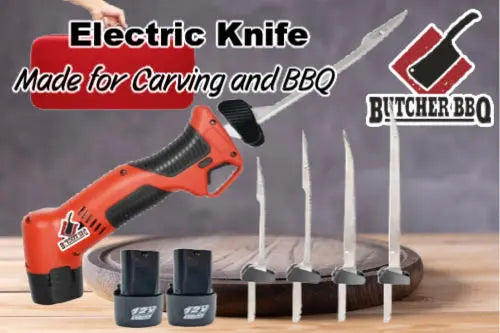
Credit: butcherbbq.com
Troubleshooting Common Issues
Slippery ingredientscan make slicing thin cuts tricky. To keep a firm grip, dry the ingredientwith a paper towel before slicing. Use a sharp knifeto avoid slipping. Place a damp clothunder your cutting board to stop it from moving. Hold the ingredient with your fingers curled inward to protect them.
Uneven slices often happen when the knife angle changes. Keep your knife steady and straightfor uniform cuts. Use a slicing guide or a ruler if needed. Cutting with smooth, even strokes helps maintain slice thickness. Practice controlling your hand pressure to get slices just right.
Storing And Using Thin Slices
Thin slicesstay fresh longer when wrapped tightly in plastic wrap or placed in an airtight container. Store them in the fridge at a temperature below 40°F (4°C). For best taste, use slices within 2-3 days. If you want to keep them longer, freezing is an option. Place slices between parchment paper sheets and store in a freezer bag. Thaw slowly in the fridge before use.
Thin slices work well in many recipes. Add them to sandwiches for a delicate texture. Use slices in salads to add flavor without overpowering other ingredients. They also melt quickly on hot dishes like pizzas or pastas. For quick snacks, roll slices with cheese or veggies. Thin cuts cook faster, so watch closely to avoid burning.

Credit: steakrevolution.com
Frequently Asked Questions
What Tools Work Best For Slicing Thin Cuts?
A sharp chef’s knife or a mandoline slicer works best. These tools ensure clean, uniform slices. Properly sharpened blades reduce effort and improve precision, making slicing easier and safer.
How To Prepare Meat For Thin Slicing?
Chill the meat in the freezer for 15-30 minutes. This firms it up, making thin slicing easier. Use a sharp knife and cut against the grain for tender slices.
What Techniques Improve Slicing Thin Cuts?
Use steady, even pressure and long slicing motions. Avoid sawing back and forth, as it tears the meat. Keep the blade angle consistent for uniform slices.
How To Maintain Knife Sharpness For Thin Slicing?
Regularly hone your knife with a honing rod. Sharpen it professionally or with a whetstone as needed. A sharp knife prevents uneven cuts and improves efficiency.
Conclusion
Slicing thin cuts takes practice and the right tools. Keep your knife sharp for clean, smooth slices. Use steady, even pressure and cut slowly. Always keep your fingers safe and away from the blade. Thin cuts cook faster and taste better in many dishes.
Try different techniques to find what works best for you. With time, slicing thin cuts will feel easy and natural. Enjoy preparing meals with precision and confidence every day.