
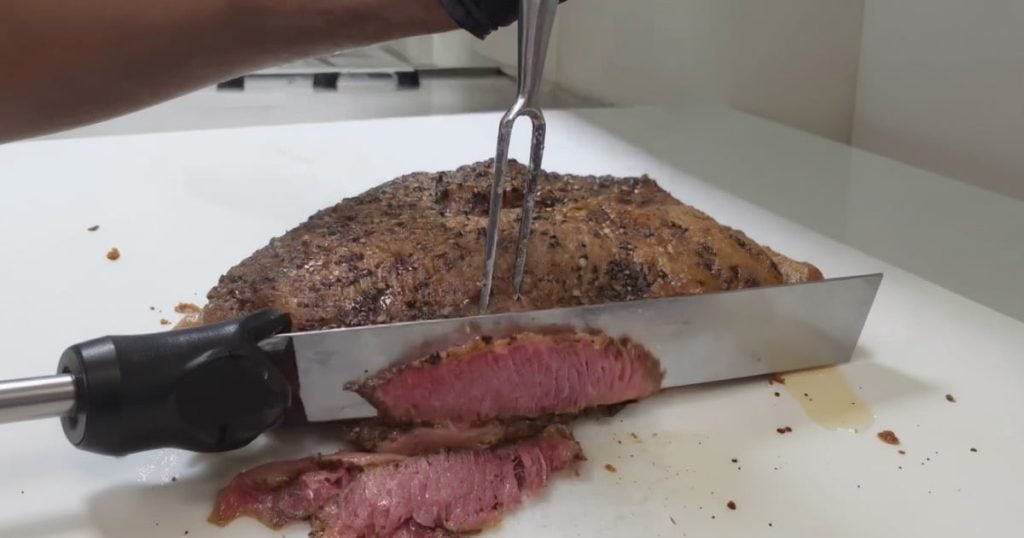
Slicing roast beef perfectly can be a challenge, especially if you want each piece to look and taste just right. If you’ve ever struggled with uneven cuts or tough slices, you’re not alone.
But here’s the good news: using a heavy duty slicer can change everything. Imagine serving your family or guests with consistently thin, tender slices that melt in their mouths. You’ll discover simple, step-by-step tips to master the art of slicing roast beef with your heavy duty slicer.
Get ready to impress everyone at the table with your skills!
Choosing The Right Slicer
A heavy duty slicer helps cut roast beef into thin, even slices. There are different types of slicers. Each type has its own benefits for slicing meat.
- Manual slicersrequire you to move the blade by hand. They are simple and often cheaper.
- Electric slicersuse a motor to spin the blade. These save time and effort.
- Commercial slicersare built for heavy use. They work well in restaurants and large kitchens.
Important features include:
| Feature | Why It Matters |
|---|---|
| Blade size | Larger blades slice bigger pieces quickly and smoothly. |
| Adjustable thickness | Lets you control slice thickness for different recipes. |
| Safety features | Prevents accidents during slicing. |
| Ease of cleaning | Helps keep slicer hygienic and ready to use. |

Credit: www.thehungrymouse.com
Preparing The Roast Beef
Start by chilling the roast beef to make slicing easier and cleaner. Hold the heavy-duty slicer steady and cut thin, even slices for the best texture and taste.
Chilling For Optimal Slicing
Keep roast beef in the fridge for a while. Cold meat is easier to slice. It stays firm when cold. Chill it for at least an hour. Use a container or wrap it well. This helps keep it fresh and cold. Cold beef will not slip or slide. It makes slicing safer and easier. You get neat and tidy slices.
Trimming Excess Fat
Fat can make slicing tricky. Remove extra fat before slicing. Use a sharp knife for this task. Trim the fat in a steady manner. Leave a little bit for flavor. This makes the meat easier to handle. Trim carefully to avoid wasting meat. Fat can make slices uneven. Neat slices look better and taste great.
Setting Up The Slicer
Set the slicer on a stable surface. Make sure it is clean and dry. Check the blade for sharpness and any damage before use.
Adjust the thickness knob to the desired slice size. Thinner slices cook faster and are easier to chew. Thicker slices hold more juice and flavor.
Test the setting by slicing a small piece first. Change the thickness if needed for uniform slices.
- Wear cut-resistant gloves for safety.
- Keep hands away from the blade at all times.
- Use the food pusher to hold the roast beef steady.
- Turn off and unplug the slicer when adjusting or cleaning.

Credit: www.reddit.com
Techniques For Slicing Roast Beef
Maintaining consistent thicknesshelps roast beef cook evenly and look nice. Use a heavy-duty slicer set to the same thickness. Keep your hand steady to avoid uneven slices. Thin slices are best for sandwiches; thicker slices work well for plates.
Slicing against the grainmakes the meat tender and easier to chew. Look for the lines of muscle fibers on the beef. Cut across these lines, not along them. This breaks the fibers, making each bite soft and juicy.
Cleaning And Maintenance
Disassembling the slicer requires care. Always unplug the machine first. Remove the blade guard and the blade with a screwdriver. Take off the carriage and tray carefully. This makes cleaning easier and safer.
Proper cleaning keeps the slicer working well. Use warm, soapy water for all parts. Avoid harsh chemicals that can damage the slicer. Dry all parts fully before putting them back. Clean the blade with a soft cloth only.
- Check the blade for sharpness regularly.
- Lubricate moving parts once a week.
- Tighten screws and bolts to keep parts secure.
- Inspect the power cord for damage.
- Store the slicer in a dry, clean place.
Troubleshooting Common Issues
Uneven slices often happen because the meat or slicer is not steady. Make sure the roast beef is firmly held in place. Check that the slicer moves smoothly without jerks. Slow down the slicing speed for better control. Keep the meat cold; warmer meat is harder to cut evenly.
Blade dullnesscauses tearing and uneven edges. Regularly sharpen the blade using the tool that comes with your slicer. Wipe the blade clean after each use to remove residue. Replace the blade if sharpening no longer helps. A sharp blade makes slicing easier and more precise.

Credit: www.reddit.com
Frequently Asked Questions
How Do I Prepare Roast Beef For Slicing?
Trim excess fat and let the beef rest after roasting. Chill it in the fridge to firm up. This makes slicing easier and cleaner with a heavy-duty slicer, ensuring even, thin slices every time.
What Settings Should I Use On A Heavy Duty Slicer?
Set the slicer blade to a thickness of 1/8 to 1/4 inch. Adjust speed to moderate for smooth, precise cuts. Always follow the slicer’s manual for optimal safety and performance.
How Do I Safely Use A Heavy Duty Slicer?
Keep hands clear of the blade and use the food pusher. Wear cut-resistant gloves for extra protection. Always turn off and unplug the slicer before cleaning or adjusting it.
Can I Slice Frozen Roast Beef With A Heavy Duty Slicer?
No, slicing frozen roast beef is not recommended. Thaw beef completely for even slices and to avoid damaging the blade. Proper thawing ensures better texture and safer slicing.
Conclusion
Slicing roast beef with a heavy duty slicer is simple and quick. Keep the blade sharp and steady for even cuts. Always use safety tools to protect your hands. Thin, uniform slices make your meal tastier and look better. Practice a few times to gain confidence and skill.
Enjoy fresh, perfect slices every time you prepare roast beef. This tool can save time and improve your cooking experience. Give it a try and see the difference yourself.