
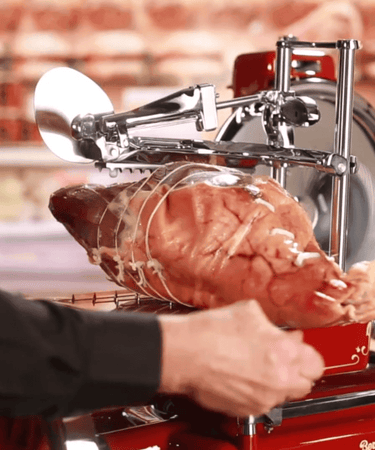
Slicing meat perfectly every time can be tricky, but with the Berkel slicer, you hold the power to make it easy and precise. Imagine serving thin, even slices that impress everyone at your table.
Whether you’re preparing a family meal or a special gathering, mastering your Berkel slicer will save you time and effort. You’ll discover simple steps and insider tips to slice like a pro. Ready to transform the way you cut meat?
Let’s dive in and unlock the full potential of your Berkel slicer.

Credit: www.theberkelworld.com
Choosing The Right Berkel Slicer
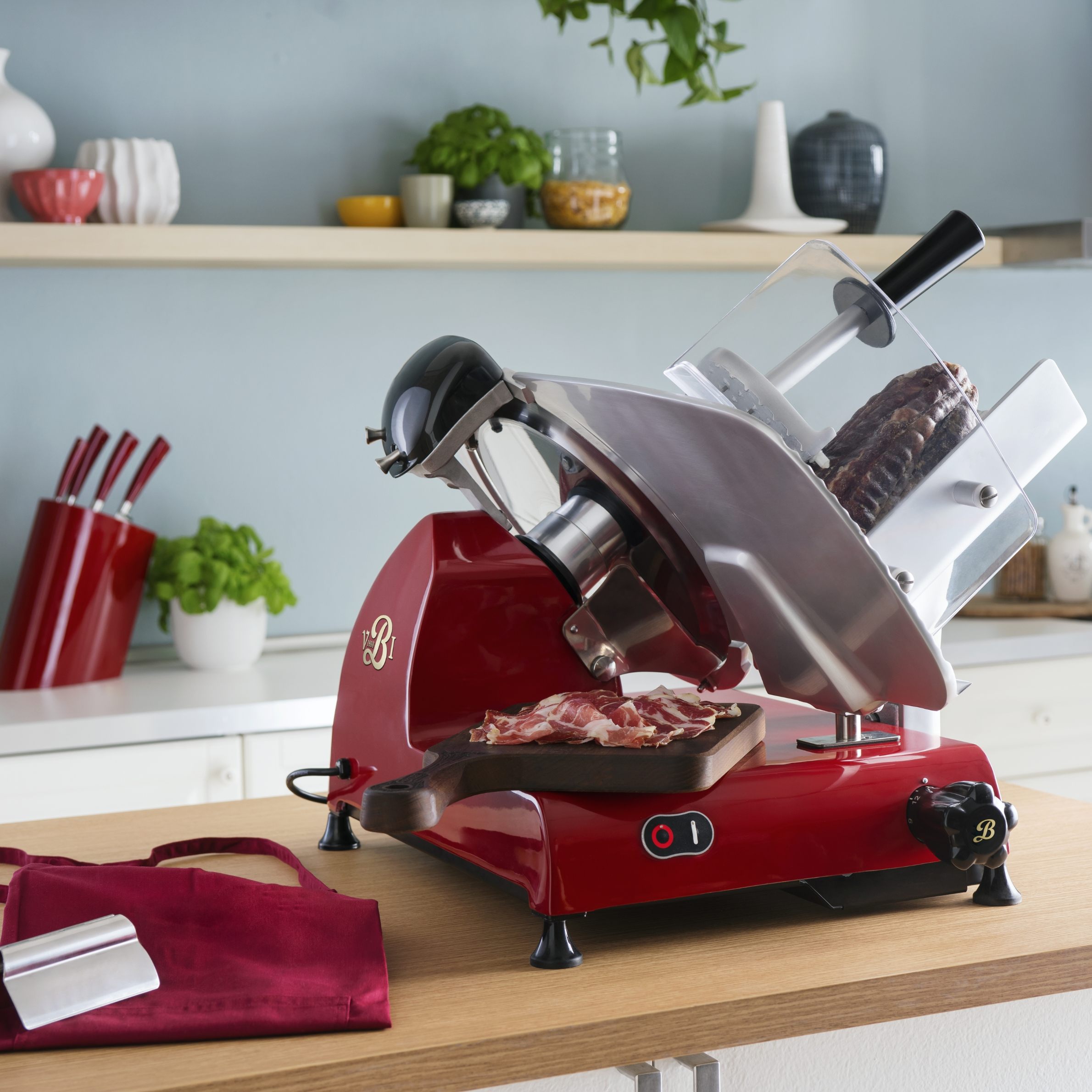
Berkel slicers come in manualand electrictypes. Manual slicers need hand power and give precise control. Electric slicers work faster and are best for large amounts of meat. Choose based on how often and how much you slice.
Blade size and type affect slicing quality. Common blades range from 7 to 14 inches. Larger blades slice big cuts easily. Smaller blades suit thin, delicate slices.
| Blade Type | Use | Maintenance Tips |
|---|---|---|
| Serrated | Cutting bread and tough meats | Sharpen regularly with a stone |
| Plain | Thin, smooth slices of ham or turkey | Clean after each use, sharpen monthly |
| Scalloped | Slicing deli meats and cheeses | Use a honing rod often |
Keep blades cleanand sharp. Always follow safety rules. A dull blade makes slicing hard and unsafe. Regular maintenance keeps your Berkel slicer working well for years.
Credit: www.theberkelworld.com
Preparing Meat For Slicing
Chill the meat before slicing. Cold meat is easier to slice. It keeps its shape better. Handle the meat with clean hands or use gloves. This keeps it safe to eat. Place the meat on a clean surface. Make sure it is stable. A stable piece will slice more evenly.
Trim off excess fat. This helps in making neat slices. Secure the meat on the slicer tray. Use a meat holder if available. This prevents slipping. Double-check the placement. A secure piece ensures safety. It also gives even slices every time.
Adjusting The Slicer Settings
The thickness controllets you choose how thin or thick slices will be. Turn the dial slowly to set the size. Small turns make thin slices, big turns make thick ones. Always check the thickness before starting to slice.
Speed and safety features are important for smooth operation. The speed controlhelps adjust how fast the blade moves. Slower speeds give better control for delicate cuts. Faster speeds work for tougher meats.
Safety features include a blade guard and a safety switch. The blade guardstops your fingers from touching the blade. The safety switchstops the slicer if it’s not used properly.
Techniques For Perfect Cuts
Proper hand positioningis key to safe and precise slicing. Always keep your fingers tuckedaway from the blade. Hold the meat firmly with your non-dominant hand. Use the slicer’s handle to guide the blade smoothly.
Maintaining a consistent slicing motionhelps create even cuts. Move the blade in a steady back-and-forth motion. Avoid pressing too hard; let the slicer do the work. Uniform slices cook and taste better.
Cleaning And Maintaining Your Slicer
Start by unplugging the Berkel slicer for safety. Use a soft cloth and warm soapy water to wipe all surfaces. Pay special attention to the blade and food carriage. Rinse the cloth often to avoid spreading germs. Dry all parts thoroughly with a clean towel to prevent rust. Remove crumbs and bits from hard-to-reach areas using a small brush. Clean the blade guard carefully without bending it. Avoid harsh chemicals that could damage the slicer’s finish.
Sharpening the blade keeps the slicer working smoothly. Use the built-in sharpener if your model has one. Hold the blade steady and run the sharpener across it evenly. Repeat the process a few times to restore a sharp edge. Always wear gloves during sharpening to protect your hands. Check the blade’s sharpness by slicing a thin piece of meat. If it cuts easily, the blade is ready.
Credit: www.theberkelworld.com
Troubleshooting Common Issues
Uneven slicesoften result from dull blades or incorrect thickness settings. Check the blade sharpness regularly and adjust the thickness knob to suit the meat type. Ensure the meat is firmly held in place to avoid slipping during slicing.
Machine jams occur when meat or fat gets stuck between moving parts. Clean the slicer thoroughly after each use to prevent buildup. Remove any stuck pieces carefully to avoid damaging the blade or motor.
| Issue | Cause | Solution |
|---|---|---|
| Uneven Slices | Dull blade, wrong thickness, loose meat | Sharpen blade, adjust thickness, secure meat |
| Machine Jams | Meat or fat stuck, buildup | Clean slicer, remove stuck pieces |
Frequently Asked Questions
How Do I Safely Operate A Berkel Slicer?
Always read the manual before use. Keep hands away from the blade. Use the food holder for slicing. Turn off and unplug after use.
What Type Of Meat Works Best With A Berkel Slicer?
Berkel slicers handle various meats well. They work best with firm, chilled meats. Avoid overly soft or frozen meats for clean slices.
How Do I Clean My Berkel Slicer Properly?
Unplug the slicer before cleaning. Remove the blade carefully. Use warm soapy water and a soft cloth. Dry all parts thoroughly to prevent rust.
Can I Adjust Slice Thickness On A Berkel Slicer?
Yes, Berkel slicers have a thickness adjustment knob. Turn it to set desired slice thickness. This allows precise control for different recipes.
Conclusion
Slicing meat with a Berkel slicer is simple and fast. Keep the blade sharp and clean for best results. Always use the safety guard to protect your hands. Adjust the thickness to match your recipe needs. Practice a few times to gain confidence.
This tool helps create even, thin slices every time. Enjoy preparing meals with ease and precision. Trust the Berkel slicer to improve your kitchen work.