

If you want to impress your guests and make your catering stand out, slicing meat the right way is key. How you cut your meat affects not just the look, but also the taste and texture.
Imagine serving perfectly sliced, tender pieces every time—your clients will notice the difference. You’ll discover simple techniques and insider tips to slice meat like a pro. Ready to elevate your catering skills and wow your audience? Keep reading to learn how to master this essential craft.
Credit: www.hardcorecarnivore.com
Essential Tools For Meat Slicing
A good knife is important for slicing meat. Chef’s knives are great for most cuts. A boning knife helps with tricky parts. Serrated knives work well for bread and soft meats. Knife handle should fit your hand comfortably. Blade material should be strong and durable. Choose a knife that feels balanced.
Meat slicer machines make cutting easier. Adjustable thickness lets you choose slice size. Always use the safety guard to protect your fingers. Keep the blade sharp for clean cuts. Clean the slicer after every use. Slicers save time when slicing a lot of meat.
Keep knives sharp for good performance. Use a sharpening stone for best results. Honing rods help maintain the edge. Wash and dry knives after use to prevent rust. Store knives in a knife block or on a magnetic strip. Regular care keeps your knives ready for slicing.
Preparing Meat For Slicing
Selecting the best cutsmeans choosing meat that is fresh and firm. Cuts with even thickness slice easily and cook evenly. Look for meat with a good color and little fat. Avoid cuts with bruises or odd smells.
Proper thawing and chillingkeep meat safe and easy to cut. Thaw meat slowly in the fridge, not at room temperature. Chill the meat after thawing to make slicing neater. Cold meat slices better and keeps shape well.
Trimming and cleaningmeans removing extra fat, silver skin, and tough parts. Use a sharp knife to make clean cuts. Clean the meat surface to remove any dirt or blood. This helps the slices look good and taste better.
Techniques For Slicing Different Meats
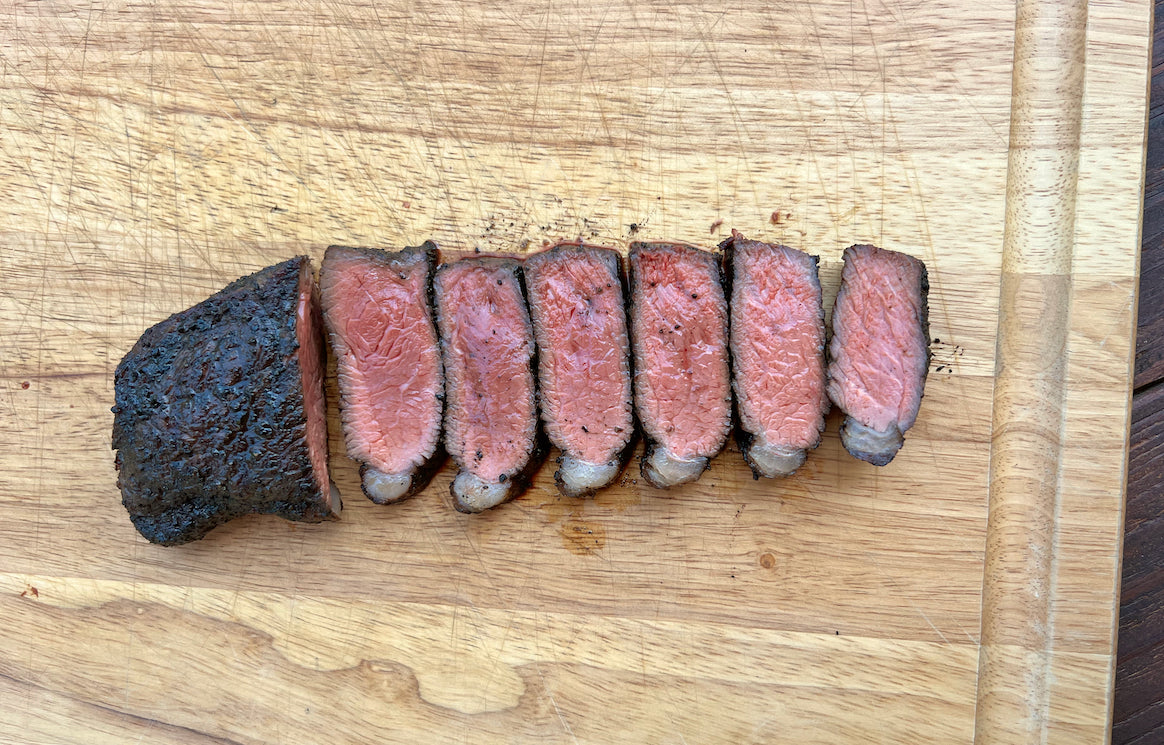
Different meats need different slicing techniques for best taste and texture. Cutting against the grain makes meat tender and easy to chew. Using a sharp knife helps create clean, even slices for a professional look.
Slicing Beef
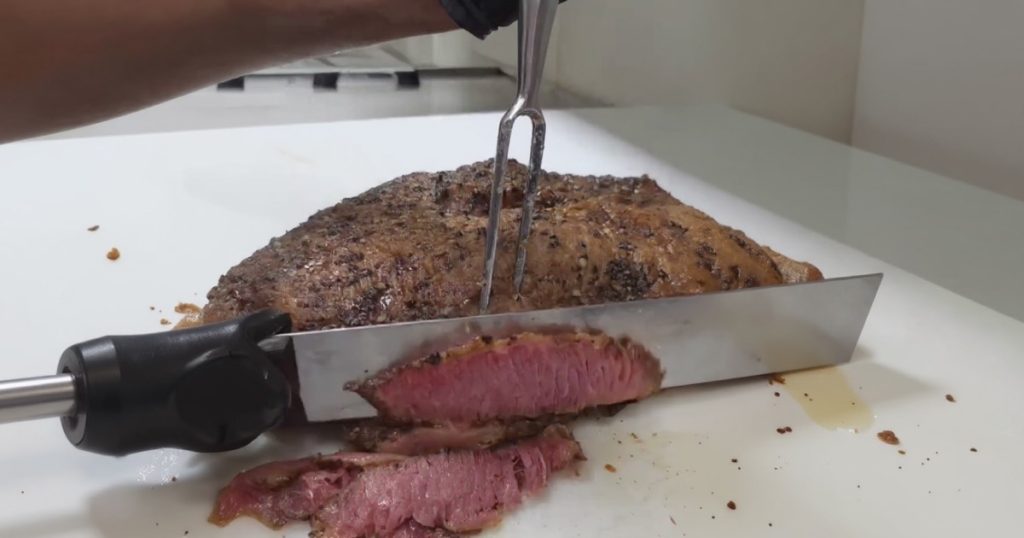
Cut across the grainto keep beef tender. Use a sharp knife. Slice thinly for steaks or thicker for roasts. Keep slices even for good cooking.
Slicing Pork
Let the meat rest before slicing. Slice against the grainto make pork easier to chew. Use smooth strokes for clean cuts. Thin slices work well for sandwiches.
Slicing Poultry
Remove skin if needed. Slice along the bones carefully. Use a sharp knifeto avoid tearing. Cut into pieces size for serving or recipes.
Slicing Game Meats
Game meats are leaner and tougher. Cut thin slicesagainst the grain. Use steady, gentle pressure. Keep the knife clean for best results.

Credit: www.youtube.com
Controlling Slice Thickness
Adjusting slice thicknesshelps make meat look nice and cook well. Thin slices work well for quick cooking and tender cuts. Thick slices keep juices inside and suit slow cooking. Pick the right thickness for the dish and presentation.
Uniform slicescook evenly. Uneven slices can cause some parts to burn or stay raw. Consistent thickness means every piece is done at the same time. This keeps food safe and tasty.
Using guides and markershelps keep slice size steady. Some use rulers or marked boards. Others use knives with adjustable blades. These tools save time and make cutting easier and more precise.
Safety Practices In Meat Slicing
Sharp tools need careful handling to avoid accidents. Always use a sharp knife for clean cuts and less force. Hold the knife firmly and cut away from your body. Use a stable cutting board to keep meat steady. Keep fingers clear of the blade’s path. Store knives safely when not in use to prevent injuries.
Clean hands and tools stop germs from spreading. Wash hands with soap before and after handling meat. Sanitize knives and boards often during use. Use hot, soapy water to clean all surfaces. Dry tools well to prevent bacteria growth.
Use separate cutting boards for raw meat and other foods. Keep raw meat away from cooked or ready-to-eat items. Store meat in sealed containers to avoid drips. Change gloves if they touch raw meat and other food. These steps help keep food safe and fresh.
Storing And Presenting Sliced Meat
Packaging for Freshnessneeds airtight containers or vacuum-sealed bags. This keeps meat moist and stops air from spoiling it. Use clean, food-safe materials. Store sliced meat in the fridge at the right temperature. Label packages with date and type of meat to track freshness.
Arranging for Catering Displaysrequires neat, even slices placed on clean trays. Use garnishes like herbs or lemon slices for a fresh look. Separate different meats to avoid mixing flavors. Keep the display cool and covered to keep meat fresh and safe.
Transporting Sliced Meat Safelymeans using insulated coolers or boxes with ice packs. Avoid direct sunlight or heat during transport. Check the temperature often to keep meat cold. Handle packages gently to prevent slices from breaking or falling apart.
Credit: dunnsfamous.com
Frequently Asked Questions
How Do You Slice Meat For Professional Catering?
Slice meat against the grain to ensure tenderness. Use a sharp knife for clean cuts. Maintain consistent thickness for even cooking and presentation.
What Knives Are Best For Slicing Meat Professionally?
Use a long, sharp carving or slicing knife. A flexible blade helps with thin, precise slices. Keep knives well-maintained and sharpened for safety and efficiency.
How Thick Should Meat Slices Be For Catering Events?
Aim for slices about 1/8 to 1/4 inch thick. Thickness depends on meat type and dish style. Uniform slices ensure better presentation and consistent portion sizes.
Why Is Slicing Meat Against The Grain Important?
Slicing against the grain shortens muscle fibers. This makes the meat more tender and easier to chew. It also enhances the overall eating experience for guests.
Conclusion
Slicing meat well makes a big difference in catering quality. Use a sharp knife and steady hands for best results. Cut against the grain to keep meat tender. Thin, even slices cook and serve better. Practice often to improve your skill and speed.
Remember, clean cuts look nicer on the plate. Good slicing helps your dishes taste great and impress guests. Keep these tips in mind for every catering event. Success comes with care and attention to detail.