
Slicing meat the right way can transform your meal prep from a chore into a simple, enjoyable task. When you know how to slice meat properly, you save time, cook more evenly, and make every bite tender and delicious.
Imagine opening your fridge to perfectly portioned, ready-to-cook meat that fits your meals and your schedule. You’ll discover easy tips and techniques that anyone can master. Keep reading to unlock the secret to slicing meat like a pro and make your meal prep faster, smarter, and tastier.
Choosing The Right Cut
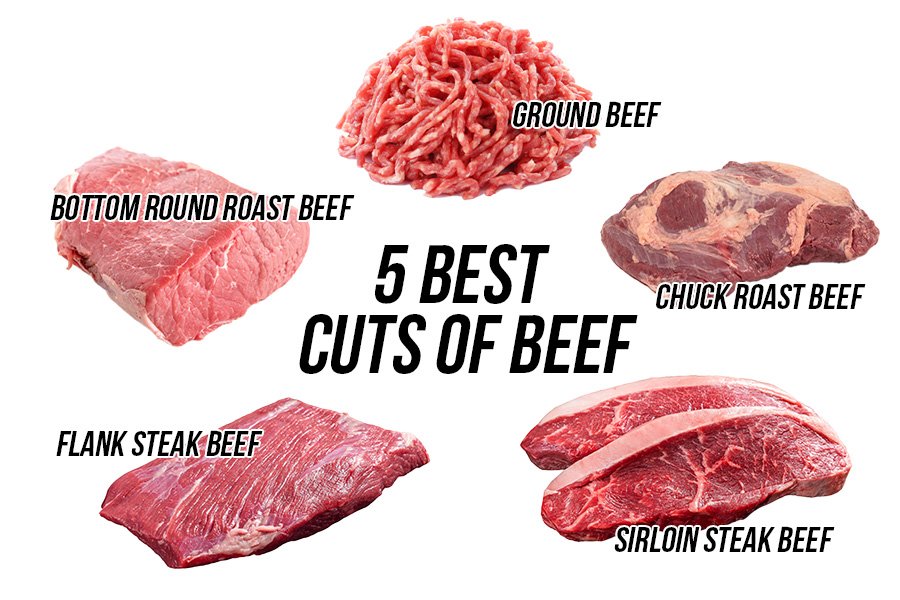
Choosing the right cut of meat is key for easy and neat slicing. Cuts with less fat and fewer connective tissuesslice more smoothly. Look for cuts that are firm and lean, like sirloin or tenderloin. These cuts hold their shape well during slicing.
Below is a table showing some of the best cuts for slicingand their qualities:
| Cut | Texture | Best Use |
|---|---|---|
| Sirloin | Firm, lean | Stir-fry, sandwiches |
| Tenderloin | Soft, tender | Grilling, quick cooking |
| Flank | Lean, fibrous | Thin slicing, salads |
| Ribeye | Marbled, juicy | Steak, roasting |
Factors like meat temperatureaffect slice quality. Cold meat slices better and keeps shape. Sharp knives make cleaner cuts and safer slicing. Always cut against the grainto get tender slices. Thicker slices need more force but keep juiciness. Thin slices cook faster and are great for quick meals.
Essential Tools
A sharp knife and a sturdy cutting board are vital for slicing meat evenly. A meat thermometer helps check doneness, ensuring safe meal prep.
Knives And Their Uses
Having the right knife is important for slicing meat. A chef’s knife is great for most meats. It has a wide and strong blade. For thinner slices, use a slicing knife. Its long, narrow blade helps in precision cuts. A boning knife is useful for removing bones. It has a flexible blade to reach difficult spots. Remember to keep knives sharp. Sharp knives make slicing easier and safer.
Cutting Boards And Accessories
Use a sturdy cutting board for slicing meat. Wooden boards are gentle on knife blades. Plastic boards are easy to clean and hygienic. Choose a board that is large enough for your meat. Non-slip mats under the board help keep it steady. Having a meat tenderizer can help too. It makes meat softer and easier to slice. Always clean boards and tools after use to keep them safe.
Preparing Meat For Slicing
Chilling meat makes slicing easier and safer. Cold meat holds its shape better, allowing for clean, even cuts. Freeze the meat for 15-30 minutes before slicing. Do not freeze fully solid; it should be firm but still soft enough to cut.
Trimming removes fat, skin, and unwanted parts. Use a sharp knife for clean cuts. Trim away silver skin and excess fat to improve texture and taste. Clean the meat by rinsing with cold water and patting dry with paper towels. This helps remove any surface dirt.

Credit: www.wikihow.com
Slicing Techniques
Cut meat against the grain to keep it tender and easy to chew. Use a sharp knife and steady hands for clean, even slices. Thin slices cook faster and fit well in meal prep containers.
Cutting Against The Grain
Cutting against the grainmeans slicing meat perpendicular to the muscle fibers. This makes the meat more tenderand easier to chew. Look for the lines or fibers in the meat. Slice across these lines, not along them. This helps break the muscle fibers and improves texture.
Maintaining Consistent Thickness
Keeping slices even in thicknesshelps meat cook uniformly. Use a sharp knife for clean cuts. Try to cut pieces about the same size. Thin slices cook faster, while thicker ones stay juicy longer. Consistency is key for meal prep and serving.
Safety Tips
Ensure sharp knives to prevent accidents while slicing meat. Slice against the grain for tenderness. Keep fingers tucked to avoid cuts.
Proper Knife Handling
Always hold the knife firmly by the handle. Keep your fingers away from the blade. Use a sharp knife to cut meat easily and safely. Cut on a stable surface like a cutting board. Avoid cutting towards your hand. Store knives safely to prevent accidents.
Sanitation Practices
- Wash hands with soap before and after handling meat.
- Clean knives and cutting boards with hot, soapy water.
- Use separate cutting boards for raw meat and other foods.
- Keep meat refrigerated until ready to slice.
- Sanitize surfaces to stop bacteria spread.

Credit: www.amazon.sg
Storing Sliced Meat
Packaging sliced meatproperly helps keep it fresh longer. Use airtight containers or resealable plastic bags. Press out as much air as possible before sealing. Wrap slices in wax paper to prevent sticking if needed. Store meat in the coldest part of the fridge, usually the bottom shelf.
Freezing sliced meat extends its shelf life. Wrap slices tightly in plastic wrap or foil before placing in freezer bags. Label the bags with the date. Thaw meat slowly in the fridge for best texture and taste. Avoid thawing at room temperature to reduce bacteria risk.
Common Mistakes To Avoid
Using a dull knifemakes slicing difficult and unsafe. Always use a sharp knife for clean cuts.
Slicing meat while it is warmcan cause uneven pieces. Chill the meat first for firm slices.
Cutting against the grainleads to tough meat. Slice with the grainto keep it tender.
Not trimming fat or silver skinmay affect taste and texture. Remove these before slicing.
Inconsistent slice thicknesscauses uneven cooking. Try to keep slices the same size.
- Use a stable cutting board to avoid slipping.
- Keep your fingers away from the blade for safety.
- Clean your knife and board between uses.
Meal Prep Ideas With Sliced Meat
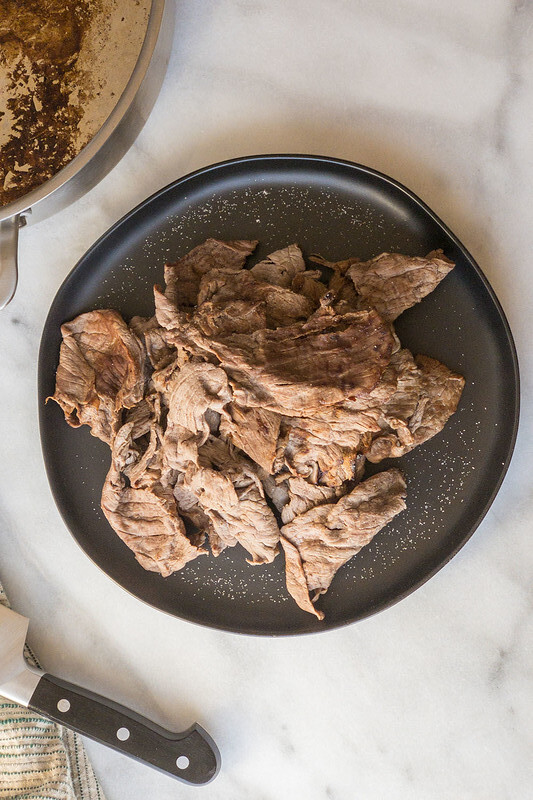
Sliced meat makes meal prep fast and easy. Use thin slices for quick cooking and better flavor. Choose lean cuts like chicken breast, beef sirloin, or pork loin. Slice against the grain to keep meat tender.
- Stir-fry sliced meat with vegetables and sauce for a quick meal.
- Make wraps or sandwiches using sliced turkey or roast beef.
- Add sliced meat to salads for extra protein and taste.
For storage-friendly meals, pack sliced meat separately from sauces. Use airtight containers to keep meat fresh up to 4 days in the fridge. Freeze sliced meat for longer storage, but thaw in the fridge.
Credit: tasty-yummies.com
Frequently Asked Questions
How Do I Choose The Best Knife For Slicing Meat?
Choose a sharp, long, and flexible slicing knife. It ensures smooth, even cuts. A dull knife tears meat fibers. Proper knives improve safety and precision during meal prep.
What Is The Ideal Meat Thickness For Meal Prep Slices?
Slice meat between ¼ to ½ inch thick. This thickness cooks evenly and stores well. It balances tenderness and portion control for easy reheating and serving.
Should I Slice Meat Before Or After Cooking?
Slice meat after cooking for easier cutting. Cooked meat holds its shape better. Slicing after cooking preserves juices and flavor. It also allows precise portioning for meal prep.
How Can I Keep Meat Slices Tender And Juicy?
Slice against the grain to break muscle fibers. This results in tender, easy-to-chew pieces. Avoid slicing too thick or thin for moisture retention. Rest meat before slicing to keep juices inside.
Conclusion
Slicing meat thinly helps cook meals faster and taste better. Use a sharp knife and cut against the grain for tenderness. Keep your cuts even for consistent cooking. Practice makes the process easier and quicker each time. Preparing meat this way saves time during busy days.
Enjoy your meals with perfectly sliced meat every time. Simple steps lead to great results in meal prep. Try these tips and see the difference yourself.