
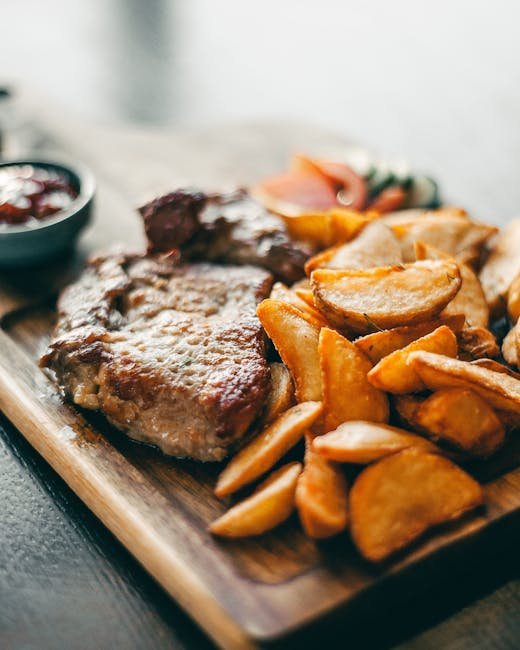
Slicing a large roast beef perfectly can feel tricky, but it doesn’t have to be. You want those tender, juicy slices that melt in your mouth, right?
Whether you’re preparing for a family dinner or meal prepping for the week, knowing the right technique will make all the difference. In this guide, you’ll discover simple tips and tricks that help you slice your roast beef like a pro every time.
Keep reading to unlock the secret to juicy, evenly cut slices that will impress everyone at your table.
Choosing The Right Roast
Choosing the right roastis key for easy slicing. Some cuts work better than others. They have less fat and a good grain.
- Top Round– Lean, firm texture, easy to slice thin.
- Sirloin Tip– Tender with good flavor, slices well.
- Eye of Round– Very lean, best for thin slices.
- Ribeye Roast– Juicy and flavorful, but fattier.
Size and weightmatter too. A roast around 3 to 5 pounds is easier to handle. Larger roasts need a sharp knife and steady hands. Smaller roasts cook faster and are simpler to slice evenly.

Credit: www.kitchenparade.com
Tools You Need
A sharp knife is your best friend. It slices beef cleanly. Dull knives can tear meat. Choose a carving knife or chef’s knife. These are often the best. Keep knives sharp. Use a sharpening stone or a knife sharpener. This helps in easy cutting. Safety is very important. Sharp knives are safer than dull ones.
Use a sturdy cutting board. It must be large enough. It should hold the roast beef securely. Wooden boards are nice. They keep the knife sharp. Plastic boards are easy to clean. Choose a board with a groove. It catches the juices. This keeps your table clean.
A carving fork helps hold the roast steady. It has long prongs. This makes it easy to handle the meat. Use it to keep the roast still. It prevents slipping. Choose a fork with a comfortable handle. This makes it easier to grip. A carving fork is very useful.
Preparing The Roast
Let the roast beef rest for at least 15 minutes after cooking. This allows the juices to settle inside, making the meat juicyand tender. Cutting immediately can cause the juices to leak out, leaving dry slices.
Trim away any excess fatbefore slicing. A thin layer of fat can add flavor, but thick fat can be tough to eat. Use a sharp knife to carefully remove the large chunks of fat without cutting into the meat.

Credit: spinachtiger.com
Slicing Techniques
Cutting against the grainmeans slicing the meat perpendicular to the muscle fibers. This makes the beef more tender and easier to chew. Look closely to spot the grain direction before slicing.
- Consistent thicknesshelps the roast cook evenly and look neat on the plate.
- Try to keep slices about the same size, around ¼ inch thick.
- This also helps with portion control and better presentation.
Angle and pressure tipsare important for clean cuts. Hold the knife at a slight angle to the meat. Use smooth, steady pressure. Avoid sawing back and forth to keep slices intact.
Serving Suggestions
Present the roast beef on a warm platterto keep it juicy. Arrange slices neatly in a fan shape for a lovely look. Garnish with fresh herbs like rosemary or thyme to add color and aroma. Serve with a side of roasted vegetables or mashed potatoes for a complete meal.
Pairing sauces bring out the beef’s rich flavor.Classic choices include horseradish sauce, mustard, and red wine gravy. Creamy peppercorn or mushroom sauces also complement the meat well. Offer small bowls of each sauce so guests can choose their favorite.
Storing And Reheating Leftovers
Store roast beefin an airtight container or wrap it tightly with foil. This keeps it fresh and stops it from drying out. Place the wrapped beef in the fridge within two hours after cooking. It can last up to 4 daysin the fridge.
For longer storage, freeze the beef. Wrap it well in plastic wrap and aluminum foil. Label it with the date. Frozen roast beef stays good for 2 to 3 months.
Reheat roast beefgently to keep it juicy. Use low heat on the stove or in the oven. Adding a splash of broth or water helps keep moisture. Cover the beef while heating to trap steam.
- Microwave on low power to avoid drying.
- Slice thinly before reheating for even warmth.
- Serve immediately after reheating for best taste.
:max_bytes(150000):strip_icc()/Simply-Recipes-Classic-Roast-Beef-LEAD-3-6c0385e174c1435b8d14dffaae6c1ae0.jpg)
Credit: www.simplyrecipes.com
Frequently Asked Questions
How Do You Slice A Large Roast Beef Evenly?
Use a sharp carving knife and slice against the grain. Cut thin, uniform slices for tenderness and better texture. Keep the roast steady and use smooth, consistent strokes to ensure even cuts every time.
What Is The Best Temperature For Slicing Roast Beef?
Let the roast beef rest and cool to around 120°F before slicing. This helps retain juices and makes slicing easier. Warm beef can be too soft, causing uneven slices and loss of flavor.
Should I Slice Roast Beef Before Or After Resting?
Always rest roast beef for at least 15 minutes before slicing. Resting allows juices to redistribute, making meat moist and easier to cut. Slicing too early causes juice loss and dry, tough meat.
How Thick Should Roast Beef Slices Be?
Slice roast beef about 1/4 inch thick for sandwiches or salads. Thinner slices are tender and easier to chew. Adjust thickness based on your recipe or personal preference for best results.
Conclusion
Slicing large roast beef can be simple and satisfying. Use a sharp knife and cut against the grain. Thin, even slices taste best and stay tender. Take your time and keep your hands steady. Enjoy your roast beef in sandwiches, salads, or on its own.
Practice these steps to improve your slicing skills. Great slices make every meal better. Keep these tips in mind for your next roast beef dinner.