
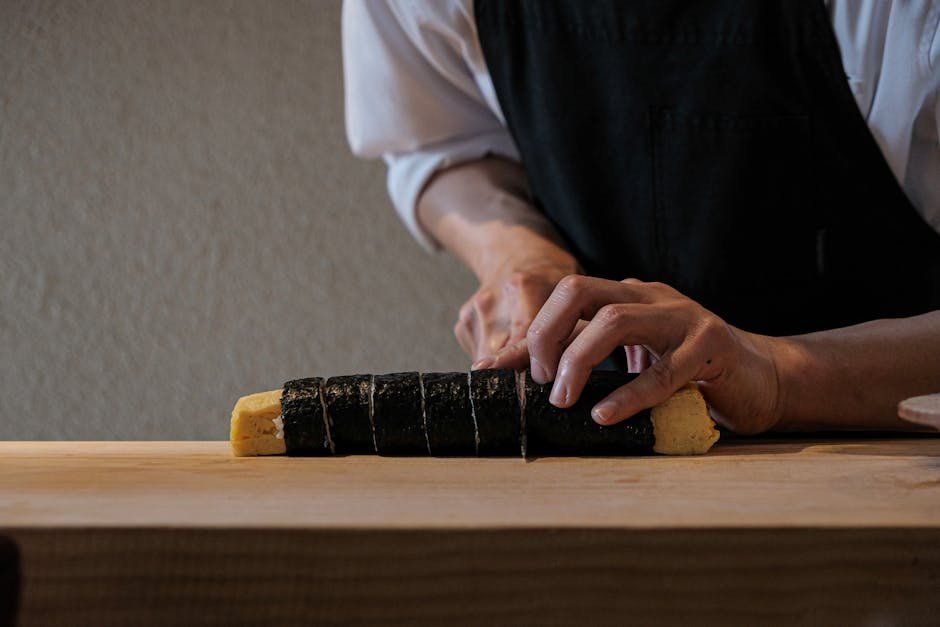
Slicing large portions can feel tricky and even risky if you’re not careful. You want to cut your food evenly without accidentally hurting yourself or wasting any of it.
Imagine preparing a big roast or a huge cake and wondering how to make perfect slices every time. What if there was a simple way to do this that keeps your fingers safe and your cuts clean? You’ll discover easy, practical tips to slice large portions safely and confidently.
Keep reading to learn how to protect yourself while making your food look just as delicious as it tastes.
Choosing The Right Knife
For large portions, choose a chef’s knife. It has a broad blade. A carving knifeis good for cooked meat. It has a long, thin blade. A cleavercan slice through bones. It’s big and heavy.
Blades come in different materials. Stainless steelis common. It doesn’t rust. Carbon steelstays sharp longer. It needs care. Keep the blade sharp. Use a sharpening stoneor tool. A sharp knife cuts better. It is also safer.
- Wash the knife by hand. Avoid dishwashers.
- Dry it well. Store it safely.
- Sharpen the knife often. Dull knives are dangerous.
- Use a cutting board. It protects the blade.
Credit: www.bhf.org.uk
Preparing Your Workspace
Use a stable cutting surfacelike a heavy wooden board or a sturdy plastic one. This helps keep the item steady and reduces slipping risk. Place a damp cloth underneath the board to stop it from moving.
Ensure your workspace has proper lighting. Bright light helps you see the edges clearly. Avoid shadows that can hide parts of the food or knife.
- Keep all knives and tools within reach but not cluttered.
- Organize ingredients so you can grab them easily while cutting.
- Clear away unnecessary items to avoid accidents.
Safety Gear And Precautions
Cut-resistant glovesprotect hands from sharp blades. They reduce the chance of cuts and injuries while slicing. Always wear gloves that fit well and cover fingers completely.
Securing the foodstops it from slipping. Use a stable cutting board and hold the food firmly. If needed, place a damp cloth under the board to prevent movement.
Safe hand positioningmeans keeping fingers curled and away from the blade. Use a claw grip to hold the food. This keeps fingertips safe and gives better control over slicing.

Credit: brownetrading.com
Techniques For Precision Cuts
Proper gripon the knife ensures control and safety. Hold the handle firmly with your dominant hand. Place your other hand on the food, curling fingers inward to protect them. This grip helps prevent slips and accidents.
Guided cutting methodsinclude using a cutting board with a non-slip base. Use your knuckles as a guide for the knife blade. This technique keeps the blade steady and helps make straight cuts.
Maintaining consistent slice thicknessimproves cooking evenness. Move the knife in smooth, steady motions. Use the same angle and pressure for each cut. This helps food cook uniformly and look neat.
Handling Different Food Types
Slicing meatsneeds a sharp knife and steady hand. Use a cutting board that won’t slip. Keep the meat steady with your fingers curled inward. Cut thin slices against the grain to make meat tender. Avoid pressing too hard; let the knife do the work. Always cut away from your body for safety.
Cutting large vegetablesrequires a firm grip and stable surface. Start by trimming the ends to create flat sides. This keeps the vegetable from rolling. Use a chef’s knife for control and power. Cut vegetables into manageable pieces before slicing thinly. Take your time to avoid accidents.
Dealing with breads and cakescalls for a serrated knife. Saw gently back and forth to prevent squashing. Hold the loaf or cake firmly but gently. For cakes, use a clean knife for each slice to keep edges neat. Slice slowly to keep pieces even and avoid crumbs.

Credit: www.threads.com
Cleaning And Storing Knives Safely
Cleaning knives properly stops germs from spreading. Use warm water and mild soap. Scrub gently with a soft sponge. Avoid harsh scrubbing to protect the blade. Rinse knives well to remove soap. Dry knives immediately with a clean cloth to stop rust.
Store knives safely to protect both blade and users. Use a knife block, magnetic strip, or sheath. Keep knives separated to avoid dulling or damage. Never toss knives loosely into drawers. Store them out of children’s reach.
| Inspection Task | What to Check | Why It Matters |
|---|---|---|
| Blade Sharpness | Look for dull or nicked edges | Dull blades need more force and cause accidents |
| Handle Condition | Check for cracks or loose parts | Loose handles reduce control and safety |
| Cleanliness | Ensure no food or rust build-up | Clean knives prevent bacteria and keep sharpness |
Frequently Asked Questions
How Can I Safely Hold Large Portions While Slicing?
Use a claw grip to secure the food. Keep fingertips tucked under and use your knuckles as a guide. This prevents cuts and improves control when slicing large portions.
What Knife Is Best For Slicing Large Portions?
A sharp chef’s knife or slicing knife is ideal. These knives offer better control and clean cuts. Avoid dull knives as they increase the risk of accidents.
How Should I Position The Cutting Board?
Place the cutting board on a stable, non-slip surface. Use a damp cloth underneath to prevent movement. Proper positioning ensures safety and precision when slicing large portions.
What Are Key Safety Tips For Slicing Large Portions?
Keep your knife sharp, use proper grip, and cut slowly. Always focus on the task and avoid distractions. These habits reduce injury risks and improve slicing accuracy.
Conclusion
Slicing large portions safely takes practice and the right tools. Always use a sharp knife and a steady cutting board. Keep your fingers clear and cut slowly. Take your time to avoid accidents. These simple steps help protect your hands and make slicing easier.
Stay calm and focused during the process. Safety comes first, no matter the size of the portion. With patience, you will slice like a pro. Safe cutting leads to better meals and less waste. Keep these tips in mind every time you slice.