
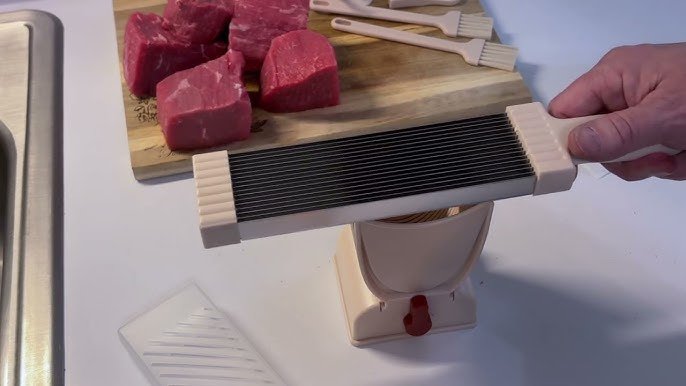
If you love jerky, you know that slicing it just right can make all the difference. But cutting jerky by hand can be tough, uneven, and time-consuming.
That’s where a heavy duty slicer comes in. With the right tool and technique, you can slice your jerky quickly, safely, and perfectly every time. In this guide, you’ll discover simple steps to master slicing jerky with a heavy duty slicer—so your snacks look professional and taste even better.
Ready to make your jerky slicing easier and more precise? Let’s dive in.
Choosing The Right Slicer
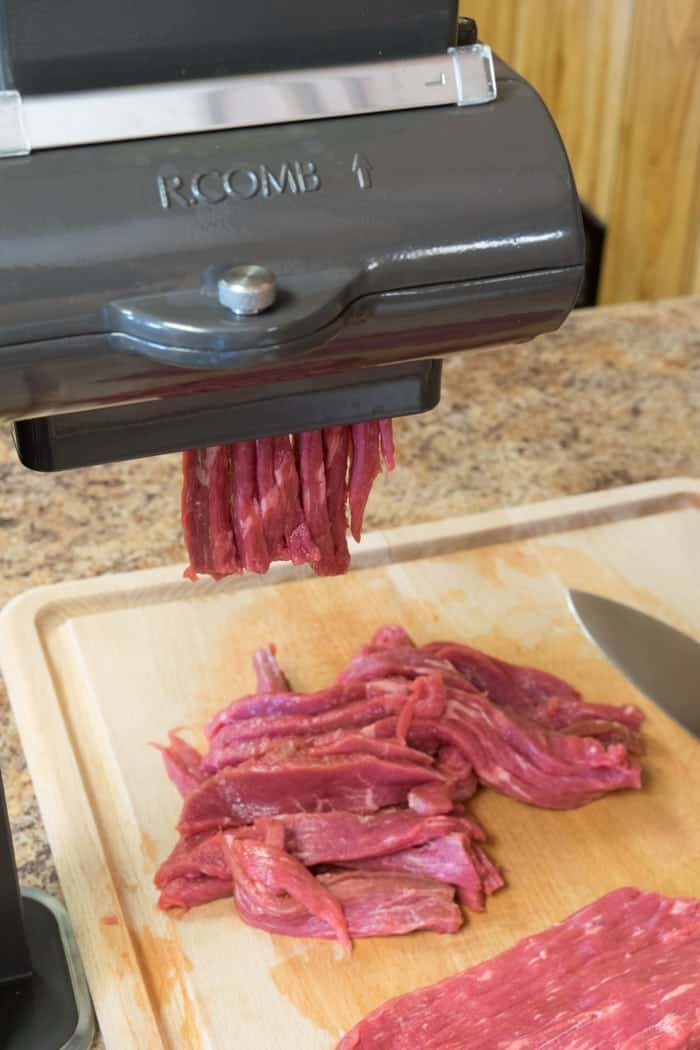
Heavy duty slicers come in different types. Choose one that fits your needs and budget. Common types include manual slicersand electric slicers. Manual slicers require effort but are usually cheaper. Electric slicers save time and provide consistent cuts.
Blade size and material matter a lot. Sharp, stainless steel blades are best for slicing jerky thinly and evenly. Thicker blades cut tougher jerky better but may not slice thin.
| Blade Type | Best For | Notes |
|---|---|---|
| Stainless Steel | Thin, clean cuts | Resists rust, stays sharp |
| Carbon Steel | Heavy use | Needs more maintenance |
Safety features are very important. Look for slicers with blade guardsand non-slip feet. A safety lock helps prevent accidents. Always handle slicers carefully to avoid injury.
Credit: www.jerkyholic.com
Preparing Jerky For Slicing
Set the slicer thickness to about 1/8 to 1/4 inchfor the best jerky slices. Thinner slices cook faster and taste better. Thicker slices take longer to dry and may be chewier. Adjust the slicer based on your preference.
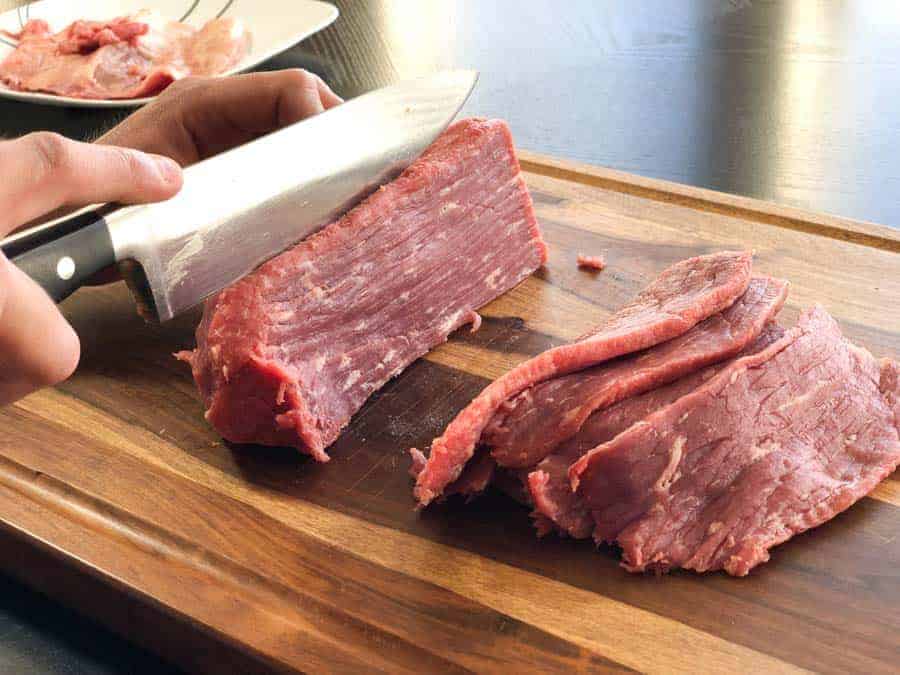
Chill the jerky in the refrigerator for at least 1 hourbefore slicing. Cold jerky slices cleanly and holds its shape better. Avoid slicing warm jerky because it can tear or stick to the blade.
Trim any uneven edgesor fat spots before slicing. Clean pieces ensure uniform slices and better texture. Use a sharp knife to remove unwanted parts carefully.
Slicing Techniques
Adjust the slicer to control the thickness of each jerky slice. Thinner slices cook faster and become crispier. Thicker slices stay chewy and juicy. Find the right thickness based on your taste preference.
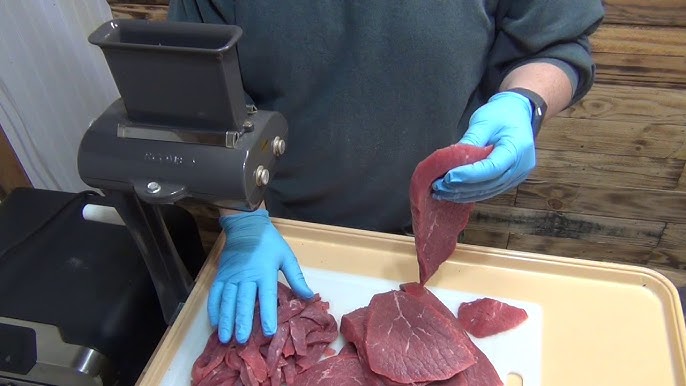
Keep the jerky steady while slicing to get even cuts. Use slow, smooth motions to avoid jagged edges. Sharp blades help slice cleanly and reduce effort. Clean the blade often to stop jerky from sticking.
- Do not rush the slicing process.
- Keep hands clear of the blade at all times.
- Avoid forcing the slicer; let the blade do the work.
- Check the slicer settings before each use.
- Store jerky properly after slicing to keep it fresh.
Credit: m.youtube.com
Maintenance And Cleaning
Keep the blade sharpfor smooth, clean jerky cuts. Use a sharpening stone or tool made for slicer blades. Sharpen the blade regularly to avoid dullness and uneven slices.
Clean the slicer right after use. Remove any leftover meat or juice to stop bacteria growth. Use warm soapy water and a soft cloth to wipe the blade and other parts. Dry everything well before storing.
Store the slicer in a dry place to prevent rust. Cover the blade with a guard or cloth to keep it safe. Avoid leaving the slicer in damp or humid areas. Regular cleaning and proper storage help the slicer last longer.
Troubleshooting Common Issues
Uneven slicesoften happen if the blade is dull or dirty. Clean the blade well and sharpen it regularly. Adjust the slicer thickness settings for better control. Firmly hold the jerky to keep it steady while slicing. Slow, steady pressure helps to get even slices.
Tough or sticky jerkycan jam the slicer. Lightly oil the blade for smoother cuts. Chill the jerky before slicing; cold jerky is easier to cut. Use a gentle back-and-forth motion to avoid tearing the meat. Clean the slicer often to stop sticky buildup.
| Equipment Malfunction | Solution |
|---|---|
| Slicer won’t start | Check power supply and switch. Ensure slicer is plugged in properly. |
| Blade not spinning | Inspect blade for jams. Remove any stuck jerky pieces. |
| Uneven blade movement | Lubricate moving parts. Tighten loose screws and bolts. |
Credit: www.jerkyholic.com
Frequently Asked Questions
How Do I Prepare Jerky For Slicing?
Trim excess fat and partially freeze jerky for firm slicing. This prevents tearing and ensures smooth, even cuts with your heavy-duty slicer.
What Thickness Is Best For Jerky Slices?
Slice jerky between 1/8 to 1/4 inch thickness. This thickness balances chewiness and flavor, providing an ideal texture for eating or packaging.
How To Maintain A Heavy-duty Slicer For Jerky?
Clean blades after each use and lubricate moving parts regularly. Proper maintenance prevents dullness and ensures safe, efficient slicing of jerky every time.
Can I Slice Frozen Jerky With A Heavy-duty Slicer?
Yes, partially freezing jerky firms it up for cleaner slices. Avoid fully frozen jerky to prevent blade damage or uneven cuts.
Conclusion
Slicing jerky with a heavy duty slicer is simple and fast. Always keep the blade sharp for clean cuts. Use steady hands to control the thickness easily. Clean the slicer after each use to keep it safe. Practice a few times to get the best results.
Enjoy fresh, evenly sliced jerky every time you prepare it. This tool makes jerky preparation easier and more precise. Try these steps and see the difference yourself.