
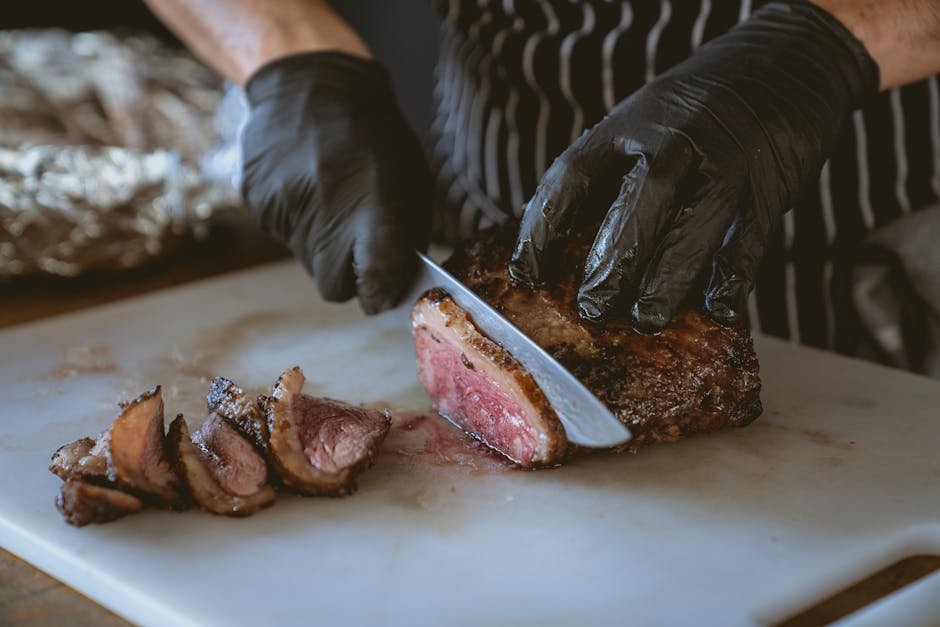
Slicing frozen meat can be tricky, but with the right tool, it becomes simple and precise. If you have a Berkel slicer, you’re already one step ahead.
This powerful machine is designed to give you clean, even slices every time—no matter how tough the meat is. You’ll discover easy steps to slice your frozen meat safely and efficiently, saving you time and effort in the kitchen. Ready to master your Berkel slicer and make your meal prep smoother?
Keep reading to learn how.

Credit: www.amazon.ca
Preparing The Berkel Slicer
Ensure the Berkel slicer is clean and sharp before use. Adjust the thickness dial for even slices. Secure the frozen meat firmly on the carriage to prevent slipping.
Cleaning And Maintenance
Keep the Berkel slicer clean for safe, smooth operation. Wipe all parts with a damp cloth. Avoid water on the motor and electrical parts. Use a food-safe cleaner for the blade and surfaces. Dry all components completely to stop rust. Regular cleaning helps the slicer last longer and work better. Check the blade for sharpness. Dull blades cut poorly and can be dangerous.
Adjusting The Blade Settings
Set the blade thickness before slicing frozen meat. Turn the adjustment knob slowly to the desired thickness. Start with a thicker slice to test the slicer. Adjust down for thinner slices if needed. Make small changes to avoid damage. Confirm the blade is tight and secure. Loose blades can cause uneven cuts and accidents. Always handle the blade with care to stay safe.
Handling Frozen Meat Safely
Not all meat cuts are the same. Some are better for slicing. Thin cuts are ideal for slicers. They are easier to handle. Thicker cuts might need more time. Ensure the meat is firm but not too hard. It should be slightly thawed. This helps in smooth slicing. Always check the meat’s texture.
Thawing is key before slicing. Partial thawing is best for safety. It keeps the meat firm. Never thaw meat at room temperature. It can spoil quickly. Use a fridge for slow thawing. Or, use a microwave for quick thawing. Keep an eye on the time. Proper thawing prevents bacteria growth.
Techniques For Slicing Frozen Meat
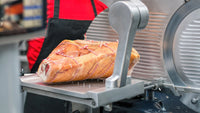
Slicing frozen meat with a Berkel slicer needs careful blade anglecontrol. Set the blade at a shallow angleto cut smoothly through the meat. A steep angle may cause tearing or uneven slices.
Apply steady, even pressureto avoid damaging the blade or the meat. Too much force can break the blade or crush the meat. Too little pressure leads to uneven slices.
Control the slice thicknessby adjusting the slicer’s thickness knob. Thinner slices cook faster and are good for sandwiches. Thicker slices are better for grilling or stews.
- Start with a thicker slice setting for frozen meat.
- Make several passes to get thinner slices safely.
- Keep the meat steady for uniform slices.
Credit: www.econolease.com
Troubleshooting Common Issues
Meat jammingcan happen if the meat is too hard or thick. Let frozen meat thaw slightly to soften edges. Cut meat into smaller pieces before slicing. Keep the Berkel slicer blade clean and sharp. This helps smooth cutting and prevents jams. Avoid forcing the meat through the slicer. Let the blade do the work.
Uneven slices often occur from dull blades or uneven pressure. Sharpen the blade regularly for clean cuts. Apply steady, even pressure during slicing. Hold meat firmly but gently against the slicer guard. Check the slicer thickness setting before starting. Adjust as needed for uniform slices.
Cleaning And Storing After Use
Clean the Berkel slicer immediately after use to avoid meat residue buildup. Dry all parts thoroughly before storing to prevent rust and maintain sharpness. Store the slicer in a dry, safe place to keep it in good condition.
Disassembling The Slicer
Unplug the Berkel slicer before cleaning. Carefully remove the blade guard and blade. Take off the meat carriage and thickness control parts. Use warm water and mild soap to wash each part. Avoid soaking electrical parts. Dry all components well with a clean cloth. Check the blade for any leftover meat or fat. Clean the blade edge gently with a soft brush. Reassemble only when all parts are fully dry. This prevents rust and keeps the slicer safe to use.
Safe Storage Practices
- Store the slicer in a dry, cool place.
- Cover it with a dust cover or cloth.
- Keep blades sharp and rust-free by oiling lightly.
- Do not store near water or heat sources.
- Ensure the slicer is unplugged before storage.
- Check regularly for signs of wear or damage.

Credit: www.amazon.ca
Frequently Asked Questions
How Do I Safely Slice Frozen Meat With A Berkel Slicer?
Always thaw the meat slightly before slicing. Use the slicer’s guard and adjust thickness carefully. Wear cut-resistant gloves for safety. Never force the meat; let the blade do the work.
What Settings Work Best For Frozen Meat On Berkel Slicers?
Set the blade to a slower speed for frozen meat. Adjust thickness to a medium setting. This helps achieve even, precise slices without damaging the blade or meat.
Can I Slice Any Type Of Frozen Meat With Berkel Slicer?
Yes, Berkel slicers handle most frozen meats like beef, pork, and poultry. Ensure the meat is partially thawed for best results. Avoid overly frozen blocks to prevent blade damage.
How To Maintain Berkel Slicer After Slicing Frozen Meat?
Clean the slicer immediately after use to remove meat residue. Lubricate moving parts as per the manual. Regular maintenance extends slicer life and ensures hygienic operation.
Conclusion
Slicing frozen meat with a Berkel slicer is simple and safe. Always start with a clean and sharp blade for best results. Take your time and keep the meat steady while slicing. This method saves you time and gives even, thin slices every time.
Practice helps you improve your skill quickly. Enjoy fresh, perfectly sliced meat for your meals easily.