
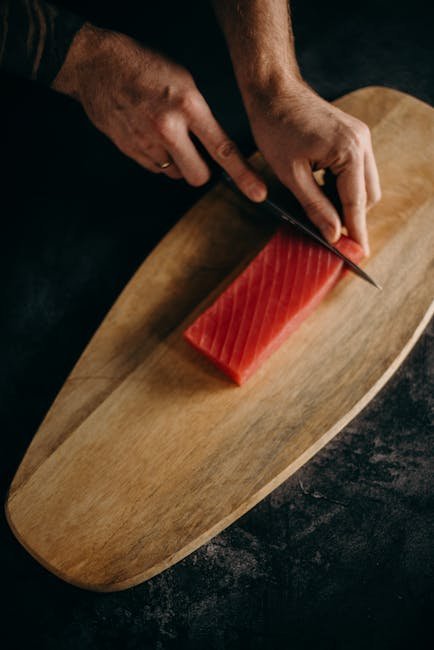
Slicing fish perfectly at home can change the way you cook and enjoy meals. You might think it’s hard or that you need special skills, but with the right tips, you can do it easily.
Imagine serving fresh, beautifully cut fish that looks and tastes like it came from a restaurant. You’ll discover simple steps to slice fish the right way, making your cooking faster and your dishes more delicious. Ready to impress yourself and your guests?
Let’s get started.

Credit: www.hungryhuy.com
Choosing The Right Fish
Choose fish with firm flesh and a fresh smell. Avoid fish that looks dull or smells fishy.
Fish like salmon, tuna, and cod are easy to slice. Their firm texture helps to cut neat pieces.
Smell the fish; it should smell like the sea, not bad or sour. Clear eyes and shiny skin show freshness.
Buying whole fish means you get fresher meat. Fillets are quick to use but check for freshness carefully.
| Type of Fish | Best Use | Texture |
|---|---|---|
| Salmon | Grilling, Slicing | Firm |
| Tuna | Sushi, Searing | Dense |
| Cod | Baking, Frying | Flaky |

Credit: www.youtube.com
Essential Tools
Choose a sharp knifefor slicing fish. A fillet knifeis best. It has a thin bladefor precise cuts. A chef’s knifecan also work. Keep it sharpfor easy slicing. A dull knife can ruin the fish.
Use a non-slip cutting board. It keeps the fish steady. Plastic boardsare easy to clean. A fish scalerhelps remove scales. Have a towelto wipe your hands. A platefor holding the slices is useful.
Keep knives cleanand dry. Wash them after use. Store them in a knife blockor on a magnetic strip. Sharpen them regularly with a whetstone. This keeps them ready for next use.
Preparing The Fish
Start by rinsing the fish under cold water to remove dirt. Use a fish scaler or the back of a knife to remove scales. Move from tail to head, scraping gently but firmly. Rinse again to wash away loose scales. Dry with a paper towel.
To remove bones, run your fingers along the fish fillet to feel any hard spots. Use tweezers or pliers to pull out small bones carefully. Work slowly to avoid damaging the flesh. Check both sides of the fillet for bones.
For skinning, place the fillet skin-side down on a cutting board. Hold the tail end firmly. Slide a sharp knife between the skin and flesh at a small angle. Use a gentle sawing motion while pulling the skin away. Keep the blade close to the skin for less waste.
Slicing Techniques
Cutting fish against the grainhelps make it tender and easier to chew. The grain means the lines or fibers in the fish meat. Slice perpendicularto these lines for the best texture.
For angle and thickness, hold the knife at a slight angle, about 45 degrees. This creates thin, even slices that cook evenly. Keep slices around 1/4 inch thickfor most dishes. Thicker cuts work well for grilling or frying.
- Do not use a dull knife. It crushes the fish.
- Do not cut with a sawing motion; use smooth strokes.
- Avoid slicing too thick or unevenly.
- Keep the fish cold for cleaner cuts.
Special Cuts For Recipes
Sashimi and sushi slicesneed to be very thin and even. Use a sharp knife to cut fish across the grain. This keeps the texture smooth and easy to chew. Chill the fish first for cleaner cuts. Each slice should be about 1/4 inch thick. This helps show the fish’s color and freshness.
Steak cutsare thicker and often have the skin on. Cut straight down, making pieces about 1 inch thick. These are great for grilling or pan-frying. Keep the knife steady to avoid tearing the flesh. Steak cuts keep the fish juicy and tender.
Fillet portionsare boneless and skinless. Cut along the natural shape of the fish. These pieces are good for baking or frying. Try to make even sizes for uniform cooking. Fillets are easy to handle and cook quickly.
Storing And Handling Sliced Fish
Keep sliced fish coldat all times. Store it in the refrigerator at 32-39°F (0-4°C). Use airtight containers or wrap fish tightly in plastic wrap. This stops fish from drying out and keeps odors away.
Freezing fishhelps preserve it longer. Wrap fish in plastic wrap, foil, or freezer bags. Label with the date to track freshness. Use frozen fish within 2-3 monthsfor best taste.
Thaw fish safely by moving it to the refrigerator for 8-24 hours. Avoid thawing at room temperature to stop bacteria growth. You can also thaw fish in cold water sealed in a bag, changing water every 30 minutes.
Safety And Hygiene
Sanitize all tools and surfacesbefore and after slicing fish. Use hot, soapy water or a disinfectant to clean knives, cutting boards, and countertops. This helps kill germs and keeps food safe.
Handle raw fish carefully. Keep it cold until ready to use. Wash hands with soap and water before and after touching fish. Avoid touching your face or other foods during handling.
- Use separate cutting boards for raw fish and other foods.
- Keep raw fish away from ready-to-eat foods.
- Clean utensils and surfaces immediately after contact with raw fish.
These steps reduce the risk of cross-contamination. Safe handling keeps your food fresh and healthy.

Credit: www.yahoo.com
Frequently Asked Questions
How Do I Prepare Fish For Slicing At Home?
Start by rinsing the fish under cold water. Pat it dry with paper towels. Remove scales, fins, and guts before slicing. Use a sharp fillet knife for clean cuts. Keep the fish chilled to maintain freshness while slicing.
What Knife Is Best For Slicing Fish?
A flexible, sharp fillet knife is ideal for slicing fish. It allows precise, smooth cuts. Avoid dull knives as they tear the flesh. A good knife improves safety and maintains the fish’s texture.
How Thick Should Fish Slices Be For Cooking?
Fish slices should be about ¼ to ½ inch thick. This thickness ensures even cooking and tender texture. Thicker slices might cook unevenly, while thinner slices risk drying out quickly.
Can I Slice Frozen Fish For Home Cooking?
Slicing partially frozen fish is easier and cleaner. Let the fish thaw slightly until firm but not fully soft. Use a sharp knife and cut quickly for best results. Fully thawed fish may be too soft to slice neatly.
Conclusion
Slicing fish at home can be simple with the right steps. Use a sharp knife and cut against the grain for best results. Take your time and keep your fingers safe. Fresh fish tastes better and looks nicer when sliced well.
Practice makes your slicing skills improve every time. Enjoy cooking and serving fish dishes that look great. Your meals will feel special with neatly sliced fish. Try these tips in your kitchen today. Cooking fish becomes easier and more fun this way.