

If you want perfectly sliced fish fillets every time, mastering the manual slicer is key. Whether you’re preparing sushi, a delicate seafood dish, or just want even portions, the right slicing technique makes all the difference.
In this guide, you’ll learn simple steps to handle your manual slicer with confidence and precision. By the end, you’ll save time, reduce waste, and impress everyone with your flawless cuts. Ready to take your fish filleting skills to the next level?
Let’s dive in.

Credit: cfishct.com
Choosing The Right Manual Slicer
Manual slicers come in different types. There are straight slicersand curved slicers. Some have adjustable thicknesssettings. Others offer fixed sizes. Each type suits different slicing needs. Choose based on your preference.
The blade is crucial for slicing. Look for a stainless steel blade. It stays sharp longer. A sharp blade makes slicing easier. It also improves precision. Dull blades can be dangerous. Ensure the blade is always sharp.
Slicers come in various sizes. Small slicers fit in tight spaces. Larger ones handle more fish. Consider your kitchen space. Also, think about how much fish you slice. A bigger slicer may be better for large amounts.
Preparing Fish Fillets For Slicing
Start by rinsing the fish fillets under cold water. This removes dirt and scales. Next, gently pat the fillets dry using paper towels. Dry fish slices better and are safer to handle.
Check the fillets for any bones. Use fish tweezers or pliers to pull out small bones carefully. Removing bones makes eating easier and safer.
Skin can be tough to slice through. Remove it by sliding a sharp knife between the skin and flesh. Hold the skin tight and cut slowly to keep the fillet intact.
Chilling the fillets before slicing helps keep their shape. Place the fillets in the fridge or freezer for about 15–20 minutes. Cold fish slices smoothly and cleanly.
Setting Up The Manual Slicer
Adjust the manual slicer’s blade to the right thicknessfor your fish fillet. Thinner slices work best for delicate dishes, while thicker slices suit grilling or frying. Turn the blade knob gently to set the desired thickness.
Place the fish fillet firmly on the slicer platform. Use the clamp or holderto keep the fillet steady. This prevents slipping and ensures even slices.
- Wear cut-resistant gloves to protect your hands.
- Keep fingers clear of the blade at all times.
- Make sure the slicer is on a stable surface.
- Clean the blade before and after use to avoid contamination.

Credit: www.culinaryhill.com
Techniques For Precise Slicing
Applying consistent pressureensures each slice is even and smooth. Avoid pressing too hard; this can tear the fillet. Use gentle, steady force for clean cuts.
Keep your movements steady and controlled. Quick or jerky motions may cause uneven slices. Glide the slicer slowly through the fish for the best results.
- Do not rush the slicing process.
- Keep the slicer blade sharp for easier cutting.
- Hold the fillet firmly but gently to prevent slipping.
- Slice against the grain for tender pieces.
Cleaning And Maintaining Your Slicer
Disassembling the slicer helps clean hard-to-reach areas. Remove the blade carefully. Use warm, soapy water to wash parts. Dry all pieces fully before reassembling. Avoid using abrasive pads that can scratch the surface.
Keep the blade sharp for smooth slicing. Use a sharpening stone or tool designed for slicer blades. Sharpen slowly and evenly to avoid damage. Regular sharpening keeps the blade safe and efficient.
Store the slicer in a dry place to prevent rust. Cover the blade with a guard or cloth. Keep parts together to avoid losing small pieces. Clean and dry before storage ensures longer life.
Expert Tips For Perfect Fish Fillets
Freshnessis key for great fish fillets. Look for clear eyes, shiny skin, and firm flesh. Smell should be mild, not fishy. Choose fish that feels cold and moist.
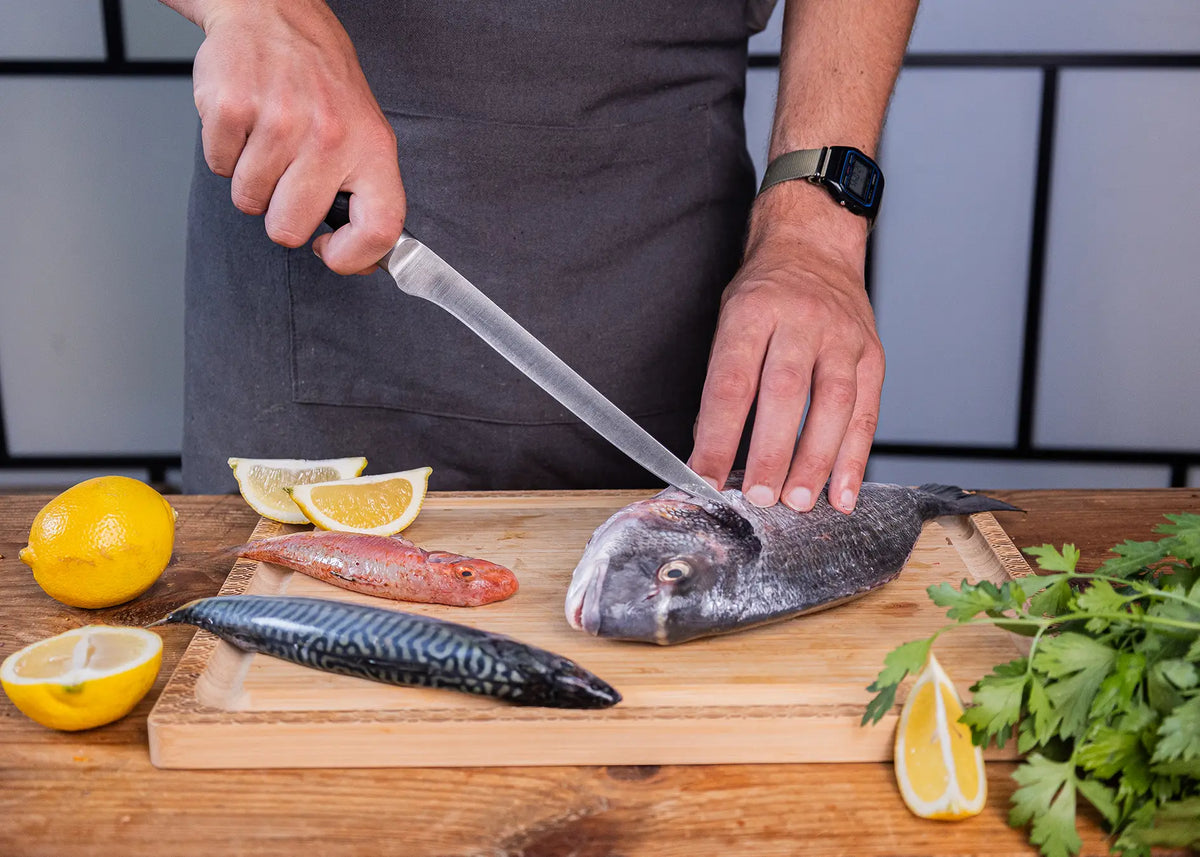
Hold the slicer blade at a slight angle. This helps cut thin, even slices. Cut in one smooth motion to avoid tearing the fish. Keep your hand steady for best results.
- Thin slices make fish cook quickly and evenly.
- Cut across the grain to improve texture.
- Neat slices look better on the plate.
Credit: kotaikitchen.com
Frequently Asked Questions
How Do I Prepare Fish Fillets For Slicing?
Rinse fillets under cold water and pat dry with paper towels. Remove any bones and skin. Ensure fillets are firm and cold for easier slicing.
What Is The Best Blade Setting On A Manual Slicer?
Set the blade thickness to 1/8 inch or thinner. Adjust based on desired slice thickness. Thinner settings create delicate, even fish slices.
How Can I Slice Fish Fillets Evenly?
Use steady, smooth strokes with the slicer. Keep the fillet stable and apply gentle pressure. Practice helps achieve consistent, even slices.
Is It Safe To Use A Manual Slicer For Fish?
Yes, with proper handling and a sharp blade. Always follow safety instructions and keep fingers clear from the blade. Clean slicer after use.
Conclusion
Slicing fish fillets with a manual slicer is simple and safe. Use steady hands and sharp blades for clean cuts. Keep the fillet firm and slice against the grain. Take your time to avoid mistakes and injury. Practice helps improve your slicing skills quickly.
Clean your slicer after each use to keep it sharp. Enjoy fresh, even fish slices for cooking or serving. This method saves time and keeps fish texture perfect. Try it today and see the difference yourself.