
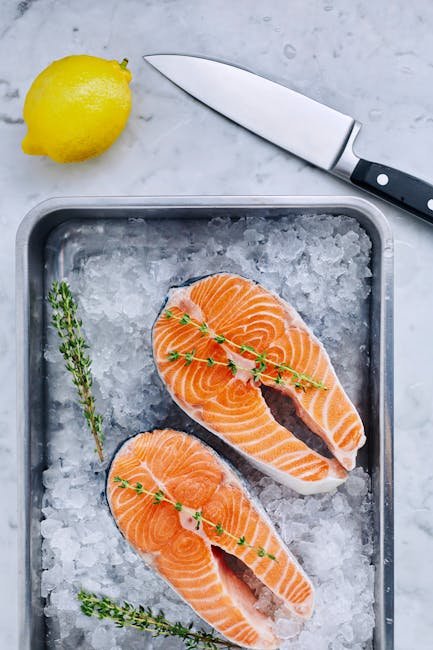
If you want perfectly sliced fish fillets every time, knowing how to use a heavy duty slicer is key. Whether you’re preparing sushi, making delicate fish dishes, or just aiming for consistent cuts, the right slicing technique can save you time and effort.
In this guide, you’ll discover simple steps to master your slicer and get clean, even fish fillets that impress. Ready to upgrade your kitchen skills and make slicing fish easier than ever? Keep reading—you’re about to learn tips that make a real difference.
Credit: www.alibaba.com
Choosing The Right Slicer
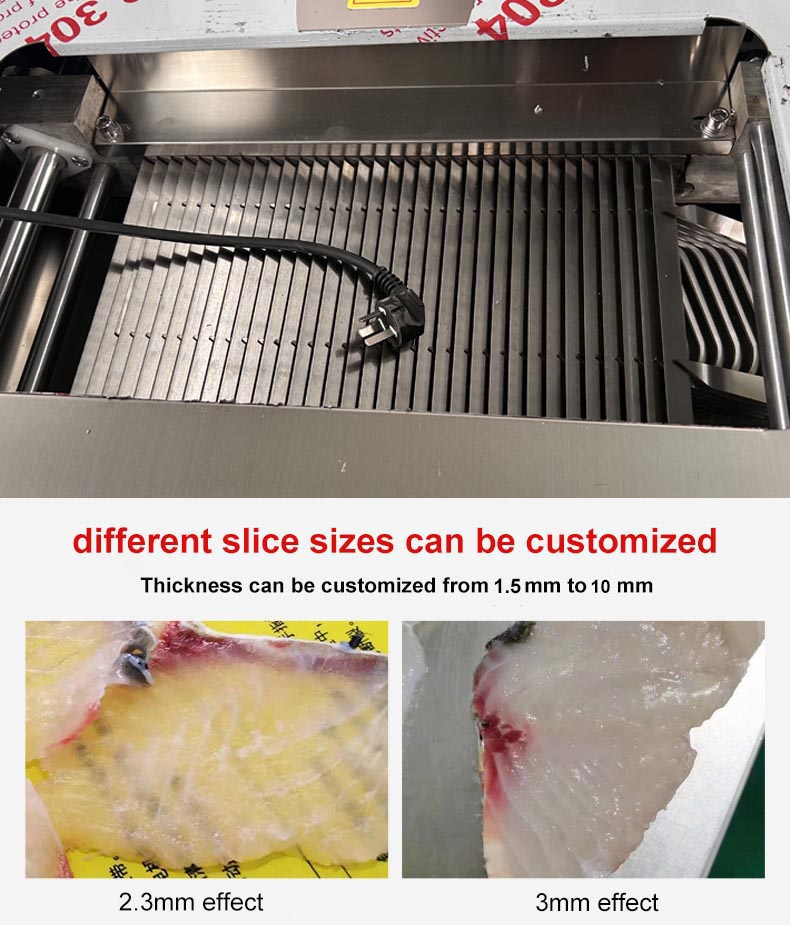
Choosing the right heavy duty sliceris important for slicing fish fillets smoothly. Different slicers serve different purposes. Some are electric, while others are manual. Electric slicers save time and effort. Manual slicers give more control over the cut. Size and power matter. A slicer with strong motor and sharp blades works best for fish.
Types Of Heavy Duty Slicers
- Electric slicers:Fast and consistent, ideal for large amounts.
- Manual slicers:More control and precision, good for delicate fish.
- Commercial slicers:Built for heavy use, often with safety features.
Blade Selection For Fish
Choose a blade that is sharp and thin. Thin blades make thin, clean slices. Serrated blades are less suitable as they may tear fish. Stainless steel blades resist rust. A blade size of 7 to 10 inches fits most fish fillets well. Always check blade condition before use.
Safety Features To Consider
- Blade guard:Protects hands from cuts.
- Non-slip base:Keeps slicer steady on counters.
- Safety switch:Prevents accidental start-up.
- Easy cleaning:Reduces risk of bacteria and injury.
Credit: www.temu.com
Preparing Fish Fillets
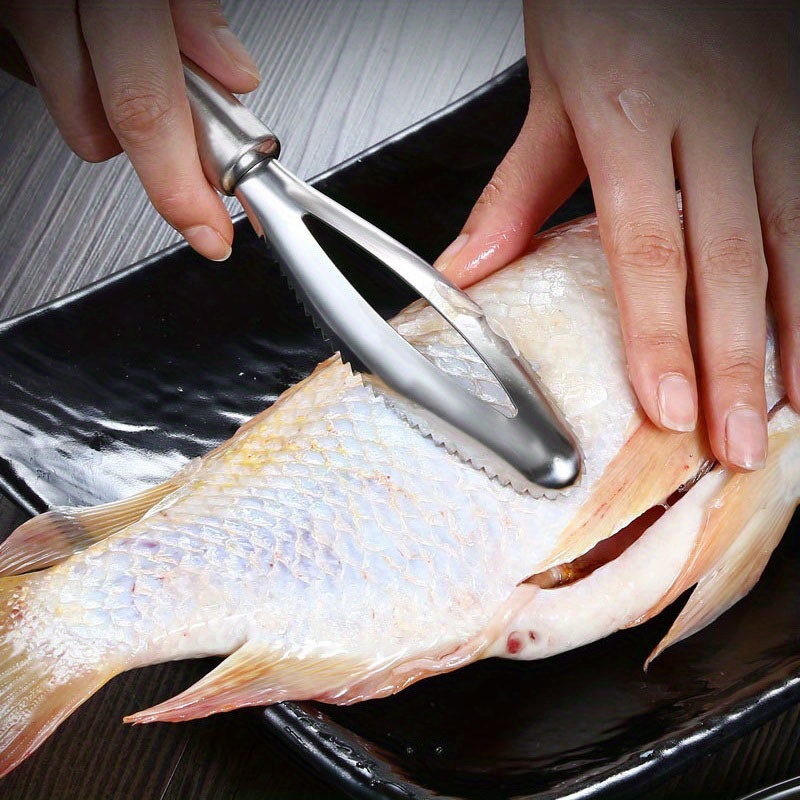
Rinse the fish under cold water. This removes dirt and bacteria. Use a fish scaler to remove scales. Move the scaler from tail to head. Be gentle but firm. Rinse the fish again. Check for missed scales. Pat the fish dry with a clean towel.
Use a fish bone tweezer or pliers. Feel the fillet for bones with your fingers. Gently pull each bone out. Pull in the same direction as the bone. This prevents tearing the fish. Double-check for any missed bones. A boneless fillet is ready for slicing.
Place the fish in the refrigerator. Chill for at least 30 minutes. Chilled fish is firmer and easier to slice. Ensure the refrigerator is set to a cool temperature. Avoid freezing the fillet. A cold fish slices smoothly with a heavy-duty slicer.
Setting Up The Slicer
Adjust the slicer’s thickness dial to set the desired slice size. Start with a thicker setting to avoid tearing the fish. Test the thickness on a small piece before slicing the whole fillet. Make small changes to get even slices every time.
Place the fish fillet flat on the slicer tray. Hold it firmly to stop any slipping. Use the slicer’s guard or holder to secure the fillet safely. This prevents accidents and helps cut straight slices.
- Check blades for any leftover fish or debris before use.
- Clean blades with a soft cloth and warm water regularly.
- Sharpen dull blades to keep cuts smooth and clean.
- Always unplug the slicer before cleaning the blades.

Credit: 999fengxiang.en.made-in-china.com
Slicing Techniques
Keep steady pressureon the slicer handle. This helps make even cutsthrough the fish fillet. Avoid pressing too hard or too soft. Both can cause uneven slices.
Use smooth, even strokesto slice. Move the slicer blade gently and steadily. This keeps the fish from tearing and creates clean cuts. Quick or jerky motions can damage the fillet.
- Do not push the fillet down while slicing.
- Keep the fillet flat on the slicer surface.
- Slice in one direction, not back and forth.
- Make sure the slicer blade is sharp before use.
Post-slicing Care
Cleaning the slicer is key to keep it safe and working well. Remove fish bits from all parts. Use warm water and mild soap to wash the blade and tray. Dry the slicer fully to stop rust.
Store fish slices in a cool place. Use airtight containers or wrap slices tightly. Keep them in the fridge or freezer to stay fresh longer.
Maintain blade sharpness by wiping the blade after use. Use a sharpening tool designed for slicers. Regular sharpening helps make clean cuts and keeps the slicer safe to use.
Troubleshooting Tips
Uneven slicesoften happen due to dull blades or wrong slicer settings. Check blade sharpness and adjust thickness control. Keep fillets flat and steady on the slicer to get even cuts. Use a guide or clamp if available.
Blade jammingoccurs when bones or tough spots get caught. Remove any bones before slicing. Clean the blade and slicer area regularly to avoid buildup. Don’t force the slicer; let it cut at its own pace.
Slippery fillets can cause accidents or uneven slicing. Pat the fish dry with a paper towel before slicing. Use a non-slip mat or cloth under the slicer for stability. Hold the fillet firmly but gently to keep it steady.
Frequently Asked Questions
How Do You Prepare Fish Fillets For Slicing?
To prepare fish fillets, rinse them under cold water and pat dry with paper towels. Remove any bones and skin before slicing. This ensures clean, even cuts when using a heavy duty slicer, improving texture and presentation.
What Blade Type Suits Slicing Fish Fillets?
A sharp, thin, and flexible blade works best for slicing fish fillets. It allows for precise, smooth cuts without damaging the delicate flesh. Serrated blades are not recommended as they can tear the fillet.
How To Adjust Slicer Settings For Fish Fillets?
Set the slicer thickness to a thin setting, usually 1-3 mm. Adjust speed to a moderate pace to maintain control and avoid shredding the fillet. Always test on a small piece first.
What Safety Tips Apply When Slicing Fish Fillets?
Always use a hand guard and keep fingers clear of the blade. Ensure the slicer is stable and clean before use. Wear cut-resistant gloves if possible and never force the fillet through the slicer.
Conclusion
Slicing fish fillets with a heavy-duty slicer is simple and safe. Always keep the slicer clean and sharp for best results. Use steady, even pressure to cut smooth, thin pieces. Take your time and focus on each slice. This tool helps save time and effort in the kitchen.
Practice a few times to get comfortable. Soon, you will enjoy perfectly sliced fish every time.