
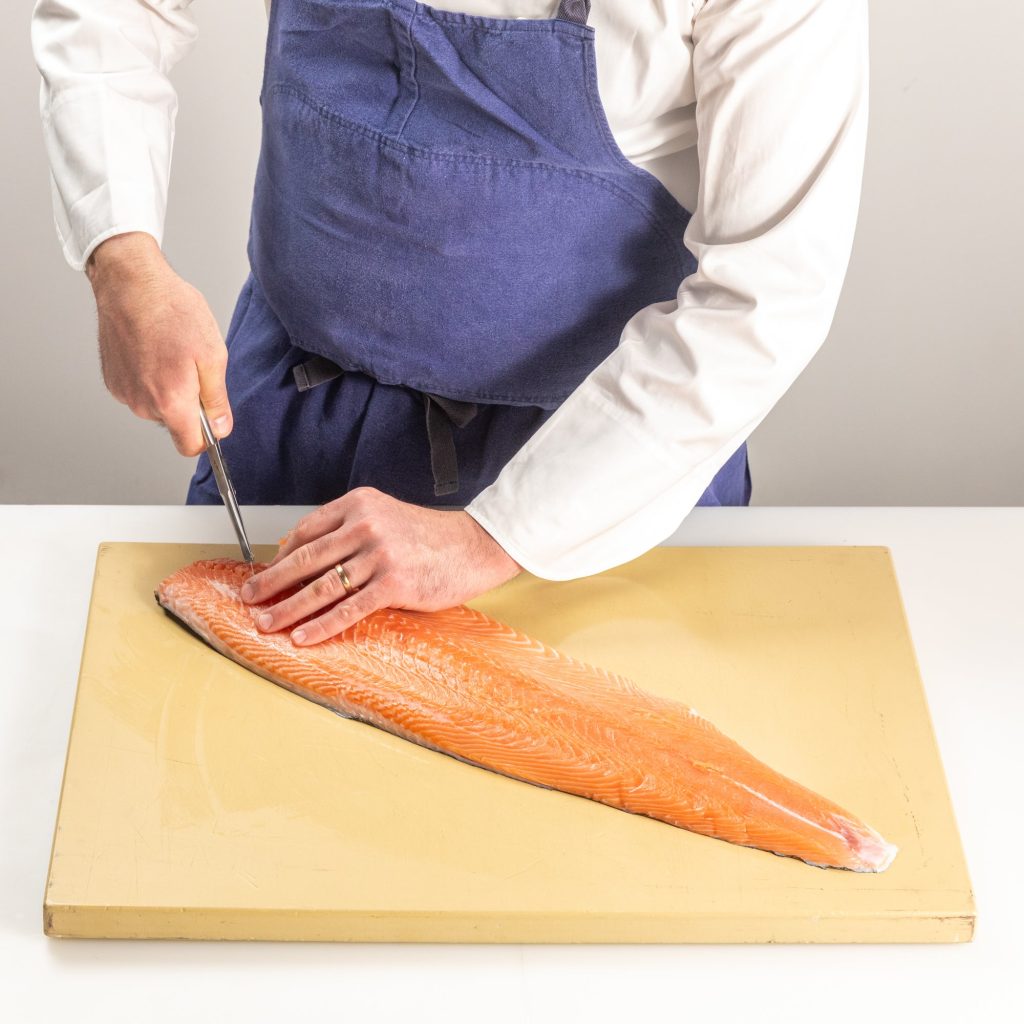
Slicing fish fillets perfectly can be tricky, but it doesn’t have to be. If you want clean, even slices every time, using a compact slicer is the secret tool you need.
Imagine preparing your meals faster and looking like a pro chef without the hassle. You’ll discover simple, step-by-step tips on how to slice fish fillets with a compact slicer, saving you time and effort in the kitchen. Ready to upgrade your cooking skills and impress everyone at the table?
Keep reading—you’re about to learn the easy way to get flawless fish slices every time.

Credit: 999fengxiang.en.made-in-china.com
Choosing The Right Slicer
Choosing the right compact slicermakes slicing fish easier and cleaner. Different types fit different needs and kitchen sizes. Some slicers are manual, while others use electric power. Manual slicers need more effort but offer control. Electric slicers save time and give consistent slices.
Important features to consider include blade size, adjustable thickness settings, and safety guards. A slicer with easy-to-clean parts helps keep everything hygienic. Look for models with stable bases to avoid slips during use.
| Blade Type | Best For | Notes |
|---|---|---|
| Serrated | Fish with skin | Good grip on slippery fish |
| Smooth | Delicate fillets | Clean, even cuts |
| Adjustable | Various thickness | Flexible slicing options |

Credit: acmesmokedfish.com
Preparing Fish Fillets
Choose fish with clear eyes. The eyes should not be cloudy. Check the gills. They should be bright red or pink. Smell the fish. It should not smell bad. The skin should be shiny and firm. Press gently on the fish. The flesh should spring back.
Rinse the fish under cold water. Remove scales with a scaler. Use a sharp knife to cut along the belly. Take out the guts carefully. Look for small bones and remove them. Use tweezers if needed. Rinse again to clean properly.
Place fish on a tray with ice. Keep it in the fridge until ready to slice. Cold fish is easier to slice thinly. This helps in making even fillets. Do not freeze as it makes slicing hard.
Setting Up The Slicer
Adjust the slicer’s thickness dial to your desired fish slice size. Start with a thinner setting for delicate fillets. Thicker settings work best for chunkier pieces. Test a slice first to check thickness before slicing the whole fillet.
Always wear cut-resistant gloves to protect your hands. Keep fingers away from the blade. Make sure the slicer is on a stable surface to prevent slipping. Unplug the slicer before adjusting or cleaning it.
Place the fish fillet flat on the slicer’s platform. Hold it firmly but gently to avoid squashing. Align the fillet so the blade can cut smooth, even slices. Use the food pusher to keep your hands safe and steady the fish during slicing.
Slicing Techniques
Consistent pressurehelps create even fish slices. Hold the slicer handle firmly. Push down smoothly without sudden force. This keeps cuts neat and uniform.
Controlling slice thicknessdepends on adjusting the slicer’s blade setting. Thin slices cook faster and look delicate. Thicker slices hold more texture and flavor. Choose thickness based on your recipe needs.
- Do not press too hard; this can tear the fish.
- Avoid uneven pressure to prevent jagged edges.
- Keep the fish fillet steady on the cutting surface.
- Use a sharp blade for cleaner cuts.
Cleaning And Maintenance
Start by unplugging the slicer for safety. Remove the blade guard and detachable parts carefully. Keep small pieces in a safe place to avoid loss. Use a soft cloth or brush to clean hard-to-reach areas. Avoid using harsh chemicals that can damage the slicer.
Wash removable parts with warm soapy water. Rinse them well and dry completely before reassembling. Wipe the slicer body with a damp cloth to remove any fish residue. Make sure all parts are dry to prevent rust.
- Check blade sharpness regularly to maintain clean cuts.
- Lubricate moving parts as per manufacturer instructions.
- Tighten any loose screws or bolts to keep slicer stable.
- Store the slicer in a dry place after cleaning.
Expert Tips For Perfect Slices
Use a sharp, thin knifefor small touch-ups after slicing. This helps fix uneven edges and keeps slices neat. Always hold the knife steady and cut slowly for control.
Store sliced fish in an airtight container. Keep it cold and dryto stay fresh. Use within 1-2 days to enjoy the best taste. Place a paper towel inside to absorb extra moisture.
To enhance presentation, arrange slices neatly on a plate. Garnish with fresh herbs or lemon slices for color. Use a clean, white plate to make fish look fresh and appealing.

Credit: www.louisianasportsman.com
Frequently Asked Questions
How Do I Prepare Fish Fillets For Slicing?
Rinse fish fillets under cold water and pat dry with paper towels. Remove any bones and skin for even slices. Keep fillets chilled to maintain freshness and ease slicing with a compact slicer.
What Blade Thickness Is Ideal For Slicing Fish Fillets?
A blade thickness between 1 to 3 millimeters works best. Thin blades ensure clean, precise cuts without tearing the delicate fish. Adjust thickness based on your recipe needs and fillet size.
Can I Use A Compact Slicer For Frozen Fish Fillets?
Yes, but partially thaw frozen fillets first. Slightly thawed fish slices easier and prevents blade damage. Avoid slicing fully frozen fish to maintain slicer performance and safety.
How Do I Clean A Compact Slicer After Use?
Unplug the slicer before cleaning. Disassemble removable parts and wash with warm soapy water. Dry thoroughly to avoid rust. Regular cleaning ensures hygiene and prolongs slicer life.
Conclusion
Slicing fish fillets with a compact slicer is simple and quick. Use steady, even pressure for clean cuts. Always keep the slicer sharp to make slicing easier. Take your time and focus on safety. With practice, your fish slices will look neat every time.
Enjoy cooking fresh fish with perfect slices. Simple tools, good care, and patience bring great results. Try these tips for your next fish dish.