
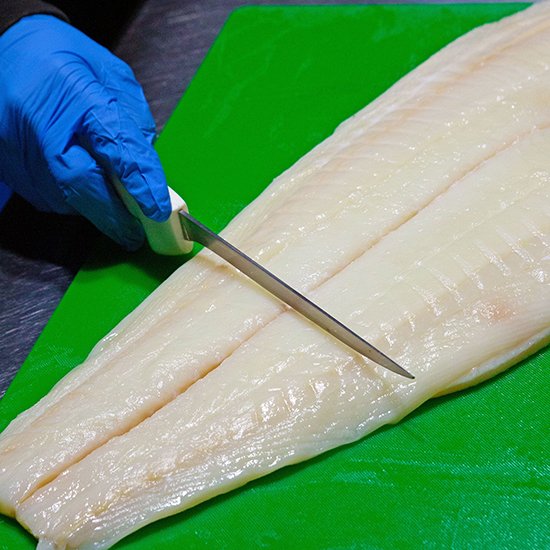
Slicing fish fillets might seem simple, but one wrong move can ruin your meal—or worse, cause an injury. You want clean, even cuts that make cooking easier and tasting better.
But how do you do it safely and with confidence? This guide will show you step-by-step how to slice fish fillets like a pro, protecting your fingers and boosting your kitchen skills. Keep reading, and you’ll never worry about cutting fish the wrong way again.

Credit: www.youtube.com
Choosing The Right Knife
A sharp, flexible knife makes slicing fish easier and safer. Choose one with a thin blade to cut smooth, even fillets without slipping. Always keep the knife clean and dry for better control.
Types Of Knives For Filleting
- Fillet knife:Thin, flexible blade for precise cuts.
- Boning knife:Stiff blade to remove bones easily.
- Chef’s knife:Versatile but less flexible for fillets.
Knife Sharpness And Maintenance
A sharp knife is essentialfor safe and clean slicing. Dull blades slip and cause accidents. Use a sharpening stone or steel rod often. Clean and dry knives immediately after use. Store knives in a block or sheath to protect the blade. Regular care keeps knives effectiveand safe.
Preparing Your Workspace
Always use a clean and stablesurface for cutting fish. A non-slip matunder your cutting board helps keep it steady. This prevents accidents and keeps the board from moving. Wipe the board with a damp cloth to remove any dirt. A clean surface makes sure your fish stays safe to eat.
Good lightingis key for slicing fish safely. It helps you see the fish clearly. Use a sharp knife to make cutting easier. A dull knife can slip and cause injuries. Keep your tools in good condition. Check them often for any damage. Proper tools make your task simpler and safer.
Handling The Fish Fillet
Place the fish fillet on a clean, flat surface. Keep it steady using a damp cloth or non-slip mat. This stops the fillet from moving while cutting. Hold the fillet firmly but gently to avoid damage.
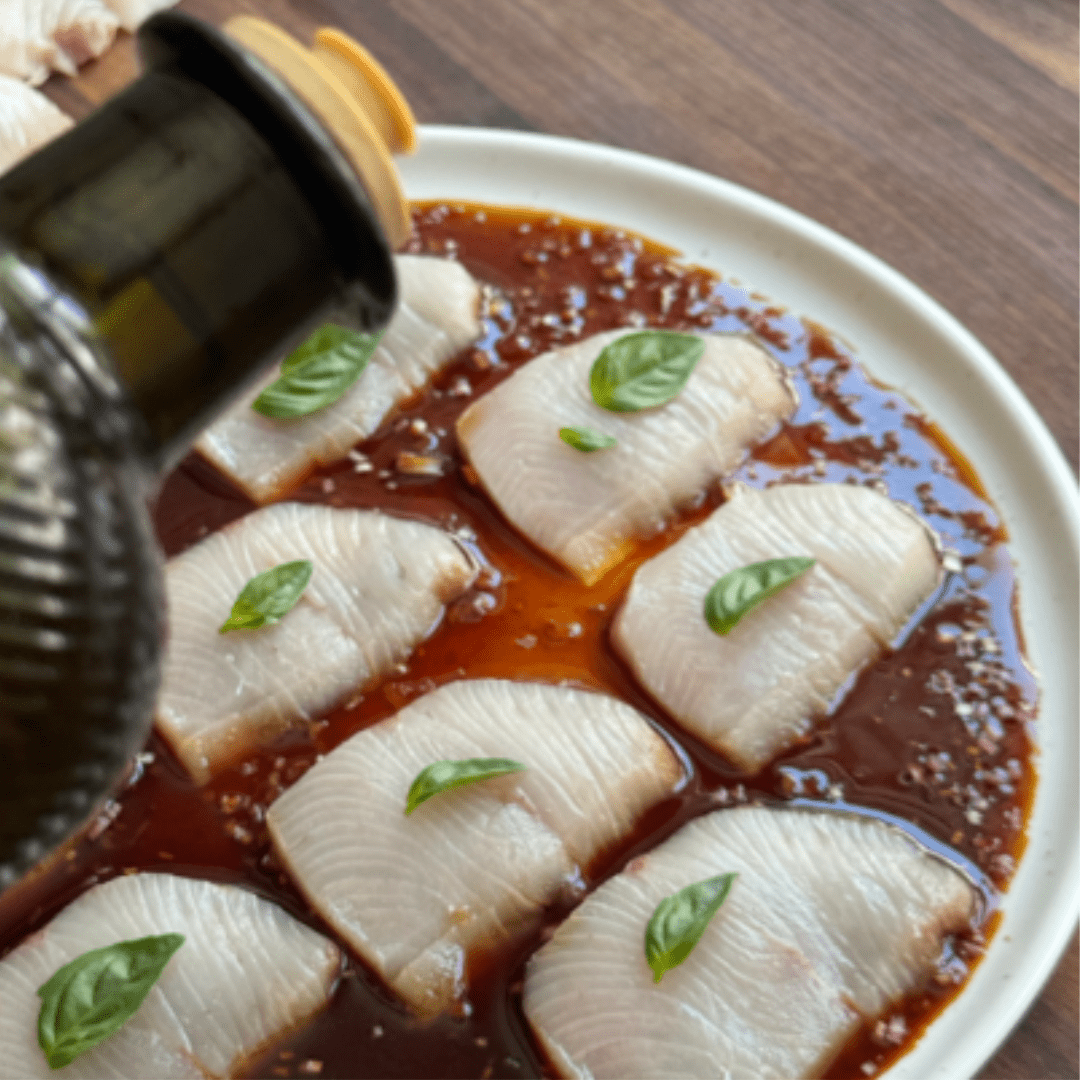
Look closely at the fillet to find the grain. The grain shows the direction of the fish muscle fibers. Cut along the grainfor the best texture. Cutting across the grain may make the fish tough.
Check the fillet for any bones. Run your fingers lightly over the surface. Remove visible bones with tweezers or pliers. This makes eating safer and more pleasant.
Credit: seatopia.fish
Safe Slicing Techniques
Hold the knife at a slight angle to the fish fillet. This helps make clean cuts and avoids tearing the flesh. Use gentle pressure to let the knife do the work. Pressing too hard can crush the fillet or cause slips.
Cutting with smooth, even strokes helps keep slices uniform. Avoid sawing back and forth. Let the blade glide through the fish in one steady motion. This technique keeps the texture intact and reduces accidents.
- Keep the knife sharp for clean cuts.
- Use a flexible fillet knife for better control.
- Keep your fingers away from the blade edge.
- Cut on a stable surface to prevent slipping.
Avoiding Common Mistakes
Keep your hands dryto avoid slipping while cutting fish fillets. Use a clean towel to wipe your hands and the cutting board regularly. A sharp knife requires less force and gives better control, reducing the chance of accidents. Always slice away from your body and fingers to prevent cuts. Using a non-slip mat under the cutting board helps keep it steady.
To maintain fillet integrity, use smooth, gentle cuts. Avoid sawing back and forth, which can tear the fish. Hold the fillet firmly but gently to keep it from moving. Cutting at a slight angle makes clean, even slices easier. Keep the knife blade close to the bones to get the most meat without waste.

Credit: fishingbooker.com
Cleaning And Storing Fillets
Use tweezers or fish bone pliers to pull out leftover bones. Run your fingers gently over the fillet. Feel for tiny, sharp bones hidden inside. Remove all bones carefully to avoid choking hazards. This step ensures safe eating and better texture.
Store fillets in the coldest part of the fridge at 32°F to 39°F (0°C to 4°C). Wrap fish tightly in plastic wrap or place in an airtight container. Keep fish away from strong-smelling foods to prevent odor transfer. Use fresh fish within 1-2 days for best taste and safety.
Frequently Asked Questions
How Do I Prepare Fish Fillets For Slicing?
Rinse the fillets under cold water and pat dry with paper towels. Remove any bones and scales before slicing to ensure safety and precision.
What Knife Is Best For Slicing Fish Fillets?
A flexible, sharp fillet knife is ideal. It allows smooth, clean cuts and reduces the risk of slipping and injury.
How Can I Avoid Cutting Myself While Slicing Fish?
Use a sharp knife and cut away from your body. Keep fingers clear of the blade and use a stable cutting surface.
What Slicing Technique Ensures Even Fish Fillets?
Slice in a single, smooth motion at a slight angle. Avoid sawing back and forth to maintain uniform thickness.
Conclusion
Slicing fish fillets safely protects your hands and keeps fish fresh. Use a sharp knife and cut slowly for control. Always keep your fingers away from the blade. Clean your tools and workspace to avoid germs. Practice these tips to feel confident while preparing fish.
Safe slicing makes cooking easier and more enjoyable. Keep safety first, and your meals will turn out great every time.