

Are you tired of uneven, crumbly cheese slices that ruin your sandwiches and snacks? Slicing cheese perfectly at home can seem tricky, but with the right technique and a home slicer, you can achieve smooth, even slices every time.
Imagine effortlessly preparing your favorite cheeses just the way you like them—thin, thick, or anywhere in between. In this guide, you’ll discover simple steps to master your home slicer and elevate your cheese experience. Keep reading to unlock the secret to perfectly sliced cheese that looks great and tastes even better.
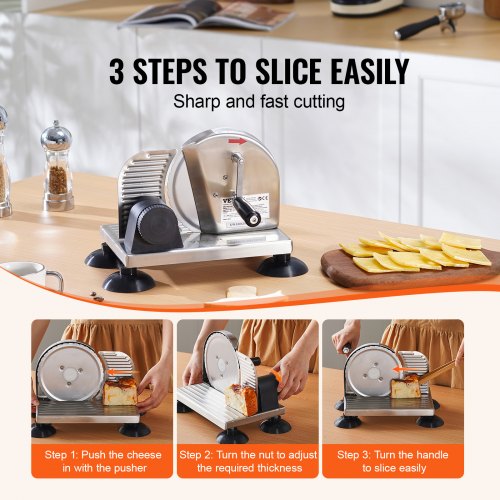
Credit: www.vevor.com
Choosing The Right Cheese
Cheese texture affects slicing ease; soft cheeses need gentle handling, while firm cheeses slice neatly with a home slicer. Choosing the right cheese ensures smooth, even slices every time.
Hard Vs Soft Cheese
Hard cheese is firm and easy to slice. Cheddar, Parmesan, and Gouda are popular hard cheeses. Soft cheese is creamy and can be sticky. Brie and Camembert are soft cheeses. Use a sharp knife for hard cheese. Use a special wire cutter for soft cheese. This helps in making even slices.
Cheese Temperature Tips
Always keep cheese cool before slicing. Hard cheese should be at room temperature. This makes it easy to cut. Soft cheese should be cold. This prevents sticking. Let soft cheese rest after cutting. It tastes better that way. Enjoy cheese with crackers or bread.
Selecting A Home Slicer
Choosing the right home slicer depends on your needs. Manual slicersare simple and quiet. They need your effort to slice cheese. Electric slicerssave time and work faster. They are great for large amounts of cheese.
Blades come in different types and sizes. A serrated bladeworks well for soft cheeses. A smooth bladesuits hard cheeses better. Blade sizes range from 5 to 10 inches. Larger blades can slice bigger cheese blocks.
| Blade Type | Best For | Common Sizes |
|---|---|---|
| Serrated | Soft cheese | 5 – 7 inches |
| Smooth | Hard cheese | 7 – 10 inches |
| Adjustable thickness | All cheese types | Varies |
Preparing The Slicer
Cleaning the slicer before use is very important. Remove any old cheese bits or dust. Wipe all parts with a damp cloth. Make sure the blade is sharp and free of rust. Check the power cord and plug for damage to avoid accidents.
Safety checks protect you during slicing. Ensure the slicer is on a flat surface. Use the safety guard to keep fingers safe. Never touch the blade directly. Keep children away from the slicer while it is on.
Adjusting the thickness settings helps slice cheese just right. Turn the knob to choose thin or thick slices. Test the setting with a small piece before slicing the whole block. This prevents wasting cheese or making slices too thick.

Credit: www.boska.com
Techniques For Slicing Cheese
Place the cheese block firmly on the slicer’s base. Make sure it does not move. This helps in getting even slicesevery time. Align the cheese so the blade hits the center.
Hold the slicer handle steady for smooth and even cuts. Push the blade slowly through the cheese. Avoid pressing too hard to prevent breaks. Use a gentle, steady motionfor best results.
Maintaining Your Slicer
Keep your slicer clean for safe and smooth use. Wipe off cheese bits after each use with a soft cloth. Use warm water and mild soap to clean the blade and platform. Avoid harsh chemicals that can damage parts. Dry all pieces fully to stop rust and mold.
Sharp blades make slicing easy and even. Check the blade often for dullness or chips. Use a blade sharpener designed for your slicer type. Replace the blade if sharpening does not help or if it is damaged.
| Maintenance Task | Frequency | Tips |
|---|---|---|
| Cleaning | After every use | Use mild soap, warm water, dry well |
| Blade sharpening | Every few weeks or as needed | Use proper sharpener, avoid over-sharpening |
| Blade replacement | When blade is damaged | Buy correct size, follow instructions |

Credit: www.boska.com
Creative Serving Ideas
Cheese platterslook great with a mix of sliced cheeses. Use your home slicer for even, thin slices. Pair slices with fruits like grapes, apples, or figs. Add nuts such as almonds or walnuts for crunch. Include crackers or bread for texture contrast. Small bowls of honey or jam add sweet flavor. Arrange items with space to keep the platter neat and inviting.
To keep sliced cheese fresh, wrap it tightly in wax paper or plastic wrap. Store in an airtight container inside the fridge. Avoid stacking slices too high to prevent sticking. Check the cheese daily for any signs of mold or dryness. Proper storage helps keep cheese soft and tasty for days.
Frequently Asked Questions
How Do I Use A Home Slicer To Slice Cheese?
First, secure the cheese on the slicer platform. Adjust the thickness setting. Slowly slide the blade across the cheese to get even slices. Always use the safety guard to protect your fingers.
What Types Of Cheese Work Best With A Home Slicer?
Semi-hard and hard cheeses like cheddar, gouda, and Swiss slice best. Soft cheeses may crumble or stick to the blade. For soft cheese, chill it before slicing for better results.
How Do I Clean And Maintain My Cheese Slicer?
Unplug the slicer before cleaning. Remove the blade carefully and wash it with warm, soapy water. Dry all parts thoroughly to prevent rust. Regularly check for blade sharpness and replace if dull.
Can I Adjust Slice Thickness On A Home Cheese Slicer?
Yes, most home slicers have a thickness adjustment knob. Turn it to choose your desired slice thickness, from thin to thick. This feature allows you to customize slices for different recipes.
Conclusion
Slicing cheese with a home slicer is simple and quick. Always handle the slicer with care for safety. Clean the slicer after each use to keep it working well. Practice makes perfect, so slice slowly at first. Enjoy evenly cut cheese for sandwiches, snacks, or cooking.
This tool saves time and effort in the kitchen. Give it a try and see the difference yourself.