
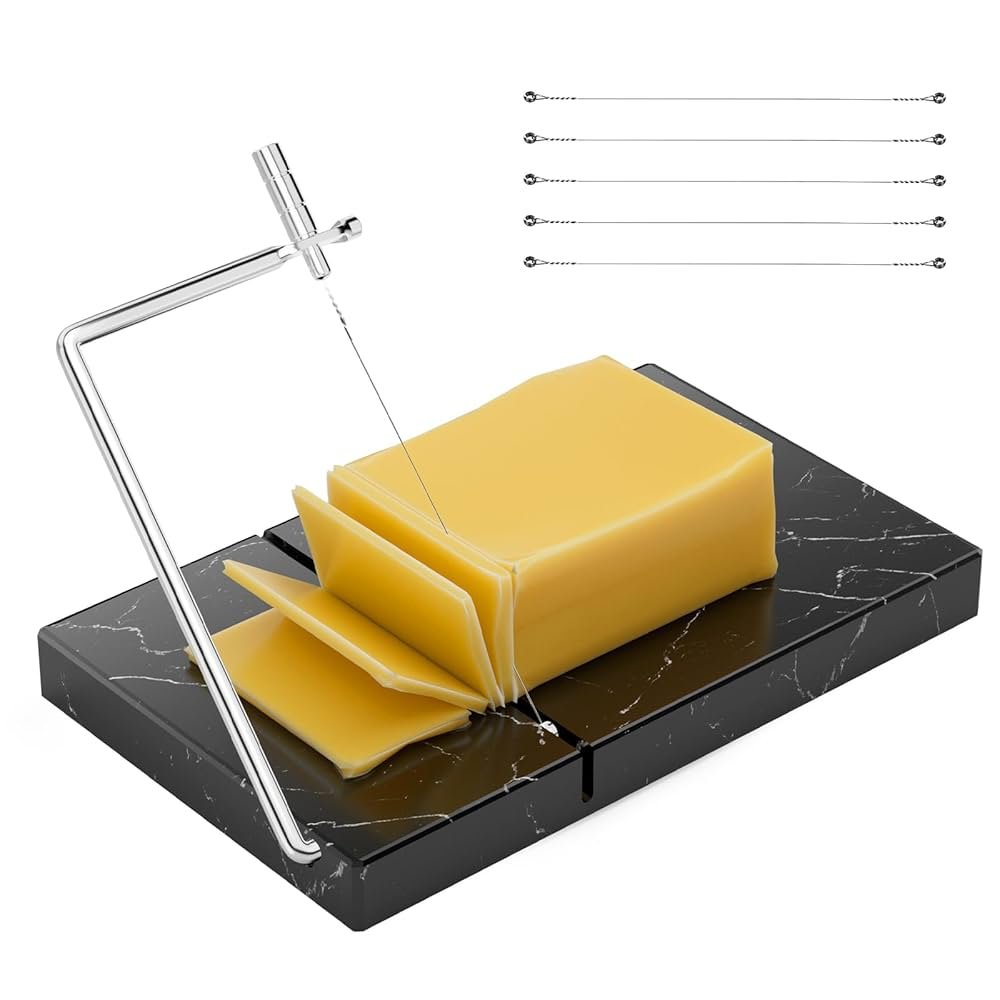
If you love cheese but struggle to get perfect slices every time, you’re not alone. Slicing cheese can be tricky—too thick, and it’s hard to enjoy; too thin, and it falls apart.
That’s where a heavy duty slicer comes in. With the right technique, you can cut clean, even slices that look great and taste even better. In this post, you’ll learn simple steps to master your heavy duty slicer and make your cheese slicing effortless.
Keep reading, and you’ll never have to deal with uneven cheese slices again!

Credit: www.vevor.ca
Choosing The Right Slicer
Heavy duty slicers come in different types: manualand electric. Manual slicers need more effort but cost less. Electric slicers work faster and are best for large amounts of cheese.
Blade materials affect slicing quality. Stainless steel blades last long and cut well. Carbon steel blades are sharp but need more care. Blade size matters too. Larger blades handle thick cheese better. Smaller blades are good for thin slices.
Safety features are very important. Look for slicers with a finger guardto protect your hands. Non-slip feet keep the slicer steady. An automatic shut-off can prevent accidents. These features help you slice cheese safely every time.
Preparing Cheese For Slicing
Choose a firm cheese and chill it for easier slicing. Place the cheese securely on the heavy-duty slicer before cutting. Use steady pressure to get even, clean slices every time.
Setting Up The Slicer
Adjust the slicer’s thickness knob to set the desired slice size. Thinner slices are great for sandwiches, while thicker cuts work well for cheese boards. Always test the setting by slicing a small piece first.
Place the cheese firmly against the slicer’s guide. Use the clamp or holder if your slicer has one to keep the cheese steady. This prevents slipping and ensures even slices every time.
Check the blade before starting. A sharp blade cuts smoothly and safely. If the blade looks dull or has nicks, replace or sharpen it to avoid tearing the cheese.
Techniques For Perfect Slices
Apply steady pressureto keep the cheese stable. Avoid pressing too hard to prevent uneven slices. Smooth and even motions help the slicer glide through the cheese easily. Pause briefly between slices to adjust your grip and maintain control.
Common slicing mistakes include pushing too fast or using jerky movements. These cause rough edgesand broken slices. Keep your hand relaxed and guide the slicer gently. Make sure the slicer blade is clean and sharp for best results.
Cleaning And Maintaining Your Slicer
Disassemble the slicer carefully before cleaning. Remove the blade and other parts. Use warm, soapy water to wash each piece. Dry all parts well to stop rust. Be gentle with the blade to avoid damage.
Keep the blade sharp for smooth cheese slicing. Use a sharpening tool made for slicer blades. Sharpen the blade slowly and evenly. Check the blade often and sharpen when needed. A sharp blade means safer use and better slices.
Store the slicer in a dry place. Cover the blade to keep it safe. Avoid storing in humid areas to prevent rust. Keep all parts together to avoid losing pieces. Clean the slicer before storing to keep it ready.

Credit: www.kimecopak.ca
Troubleshooting Common Issues
Uneven slicescan happen if the cheese is too soft or the blade is dull. Chilling the cheese before slicing helps firm it up. Also, check the blade for sharpness and clean it regularly to avoid clogging.
Stuck cheeseoften occurs with sticky or warm cheese. Keep the slicer and blade clean. Wiping the blade after each cut prevents buildup. Use a gentle back-and-forth motion instead of forcing the slice.
| Signs for Blade Replacement | Why Replace? |
|---|---|
| Dull blade | Slices become uneven or tear the cheese |
| Rust spots | Unsafe and affects taste |
| Blade chips or cracks | Can damage cheese and slicer |
| Blade doesn’t spin freely | Reduces slicing efficiency |

Credit: www.vevor.ca
Frequently Asked Questions
How Do I Prepare Cheese For Slicing?
First, chill the cheese for firm texture. Remove any packaging and place it on the slicer platform. Ensure the cheese is dry to avoid slipping. Proper preparation ensures clean, even slices.
What Safety Tips Should I Follow Using A Heavy-duty Slicer?
Always use the safety guard and keep fingers away from the blade. Wear cut-resistant gloves if possible. Turn off and unplug the slicer when not in use. Follow the manufacturer’s instructions carefully to avoid accidents.
How To Adjust Slice Thickness On A Heavy-duty Slicer?
Locate the thickness adjustment knob or lever on the slicer. Turn it to the desired thickness, usually measured in millimeters or fractions of an inch. Test with a piece of cheese and readjust if necessary for consistent slices.
Can I Slice Different Types Of Cheese With One Slicer?
Yes, a heavy-duty slicer works on various cheeses like cheddar, Swiss, and gouda. Hard and semi-hard cheeses slice best. Softer cheeses may require a slower slicing speed or a different blade.
Conclusion
Slicing cheese with a heavy duty slicer is simple and safe. Always keep your hands clear of the blade. Use steady pressure to get even slices. Clean the slicer after each use to keep it sharp. Practice helps you slice faster and better.
Enjoy your perfectly sliced cheese in sandwiches, salads, or snacks. A good slicer saves time and effort in the kitchen. Try these tips to make your cheese slicing smooth and easy.