
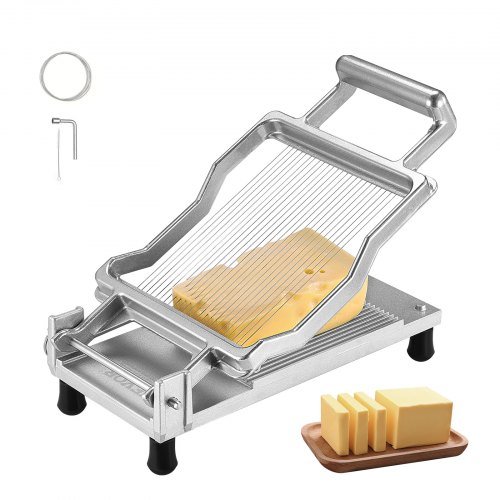
Are you tired of uneven, messy slices when cutting cheese blocks? Using a commercial slicer can change everything for you.
It makes slicing cheese faster, cleaner, and more precise. Imagine having perfectly even slices every time, whether for sandwiches, platters, or recipes. You’ll discover simple steps to master your commercial slicer and get the best results effortlessly. Keep reading, and you’ll soon slice cheese like a pro.
Choosing The Right Slicer
Choosing a commercial slicer depends on the cheese type and desired slice thickness. A sharp, adjustable blade ensures even, smooth slices every time. Consider safety features and ease of cleaning for efficient use.
Types Of Commercial Slicers
Commercial slicers come in different styles to fit your needs. Manual slicersrequire hand operation and are best for small tasks. Automatic slicersuse motors to slice quickly and with less effort. Gravity feed slicersallow the cheese block to slide down onto the blade for smooth slicing. Each type offers different speed and control levels.
Blade Selection
Blade size and type affect slice thickness and quality. A larger bladecan slice bigger blocks easily. Serrated bladeswork well for hard cheeses, while smooth bladesare better for soft cheeses. Choose a blade that matches your cheese texture and desired slice thickness.
Safety Features
- Blade guardsprotect your hands from cuts.
- Non-slip feetkeep the slicer steady on counters.
- Safety switchesprevent accidental starts.
- Food pusher handleskeep hands away from the blade.
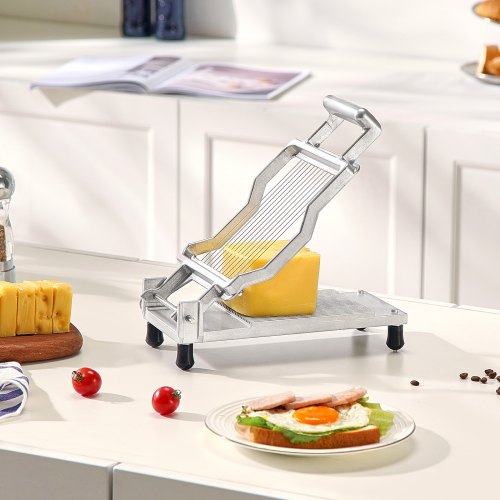
Credit: www.vevor.ca
Preparing The Cheese
Choose blocks that fit your slicer size. Large blocks are harder to slice. Soft cheeses can be tricky. Firm blocks are easier to handle. Check for freshness and texture. Fresh cheese slices better. Avoid very crumbly cheese. It can break apart easily. Choose uniform blocks for even slices.
Cheese should be cool, not cold. Cold cheese can be hard. Let it sit at room temperature for a bit. This makes slicing easier. Soft cheeses may need refrigeration. This helps them hold shape better. Find the right temperature for each type. It will improve slicing quality.
Wash hands before touching cheese. Clean the slicer blades carefully. Dirty blades can affect flavor. They can also spread germs. Rinse with warm, soapy water. Dry completely before use. Handle cheese with clean tools. Keep your workspace tidy. This prevents contamination.
Setting Up The Slicer
Adjust the slicer’s thickness dial to set how thick each cheese slice will be. Start with a medium setting and test a slice. Make small changes to get the perfect thickness for your needs.
Place the cheese block firmly on the slicer’s platform. Use the built-in clamp or holder to secure it. This stops the cheese from moving during slicing.
Ensure the slicer is on a flat, stable surface to avoid accidents. Hold the handle with steady pressure while slicing. Stability helps create even slices without slipping.
Slicing Techniques
Proper hand positionis key for safe and even slicing. Keep your hand steady and away from the blade. Hold the cheese block firmly but gently to avoid slips.
Consistent pressure applicationhelps create slices that are the same thickness. Press the cheese block evenly against the slicer. Avoid pushing too hard, which can cause uneven cuts.
Speed controlmatters for smooth slicing. Move the cheese block at a steady pace. Too fast can cause rough slices, and too slow may damage the cheese texture.
Maintaining The Slicer
Keep the slicer clean after each use to prevent cheese buildup. Regularly check and sharpen the blade for smooth, even slices. Proper maintenance extends the slicer’s life and ensures safe operation.
Regular Cleaning
Clean the slicerafter every use. Remove all cheese bits to stop bacteria growth. Use a soft cloth and warm, soapy water. Avoid harsh chemicals that can damage the machine. Dry all parts well before reassembling.
Blade Sharpening
Keep the blade sharpfor smooth slicing. Dull blades can crush cheese and cause uneven cuts. Use a sharpening stone or a professional service. Always follow the slicer’s manual for proper sharpening steps.
Routine Inspections
- Check screws and bolts for tightness.
- Look for worn or broken parts.
- Ensure the motor runs smoothly without strange noises.
- Test the safety guard for proper function.
Regular checks help avoid accidents and keep the slicer working well.
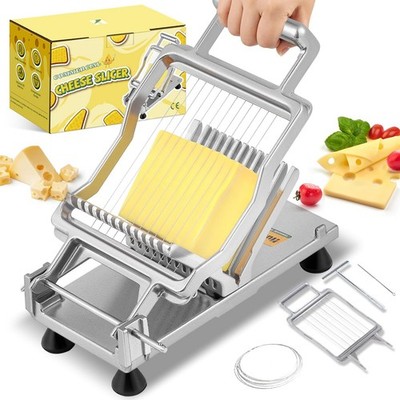
Credit: www.ebay.ca
Troubleshooting Common Issues
Uneven slicesoften happen because the cheese block is not placed straight. Make sure the cheese is aligned well before slicing. Also, check the thickness setting; uneven settings cause irregular cuts.
Slicer jammingcan stop your work quickly. Remove the cheese block and clear any stuck pieces inside the slicer. Keep the slicer clean to avoid buildup that blocks the blade.
Blade dullnesslowers slice quality. A dull blade tears the cheese instead of cutting cleanly. Replace or sharpen the blade regularly to keep slices smooth and even.
Maximizing Efficiency
Batch processinghelps slice many cheese blocks fast. Prepare all cheese blocks before starting. Keep the slicer clean and sharp for smooth cuts. Use a tray or container to hold sliced cheese together.
Organize your workstation well. Place cheese blocks close to the slicer. Have a clean area for stacking slices. Keep tools and cleaning cloths nearby.
Save time by using these tips:
- Set slicer thickness once for all blocks.
- Slice blocks in order without changing setup.
- Check blade sharpness often to avoid delays.
- Clean slicer parts quickly after finishing.

Credit: www.vevor.ca
Frequently Asked Questions
How Do I Safely Use A Commercial Cheese Slicer?
Always read the user manual before operating. Keep hands away from the blade. Use a firm grip on the cheese block. Turn off and unplug the slicer when not in use to avoid accidents.
What Thickness Settings Are Best For Slicing Cheese?
Thickness depends on cheese type and usage. For sandwiches, 1/8 inch is ideal. For platters, thicker slices work better. Adjust the slicer dial to your desired thickness for consistent results.
Can All Cheese Blocks Be Sliced With A Commercial Slicer?
Most firm and semi-hard cheeses can be sliced. Soft cheeses may require special blades or manual cutting. Always check slicer specifications to ensure compatibility with your cheese type.
How Do I Maintain A Commercial Cheese Slicer?
Clean the slicer after each use with warm water and mild detergent. Regularly check and sharpen the blade for precise cuts. Lubricate moving parts as recommended by the manufacturer to ensure smooth operation.
Conclusion
Slicing cheese blocks with a commercial slicer saves time and effort. It helps create even, clean slices every time. Always handle the slicer carefully for safety. Clean the machine after use to keep it working well. Practice a few times to get comfortable with the process.
This simple skill can improve your kitchen work a lot. Use these tips to slice cheese easily and quickly. Enjoy neat slices for sandwiches, platters, and more.