

Want to make your breakfast extra delicious? Knowing how to slice bacon just right can change everything.
Whether you like thick, crispy pieces or thin, tender strips, the way you cut your bacon makes a big difference in flavor and cooking time. You’ll discover simple tips and tricks to slice bacon perfectly every time. Keep reading, and soon you’ll be serving up bacon that’s just the way you love it.
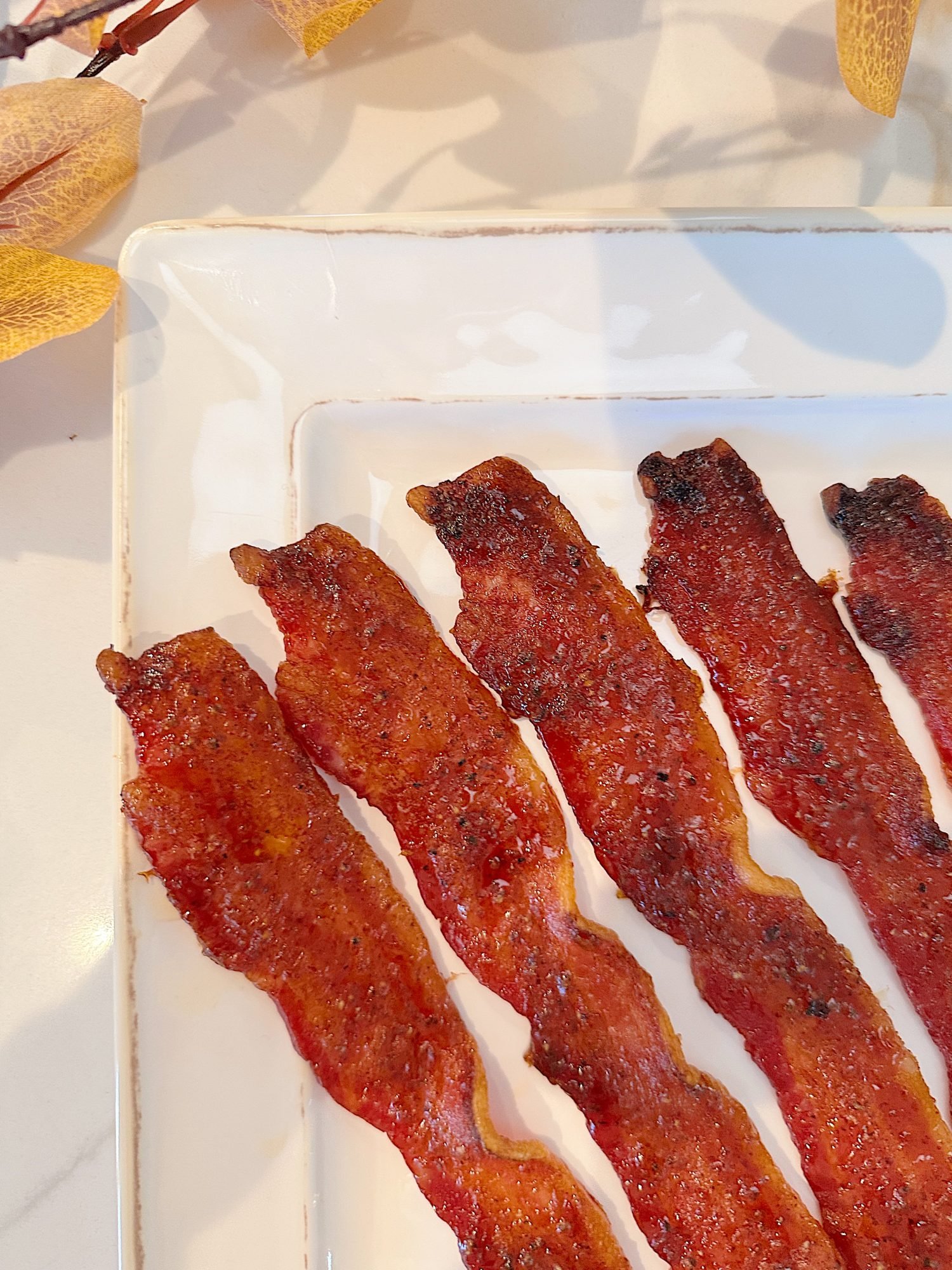
Credit: my100yearoldhome.com
Choosing The Right Bacon
Different bacon cutsoffer unique flavors and textures. Common types include streaky baconand back bacon. Streaky bacon has more fat and crisps up well. Back bacon is leaner and meatier.
Thicknessaffects cooking time and taste. Thin slices cook quickly and get very crispy. Thick slices stay chewy and juicy, good for hearty meals.
Fresh baconis usually sold at butcher shops or fresh meat counters. It can be sliced to your preference. Pre-packaged baconis sliced and ready to use, but thickness and cut are fixed.
| Type | Description | Best for |
|---|---|---|
| Streaky Bacon | Fatty, crispy when cooked | Crispy bacon lovers |
| Back Bacon | Leaner, meatier | Chewy, hearty meals |
| Fresh Bacon | Custom slice thickness | Personal slicing needs |
| Pre-packaged Bacon | Fixed slices, easy use | Quick breakfast prep |
Tools For Slicing Bacon
A sharp knife or a bacon slicer makes cutting bacon easy and even. Using a cutting board helps keep slices neat and safe. For thinner pieces, a meat slicer works well.
Sharp Knives
Using a sharp knifeis key to perfect bacon slices. Dull knives can tear the bacon. A chef’s knife is a good choice. It should glide through the meat easily. Keep the knife’s blade clean. Wipe it with a damp cloth after each cut.
Mandoline Slicers
A mandoline slicermakes slicing bacon easy. It offers even, thin slices. Adjust the blade for your desired thickness. Be careful with your fingers. Use the hand guard for safety. Clean the slicer right after use.
Kitchen Scissors
Kitchen scissorswork well for cutting bacon. They are especially good for smaller pieces. Make sure the scissors are sharp. Clean them after cutting. They are easy to handle for all ages.
Prepping Bacon For Slicing
Chilling bacon in the fridge for about 30 minutes makes it easier to slice. Cold bacon holds its shape better and won’t slip as much. This step helps you cut neat, even slices.
Trim off extra fat if you want leaner slices. Use a sharp knife to remove thick fat edges. This makes cooking faster and avoids greasy bites.
Place bacon on a clean cutting board to keep your workspace safe. The board prevents the knife from slipping and protects your counter. Use a board that won’t move while slicing.

Credit: www.kitchenriffs.com
Slicing Techniques
Hand slicing bacongives control over thickness and shape. Use a sharp knife and cut on a flat surface. Chill the bacon first; cold bacon slices easier and neater. Hold the bacon firmly and slice slowly to avoid slipping.
Using a mandoline safelyrequires care. Always use the safety guard to protect fingers. Slice bacon slowly and keep hands away from the blade. Clean the mandoline after use to prevent grease build-up.
Achieving consistent thicknessmatters for even cooking. Keep slices about the same size to avoid burning or undercooking. Use a ruler or guide if needed. Consistent slices cook evenly and taste better.
Storing Sliced Bacon
Keep sliced bacon in a sealed container or plastic wrap for freshness. Store it in the coldest partof the refrigerator. Use within 7 daysfor best taste and safety.
For freezing, place bacon between layers of wax paper to prevent sticking. Put the stack in a freezer bag and remove air before sealing. Frozen bacon stays good for up to 6 months.
- Separate slices with wax or parchment paper.
- Use airtight bags or containers.
- Label with date before freezing.
- Thaw in refrigerator before cooking.

Credit: bensabaconlovers.com
Cooking Perfect Bacon Strips
Pan-frying bacongives it a crisp and tasty texture. Use a cold pan to start. Lay the bacon strips flat without overlapping. Cook on medium heat. Turn strips every few minutes. This helps cook bacon evenly and prevents burning. Drain cooked bacon on paper towels to remove extra fat. Use the leftover bacon fat to add flavor to other dishes.
Baking bacon in the oven is easy and less messy. Arrange bacon strips on a baking sheet lined with foil or parchment paper. Keep strips in a single layer. Bake at 400°F (200°C) for about 15-20 minutes. Watch closely near the end to avoid burning. This method cooks bacon evenly and keeps it flat.
Microwaving bacon is the fastest way to cook it. Place bacon on a microwave-safe plate. Cover with a paper towel to avoid splatters. Microwave on high for 3-5 minutes. Time depends on your microwave and bacon thickness. Check bacon halfway through to prevent overcooking. Let it rest for a minute after microwaving to crisp up.
Frequently Asked Questions
How Do You Slice Bacon Evenly For Breakfast?
Use a sharp knife and a stable cutting board. Chill the bacon slightly for firmer slices. Cut across the strips for even pieces that cook uniformly.
What Thickness Is Best For Slicing Bacon?
Aim for slices about 1/8 to 1/4 inch thick. This thickness crisps well while retaining flavor and texture during cooking.
Should Bacon Be Sliced Before Or After Freezing?
Freeze bacon briefly until firm but not solid. Slice while semi-frozen to achieve clean, precise cuts easily.
Can I Use Kitchen Scissors To Slice Bacon?
Yes, kitchen scissors can cut bacon neatly and safely. They allow better control for thinner or uneven slices.
Conclusion
Slicing bacon for breakfast is easier than it seems. Use a sharp knife and cut evenly for best results. Keep the slices thin for quick cooking and crispiness. Practice helps you slice better every time. Fresh bacon tastes great and cooks faster when sliced right.
Enjoy your breakfast with perfectly sliced bacon today. Simple steps make a big difference in your cooking. Try these tips and see the improvement yourself. Breakfast just got tastier and more fun.