
Ready to take your skateboarding skills to the next level? Learning how to skateboard grind is the perfect way to add style and excitement to your rides.
Imagine sliding smoothly along rails and ledges, feeling the rush as you master each move. This guide will break down every step clearly, helping you build confidence and land your first grind safely. Stick with me, and you’ll soon be turning heads with your new tricks.
Let’s get started!
Choosing The Right Skateboard
Choosing the right skateboard is key for a good grind. The deck sizeaffects balance and control. Smaller decks (7.5″-8.0″) are great for tricks. Larger decks (8.0″+) offer more stability for grinding. Deck shape also matters. Concave decks help your feet grip better during tricks.
Trucksshould be strong and tight for grinding. Wider trucks give more balance but less turn. Narrow trucks turn better but can be less stable. Wheels need to be hard (99A or higher) for smooth grinds. Softer wheels grip more but slow down on rails.
| Equipment | Recommended Features |
|---|---|
| Deck | 7.5″-8.0″ for tricks, concave shape |
| Trucks | Strong, tight, width matches deck |
| Wheels | Hard (99A+), 50-54mm diameter |
| Safety Gear | Helmet, knee pads, elbow pads |
Safety gear is important. A helmetprotects your head. Knee and elbow pads prevent injuries. Wrist guards help avoid fractures. Always wear safety gear to stay safe while grinding.

Credit: www.youtube.com
Basic Skateboarding Skills
Balance is key for skateboarding. Keep your feet steady on the board. Push off the ground gently with one foot. Use the other foot to stay on the board. Keep your body relaxed and look forward.
Turning needs you to lean your body. Shift your weight to the toes or heels. This moves the board left or right. To stop, put one foot on the ground. Press the tail of the board down to slow.
The ollie is a basic jump. Start by pressing the back of the board down with your foot. Jump up and drag your front foot forward. This lifts the board in the air. Practice this to do many tricks later.
Grind Types To Learn
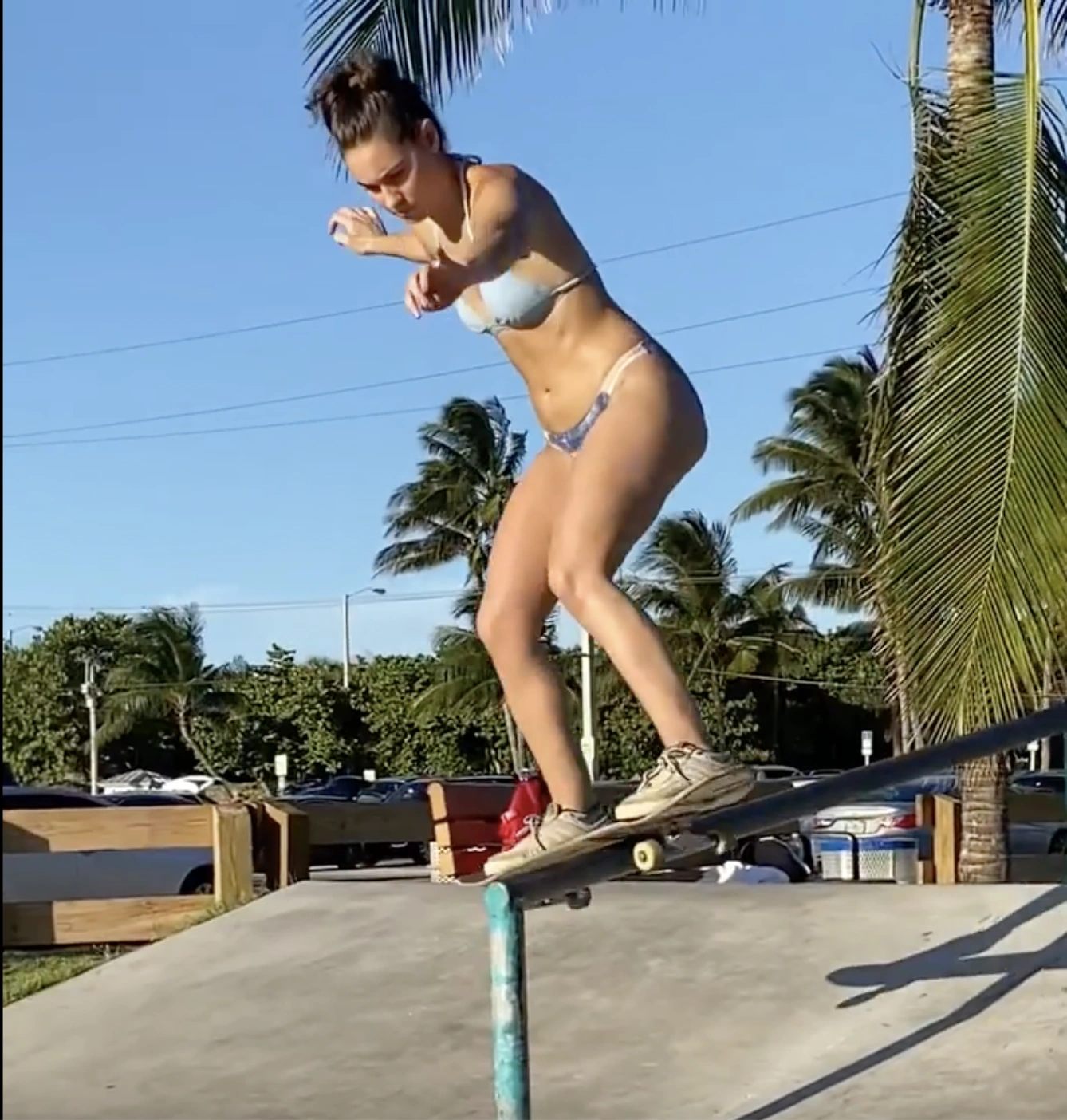
Skateboard grinds come in many types, like 50-50, boardslide, and smith grind. Each grind has its own balance and foot placement. Practicing these helps improve control and style on your board.
50-50 Grind
50-50 grindmeans both trucks slide on the edge. It is the easiest grind to try first. Balance is key. Keep your body centered over the board. Start slow and build confidence.
Boardslide
In a boardslide, the middle of your deck slides along the rail or ledge. Approach the obstacle at an angle. Ollie onto it and keep your weight steady. This trick feels smooth and fun.
Nosegrind And Tailgrind
Nosegrinduses the front truck to slide, while tailgrinduses the back truck. Both need good balance and control. Shift your weight slightly forward for nosegrind and backward for tailgrind. Practice on low rails first.
Credit: www.youtube.com
Step-by-step Grind Techniques
Begin by approaching the rail or ledge with steady speed. Pop the board and slide the trucks along the surface, keeping your balance. Land smoothly by bending your knees to absorb the impact.
Approaching The Obstacle
Keep your eyes on the rail or ledge. Ride at a steady speed. Stay relaxed and balanced. Bend your knees slightly to prepare for the jump. Make sure your board is straight as you get closer.
Executing The Ollie Onto The Rail
Pop the tail of your skateboard down hard. Jump up and bring the board with you. Aim to land both trucks on the rail or ledge. Keep your feet firm on the board during the move.
Balancing During The Grind
Keep your weight centered over the board. Use your arms to stay steady. Look straight ahead, not down. Small adjustments with your feet help maintain balance. Stay calm and focused.
Landing Safely
Prepare to come off the rail by bending your knees. Land with both feet over the bolts. Absorb the impact with your legs. Roll away smoothly to keep your speed. Practice makes safe landings easier.
Common Mistakes To Avoid
Poor foot placementcan cause loss of balance and failed grinds. Keep your feet firmlyon the board. Front foot near the bolts and back foot on the tail help control the board better.
Lack of commitmentmeans hesitation. This leads to falling or slipping off the grind. Confidenceand steady movementare key to completing a grind.
Improper speedaffects your balance. Too slow can make the board stop suddenly. Too fast makes it harder to control. Find a comfortable speedthat keeps the board moving smoothly.
Building Confidence Fast
Building confidence helps you try new skateboard tricks. Start with simple drills that focus on balance and control. Practice sliding on edges and small rails first. This builds skill step-by-step.
- Visualize the grind before trying it.
- Picture yourself sliding smoothly.
- Imagine landing safely.
Fear can slow progress. Take deep breaths before each attempt. Remind yourself that falling is part of learning. Small wins build courage quickly.
Advanced Grind Tricks
The Crooked Grindis a tricky grind where the front truck locks on the rail. The back truck hangs off the side. Balance is key. Approach the rail at a slight angle. Ollie onto the rail and lean slightly forward.
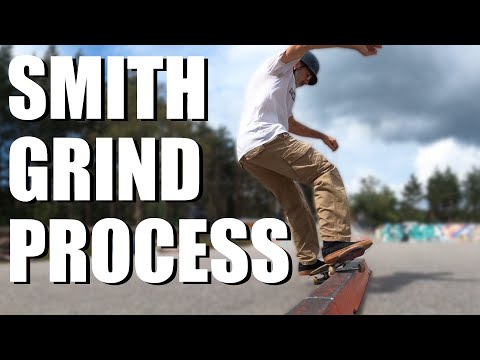
The Smith Grindhas the back truck grinding on the rail. The front truck is dipped down beside the rail. Keep your weight on the back foot. This grind looks smooth and stylish. It’s easier to do on a ledge than a rail.
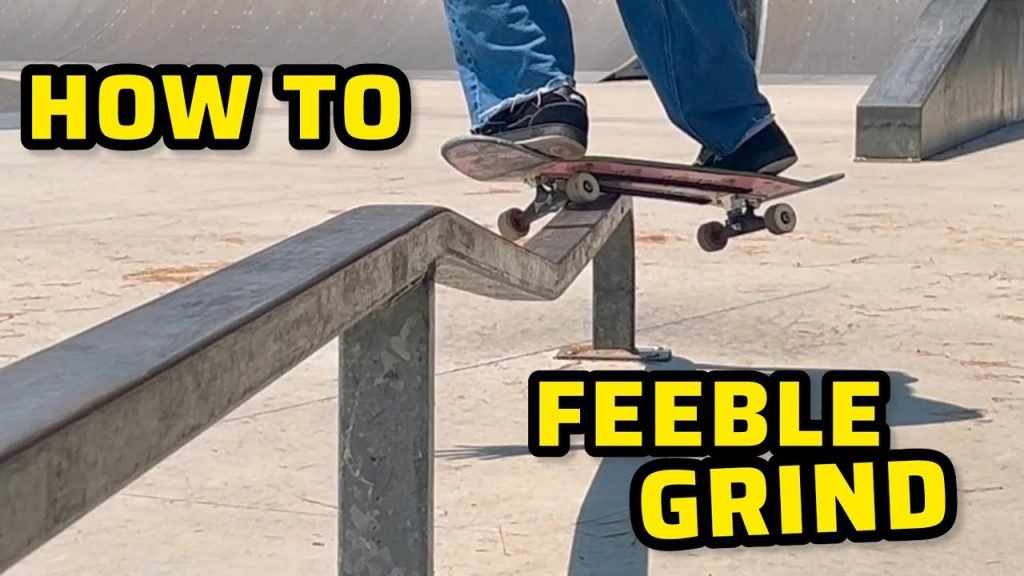
The Feeble Grindis like the Smith but reversed. The front truck grinds the rail, and the back truck hangs off the other side. It feels a bit unstable at first. Keep your knees bent and eyes on the landing.
Maintaining Your Skateboard
Keep your skateboard clean for the best performance. Dirt and dust can slow down your ride and wear out parts faster. Use a soft brush or cloth to wipe the deck and wheels. Tighten loose bolts with a skate tool or wrench to avoid accidents. Check regularly to keep everything secure.
Replace worn parts like wheels, bearings, or grip tape to keep your board smooth. Worn wheels reduce grip and can cause slipping. Old bearings make your wheels spin slower. Grip tape loses stickiness over time, affecting your balance.
| Storage Tips | Why It Matters |
|---|---|
| Keep skateboard indoors | Protects from rain and sun damage |
| Store on a flat surface | Prevents warping of the deck |
| Avoid heavy objects on board | Keeps deck from cracking or bending |
Credit: skateboarding.fandom.com
Frequently Asked Questions
What Is A Skateboard Grind?
A skateboard grind is a trick where the rider slides along an edge, such as a rail or ledge, using the skateboard’s trucks. This move requires balance and control, offering a stylish addition to any skater’s repertoire. Mastering grinds can enhance your skateboarding skills significantly.
How Do I Start Learning To Grind?
Begin by practicing on a small, stable ledge or rail. Ensure you have the basics of balance and control down. Approach the ledge at a comfortable speed. Use your front foot to guide the board onto the rail and maintain your balance throughout.
What Safety Gear Is Recommended For Grinding?
When learning to grind, wear a helmet, knee pads, elbow pads, and wrist guards. These protect against falls and injuries. Safety gear is crucial for beginners and experienced skaters alike. Investing in quality gear ensures better protection and boosts your confidence.
Which Skateboard Setup Is Best For Grinding?
A skateboard with durable trucks and a hard deck is ideal. Choose wheels with a hardness rating of at least 95A for better slide. Ensure your board is well-maintained, as a sturdy setup is essential for performing grinds safely and effectively.
Conclusion
Skateboard grinding takes practice and patience to learn well. Start slow and focus on balance and control. Use safety gear every time you try a grind. Watch others and learn from their moves. Keep trying, even if you fall sometimes.
Each attempt helps you get better. Enjoy the process and have fun skating. Soon, you will feel more confident grinding on rails. Keep practicing, and your skills will grow steadily.