

Is your heavy duty slicer blade not cutting like it used to? A dull blade can slow you down, make your work harder, and even damage your slicer.
But sharpening it yourself doesn’t have to be complicated or risky. In this guide, you’ll learn simple, effective steps to bring your slicer blade back to life. Keep reading, and you’ll save time, money, and get perfect cuts every time.
Ready to make your slicer blade sharp and reliable again? Let’s dive in!
Choosing The Right Tools
Different types of sharpeners suit various blade needs. Whetstonesoffer precise control and smooth edges. Electric sharpenersare faster but less gentle. Manual sharpenersare easy to use and portable. Choose based on blade size and sharpness level.
Some important accessories help keep blades sharp and safe. A blade guideholds the blade steady during sharpening. Protective glovesprevent cuts. A clean clothwipes away metal dust. A lubricantor water keeps the stone smooth and cool.
Preparing The Blade
Clean the blade thoroughly to remove dirt and grease before sharpening. Ensure the blade is dry and securely fixed for safe handling. Check for any damage or rust that may affect sharpening quality.
Cleaning Techniques
First, unplug the slicer for safety. Use a soft cloth to wipe the blade. Remove any food particles stuck on the surface. Soak the cloth in warm soapy water. Gently scrub the blade’s edges. Rinse the blade with clean water. Dry it completely with a clean towel. Ensure no moisture remains on the blade. Moisture can cause rust, which dulls the blade.
Safety Precautions
- Wear cut-resistant gloves to protect your hands.
- Always handle the blade with care.
- Keep the blade away from your body while cleaning.
- Ensure the slicer is unplugged before touching the blade.
- Store the blade in a safe, dry place.
Sharpening Techniques
Manual sharpening needs steady hands and patience. Use a sharpening stone with coarse grit first. Hold the blade at a 20-degree angle. Slide the blade gently across the stone. Repeat this motion evenly on both sides. Clean the blade to remove metal particles. Finish with a fine grit stone for a smooth edge.
Electric sharpeners save time and effort. Insert the blade carefully into the machine slot. Turn on the sharpener and let it do the work. Pull the blade slowly through the sharpener a few times. Check the blade edge for sharpness. Wipe the blade clean before use.

Credit: imarku.net
Maintaining Blade Sharpness
Regular cleaningkeeps the blade free from food and dirt. Use a soft cloth and warm water to wipe the blade after each use. Avoid harsh chemicals that can damage the metal. Dry the blade completely to stop rust from forming. This simple habit helps the blade stay sharp longer.
Proper storageprotects the blade from dulling and accidents. Store the slicer blade in a dry place. Use a blade cover or sheath to shield the edge. Keep it away from other tools to avoid scratches. Correct storage extends the blade’s life and keeps it ready for use.
Troubleshooting Common Issues
Nicks and chipson slicer blades can cause uneven cuts. Use a fine sharpening stone or diamond file to gently smooth the damaged areas. Avoid removing too much metal to keep the blade balanced. Work slowly and check often.
Blade warping happens from heat or too much pressure. To prevent warping, always sharpen using steady, light strokes. Keep the blade cool by dipping it in water between strokes. Store the blade flat and avoid dropping it.
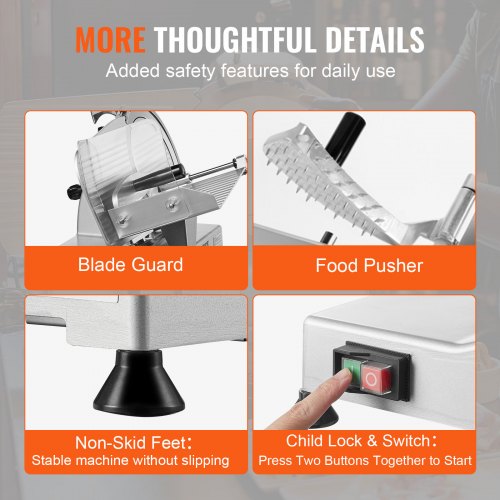
Credit: www.vevor.ca
Professional Sharpening Services
Professional sharpening services help keep heavy duty slicer bladessharp and safe. Experts have the right tools and skills to sharpen blades precisely. This saves time and effort. They also inspect blades for damage that may need repair.
Seek experts if your blade is dull, chipped, or damaged. Also, if you lack the right tools or experience, professional help is best. Regular sharpening by experts keeps slicers working well and lasts longer.
| Cost | Benefits |
|---|---|
| Usually low to moderate | Sharper blade, safer use, longer blade life |
| May vary by blade size and condition | Time saved and less risk of injury |
| Often includes inspection and minor repairs | Better cutting performance and food quality |

Credit: nobliecustomknives.com
Frequently Asked Questions
How Often Should I Sharpen A Heavy Duty Slicer Blade?
Sharpen your slicer blade every 1 to 3 months, depending on usage. Frequent sharpening ensures clean cuts and extends blade life. Check blade sharpness regularly to avoid dullness that affects performance and safety.
What Tools Are Needed To Sharpen A Slicer Blade?
You need a sharpening stone or diamond file, honing oil, and a cloth. A sharpening jig can help maintain the correct blade angle. These tools ensure precise and safe sharpening for heavy duty slicer blades.
Can I Sharpen A Heavy Duty Slicer Blade At Home?
Yes, you can sharpen it at home using proper tools and techniques. Follow safety guidelines and maintain the blade angle for effective sharpening. Regular home sharpening saves time and keeps your slicer efficient.
How Do I Maintain The Blade After Sharpening?
Clean the blade thoroughly and apply a light coat of oil to prevent rust. Store the slicer in a dry place and use a blade guard. Proper maintenance prolongs sharpness and blade life.
Conclusion
Sharpening a heavy duty slicer blade keeps it safe and effective. Regular sharpening saves time and avoids dull cuts. Use the right tools and follow steps carefully. Check the blade often to keep it sharp. A sharp blade makes slicing easier and cleaner.
Maintain your slicer for better performance every day. Small efforts lead to big improvements in your kitchen. Keep your blade sharp to enjoy smooth, precise cuts.