
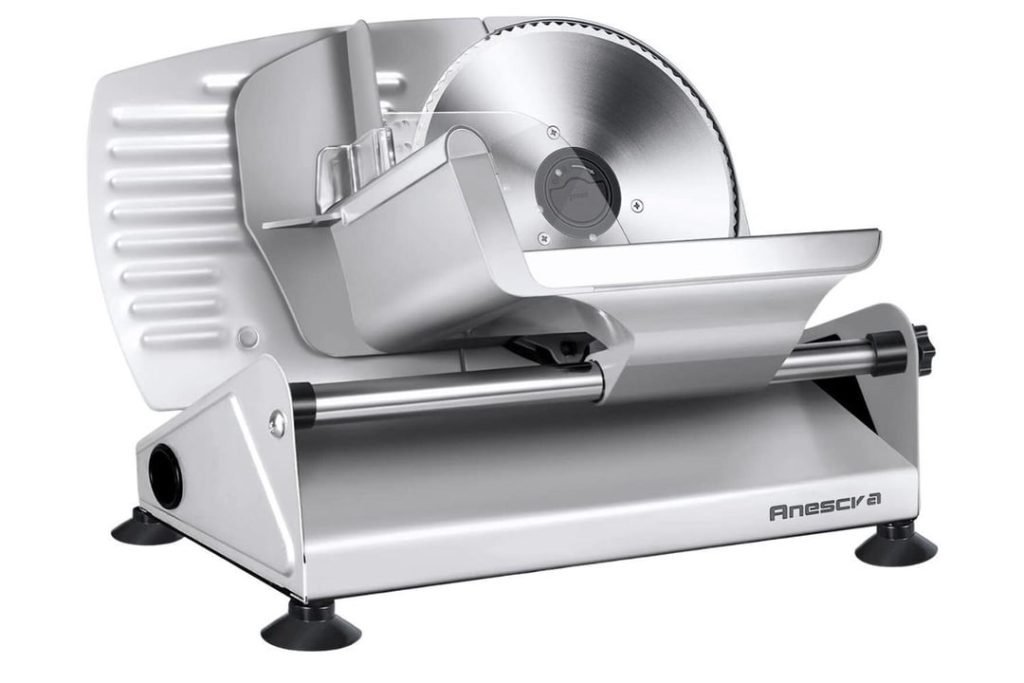
Your electric meat slicer blade plays a big role in making your slicing quick, smooth, and precise. But when it gets dull, you’ll notice uneven cuts and more effort needed on your part.
You don’t want that. Imagine slicing through your favorite meats effortlessly, every single time. That’s exactly what you’ll achieve when your blade is sharp and ready. You’ll discover simple, effective steps to sharpen your electric meat slicer blade. Follow along, and you’ll keep your slicer working like new—saving you time and making your meals better.
Ready to get started? Let’s dive in!
Credit: www.vevor.ca
Choosing The Right Tools
Choosing the right tools is key for a sharp electric meat slicer blade. Different sharpening stones suit various blade types. Common stones include diamond, ceramic, and water stones. Diamond stones are tough and fast. Ceramic stones give a smooth finish. Water stones are gentle and need soaking before use.
Using a honing rod helps keep the blade edge aligned. It does not remove metal but straightens the edge. Use light, even strokes along the blade angle. This keeps the blade sharp between full sharpenings.
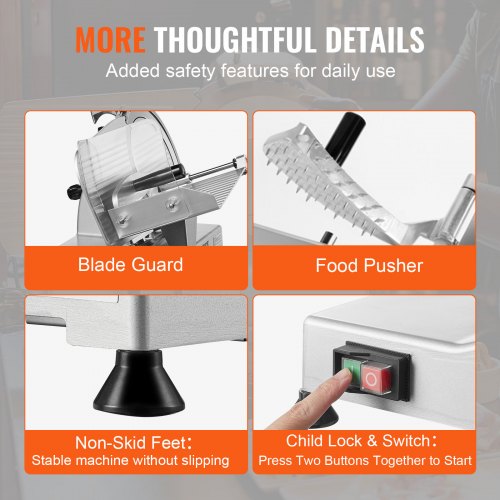
Safety gear is essential. Wear cut-resistant glovesto protect hands. Use safety glasses to guard eyes from metal shards. Always unplug the slicer before sharpening to avoid accidents.
Preparing The Meat Slicer
First, unplug the meat slicer to stay safe. Carefully disassemble the slicer, separating the blade from the machine. Keep all parts in a safe place. This helps prevent losing any small pieces. Use a manual if needed to guide you through the steps.
Use warm water and mild soap to clean the blade. Gently scrub away any food particles. A soft cloth works best. Rinse the blade thoroughly with water. Dry the blade completely to avoid rust. Clean parts ensure a sharp blade.
Look closely at the blade for nicks or cracks. A damaged blade needs replacement. It won’t cut properly. Check the blade’s edge for smoothness. A smooth edge is crucial for a sharp cut. If any damage is seen, consider consulting a professional.
Sharpening Techniques
Manual sharpening requires care and patience. First, unplug the slicer and remove the blade. Use a whetstone or sharpening stone. Hold the blade at a consistent angleand slide it gently across the stone. Repeat on both sides until the edge feels sharp. Clean the blade before reattaching it.
Using a sharpening machine is faster. Place the blade securely in the machine. Turn it on and let the grinder touch the blade edge. Move it evenly to avoid uneven sharpening. Always follow the machine’s instructions for safety and best results.
| Tip | Details |
|---|---|
| Correct Angle | Keep blade angle between 20° and 30° for best sharpness |
| Consistent Pressure | Apply gentle, even pressure during sharpening |
| Clean Blade | Wipe blade to remove metal dust and debris after sharpening |
Credit: www.vevor.ca
Testing The Sharpness
Begin with a close lookat the blade edge. Check for nicks, dull spots,or rust. A shiny, even edgemeans the blade is sharp. Dull blades often have a matte finishand visible damage.
Test sharpness by slicing through different materials. Try thin paper, soft vegetables, or deli meats. A sharp blade cuts cleanly and smoothly. If it tears or crushes, sharpening is needed.
- Slice a piece of paper without tearing.
- Cut a tomato without squashing it.
- Try slicing deli meat in thin, even layers.
Check for even slicingand minimal effort. Sharp blades save time and make safer cuts.
Maintaining Blade Sharpness
Keeping the blade clean after each use stops food bits from building up. Use a soft cloth and warm soapy water. Avoid harsh scrubbing that can damage the blade. Dry the blade fully to stop rust.
Store the slicer in a dry place. Cover the blade with its guard or a cloth to protect it. Avoid places with high humidity or dust.
| Sign | Action |
|---|---|
| Blade slips or drags | Sharpen or replace the blade |
| Blade shows chips or cracks | Replace immediately for safety |
| Slices are uneven or torn | Sharpen the blade carefully |
Credit: www.vevor.ca
Troubleshooting Common Issues
Uneven sharpeninghappens when the blade does not get a smooth edge. This may cause slices to be thick or thin. Make sure the blade is clean and dry before sharpening. Check the sharpener angle and pressure. Sharpen slowly and evenly around the blade for a balanced edge.
Blade vibration problemscan make cutting unsafe. Vibration often means the blade is loose or bent. Tighten the blade carefully or replace it if bent. Also, check the motor and machine parts for wear. A steady blade cuts better and safer.
Handling rust and corrosionis important for blade life. Use a soft cloth and mild cleaner to remove rust. Avoid harsh chemicals that damage the metal. Dry the blade well after cleaning to stop rust return. Regular oiling helps protect the blade from moisture and rust.
Frequently Asked Questions
How Often Should I Sharpen An Electric Meat Slicer Blade?
Sharpen your electric meat slicer blade after every 20 to 30 hours of use. Regular sharpening maintains cutting efficiency and safety. Frequent sharpening prevents blade damage and ensures smooth slicing of meats and cheeses.
What Tools Are Needed To Sharpen A Slicer Blade?
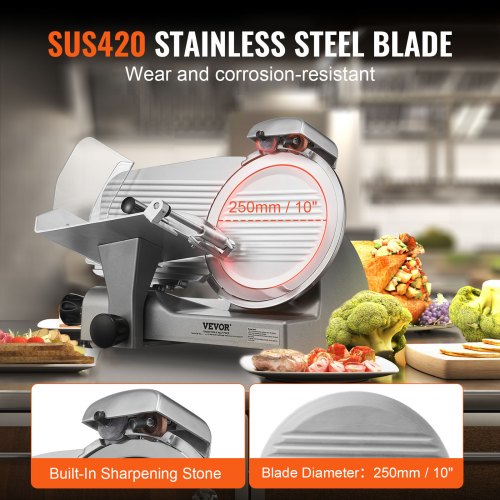
You need a sharpening stone or diamond sharpener, a cleaning cloth, and safety gloves. Some slicers come with built-in sharpeners, which simplify the process. Proper tools ensure effective and safe blade sharpening.
Can I Sharpen The Blade Without Removing It?
Yes, many electric slicers have built-in sharpeners for in-place sharpening. Follow the manufacturer’s instructions carefully to avoid damage. Removing the blade is only necessary for deep or professional sharpening.
How Do I Clean The Blade Before Sharpening?
Unplug the slicer and remove residue with a soft cloth and warm soapy water. Dry the blade completely to prevent rust during sharpening. Clean blades sharpen more evenly and last longer.
Conclusion
Sharpening your electric meat slicer blade keeps it working well and safe. Regular care makes slicing easier and faster. Always follow safety steps to avoid accidents. Use the right tools and take your time. A sharp blade helps cut clean, neat slices every time.
Keep your slicer in good shape for longer use. Simple maintenance saves you money and effort. Try these tips and enjoy better slicing results.