
If you use a commercial slicer regularly, you know how important it is to keep the blade sharp. A dull blade makes slicing harder, slower, and even dangerous.
But how do you sharpen your commercial slicer safely without risking injury or damaging the machine? In this guide, you’ll discover simple, step-by-step tips to sharpen your slicer quickly and securely. By following these easy methods, you’ll save time, improve your slicing quality, and protect yourself from accidents.
Keep reading to make sure your slicer stays in top shape and works like new every time you use it.
Choosing The Right Sharpening Tools
Commercial slicers need the right toolsfor sharpening. There are a few types of sharpeners designed for these blades:
- Whetstonesare popular for a smooth edge. They come in different grits.
- Sharpening rodsoffer quick touch-ups but less precision.
- Electric sharpenerssave time but must be used carefully to avoid damage.
Selecting the best grit depends on the blade’s condition. Coarse grit(around 220) works for very dull blades. Medium grit(around 400) is good for regular sharpening. Fine grit(above 1000) polishes the edge for a sharp, smooth cut.
Using the correct grit helps keep the blade sharp longer and prevents wear. Always match the sharpener’s grit to your blade’s needs for best results.
Preparing The Slicer For Sharpening
Ensure the slicer is unplugged and clean before sharpening. Remove any food debris and dry the blade completely for safety. Wear cut-resistant gloves to protect your hands during preparation.
Cleaning And Disassembling The Blade
First, unplug the slicer to stay safe. Use a soft cloth to wipe the blade. Remove any food bits stuck on it. It’s important to keep the blade clean. Disassemble the blade carefully. Follow the slicer’s instructions. This helps you reach all parts of the blade.
Ensuring Safety Precautions
Wear safety gloves to protect your hands. Keep fingers away from the blade. Make sure the work area is bright and tidy. Have a first-aid kit nearby. If you feel unsure, ask an adult for help. Safety is important when handling sharp objects.
Step-by-step Sharpening Process
Position the blade on a flat, stable surface. Make sure it does not move during sharpening. This keeps the blade steady and safe to handle.
Hold the sharpening tool at the correct angle. Usually, a 20-degree angle works best for slicer blades. Keeping this angle helps the blade regain sharpness evenly.
- Use smooth, even strokes along the blade edge.
- Keep the pressure consistent for better results.
- Sharpen both sides of the blade equally to maintain balance.

Credit: factorypure.com
Testing The Blade Sharpness
Testing blade sharpness is a quick way to ensure safe slicing.
Performing a paper test helps check if the blade cuts cleanly.
- Hold a piece of thin paper steady.
- Slowly slice the paper with the blade.
- A sharp blade cuts smoothly without tearing.
- If the paper tears or drags, the blade needs sharpening.
Checking for smooth slicing ensures meat or vegetables cut easily.
- Slice a soft food item carefully.
- Notice if the blade moves without resistance.
- A smooth cut means the blade is sharp and safe.
- Uneven or rough cuts indicate dullness or damage.
Maintaining The Slicer Blade
Keeping the slicer blade clean is very important. Food bits can stick and cause rust. Use a soft cloth and warm water to clean it after each use. Avoid harsh chemicals that can damage the blade.
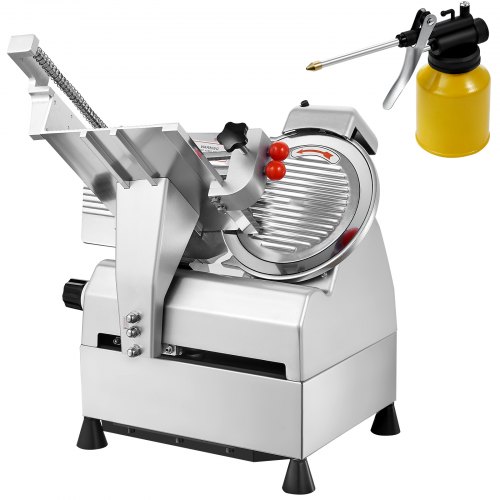
Lubrication helps the blade move smoothly. Apply a small amount of food-safe oil to the moving parts. This prevents wear and keeps the slicer working well.
| Task | Frequency | Details |
|---|---|---|
| Cleaning | After each use | Remove food debris and wipe blade dry |
| Lubrication | Weekly | Apply food-safe oil on moving parts |
| Sharpening | Monthly or as needed | Keep blade edge sharp for safe slicing |
Credit: www.vevor.com
Common Mistakes To Avoid
Over-sharpening the bladecan cause serious problems. Too much sharpening wears down the blade quickly. It also changes the shape, making slicing uneven. Sharpen only when the blade feels dull. Use light, even strokes for best results. Excess sharpening leads to more frequent replacements and higher costs.
Ignoring safety measuresrisks injury. Always unplug the slicer before sharpening. Wear cut-resistant gloves to protect hands. Use proper tools designed for slicer blades. Follow the manufacturer’s instructions carefully. Safety keeps the process smooth and prevents accidents.

Credit: www.braher.com
Frequently Asked Questions
How Often Should I Sharpen A Commercial Slicer?
Sharpen your commercial slicer after every 20 to 30 hours of use. Regular sharpening ensures clean cuts and extends blade life. Frequent maintenance prevents food contamination and reduces wear on the slicer motor.
What Safety Gear Is Needed When Sharpening Slicer Blades?
Always wear cut-resistant gloves and safety goggles when sharpening slicer blades. These protect your hands from accidental cuts and eyes from metal filings. Using proper safety gear minimizes injury risks during the sharpening process.
Can I Sharpen A Commercial Slicer Blade At Home?
Yes, you can sharpen a commercial slicer blade at home if you follow safety steps. Use a sharpening stone or machine designed for slicer blades. Ensure the slicer is unplugged and cleaned before sharpening.
What Tools Are Best For Sharpening Slicer Blades?
A whetstone, diamond sharpener, or electric blade sharpener are best for commercial slicer blades. Choose tools that match your slicer’s blade size and type. Proper tools provide a smooth, precise edge without damaging the blade.
Conclusion
Sharpening a commercial slicer keeps it working well and safe. Always use the right tools and follow safety steps. Keep your hands clear from blades while sharpening. Regular sharpening saves time and keeps slices even. Clean the slicer after every use to avoid buildup.
With care and attention, your slicer lasts longer. Sharp blades make cutting easier and safer. Stay patient and focused during the process. Safe sharpening protects you and your kitchen team.