
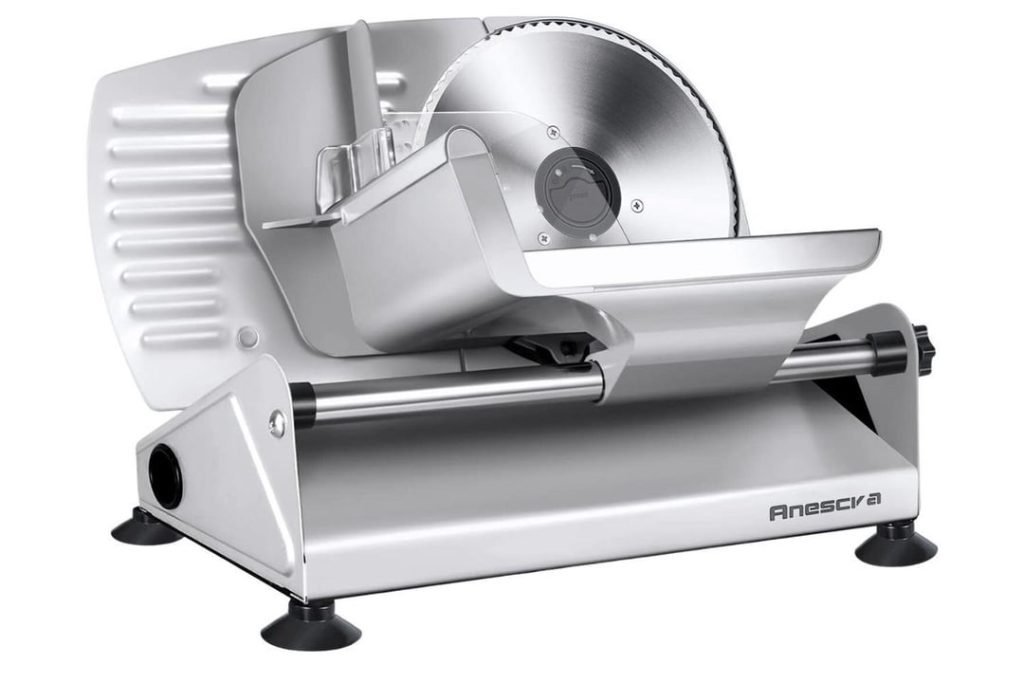
If you own a commercial slicer, you know how important it is to keep the blade sharp. A dull blade not only makes your work harder but also affects the quality of your cuts.
You might think sharpening is complicated or risky, but it doesn’t have to be. In this guide, you’ll discover simple, step-by-step methods to sharpen your commercial slicer blade safely and effectively. By the end, you’ll save time, improve your slicing precision, and get the best from your equipment every day.
Ready to make your slicer blade sharp again? Let’s dive in.
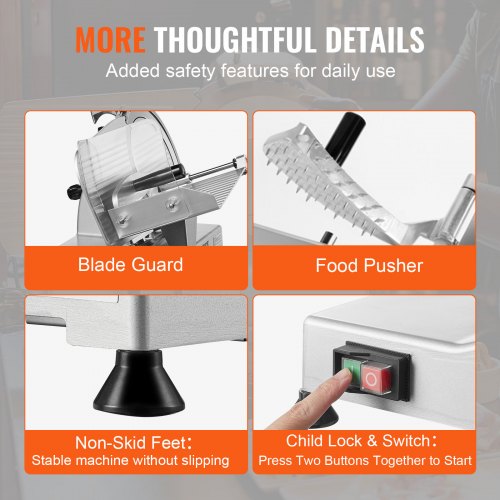
Credit: www.vevor.ca
Choosing The Right Tools
Different devices help keep slicer blades sharp. A whetstone is a popular choice. It is simple and effective. Electric sharpeners are also available. They sharpen blades quickly. Honing rods are another option. They maintain the blade’s edge. Each tool has its own benefits. Choose the right one for your needs.
Always use safety gear when sharpening blades. Gloves protect your hands from cuts. Wear goggles to shield your eyes. An apron keeps clothes clean. Safety is very important. Protect yourself every time. Make sure your work area is well-lit. It helps you see better. Always be careful while working.

Credit: prosharpeningsupply.com
Preparing The Slicer Blade
Start by unplugging the slicer to ensure safety. Use a soft cloth and warm soapy water to clean the blade carefully. Remove any food particles or grease. This prevents damage during sharpening.
Next, dry the blade completely to avoid rust. Use a clean, dry cloth for this task. Avoid using abrasive materials that can scratch the blade.
To remove the blade, consult the slicer’s manual for specific instructions. Usually, you need to unlock a safety guard or unscrew a knob. Handle the blade with care to avoid cuts.
Place the blade on a soft surface once removed. This keeps it safe and prevents damage. Always wear cut-resistant gloves during this process for extra protection.
Sharpening Techniques
Hold the sharpening stone firmly and wet it with water. Move the blade edge across the stone at a consistent angle, usually 20 degrees. Use gentle, even strokes. Repeat several times on each side for a sharp edge. Wipe the blade clean after sharpening.
Use a honing rod to keep the blade sharp between full sharpenings. Hold the rod vertically. Draw the blade down the rod at a 20-degree angle. Alternate sides with smooth, light strokes. This realigns the blade’s edge without removing much metal.
| Electric Sharpener Step | Description |
|---|---|
| Prepare | Unplug the sharpener and clean the blade before use. |
| Position | Insert the blade carefully into the sharpener slot. |
| Sharpen | Turn on the device and pull the blade through slowly and evenly. |
| Finish | Turn off the sharpener and clean the blade after sharpening. |
Maintaining Blade Sharpness
A regular cleaning schedulekeeps the slicer blade sharp and safe. Wipe the blade after each use to remove food particles. Use warm water and mild soap for a thorough clean. Avoid harsh chemicals as they can damage the blade. Dry the blade completely to stop rust from forming.
Proper storage is key to maintaining blade sharpness. Store the blade in a dry place to prevent moisture buildup. Use a blade guard or cover to protect it from nicks and damage. Keep the slicer in a secure area away from heavy objects that could hit it.
Troubleshooting Common Issues
Nicks and chipson slicer blades cause uneven cuts. Use a fine sharpening stoneto smooth out small imperfections. For bigger chips, consider professional repairto avoid blade damage. Always clean the bladebefore sharpening to remove debris and prevent scratches.
Avoid over-sharpeningby limiting the number of passes on the blade edge. Too much sharpening can thin the blade, making it weak and unsafe. Use a light touchand check the sharpness often. Stop sharpening once the blade feels sharp and smooth.
Expert Tips For Longevity
Keep a regular schedule for sharpening to maintain sharp blade edges. Sharpening too often can wear out the blade quickly. Sharpening too little leads to dull cuts and unsafe operation.
Check the blade condition after heavy use or every few weeks. Balance is key—sharp blades cut smoothly and last longer.
- Observe blade performance daily.
- Schedule sharpening every 4-6 weeks based on use.
- Adjust frequency if the blade dulls faster.
Professional sharpening services offer precise and safe blade care. Experts use special tools to keep the blade edge perfect.
Benefits of using professionals:
- Consistent blade sharpness
- Proper angle and edge maintenance
- Reduced risk of blade damage
- Time-saving and hassle-free

Credit: www.vevor.ca
Frequently Asked Questions
How Often Should I Sharpen A Commercial Slicer Blade?
Sharpen your commercial slicer blade every 1 to 2 weeks for optimal performance. Frequent sharpening ensures clean cuts and prevents blade damage. Adjust frequency based on usage intensity and food types sliced.
What Tools Are Needed To Sharpen A Slicer Blade?
You need a sharpening stone or a commercial blade sharpener. A cleaning cloth and safety gloves are also essential. These tools help maintain blade sharpness safely and efficiently.
Can I Sharpen The Slicer Blade Without Removing It?
Yes, many commercial slicers allow blade sharpening without removal. Use the built-in sharpening system or carefully use a sharpening stone. Follow manufacturer instructions to avoid injury or blade damage.
How Do I Maintain Slicer Blade Sharpness Longer?
Clean the blade after each use and sharpen regularly. Avoid cutting hard materials that dull the blade quickly. Proper storage and lubrication also extend blade life and sharpness.
Conclusion
Sharpening your commercial slicer blade keeps it cutting smoothly and safely. Regular care saves time and money on replacements. Use the right tools and follow simple steps for best results. Always handle the blade carefully to avoid injuries. A sharp blade improves food quality and work speed.
Take a little time to maintain your slicer often. It makes a big difference in your kitchen’s daily work. Keep your blade sharp and enjoy easier slicing every day.