
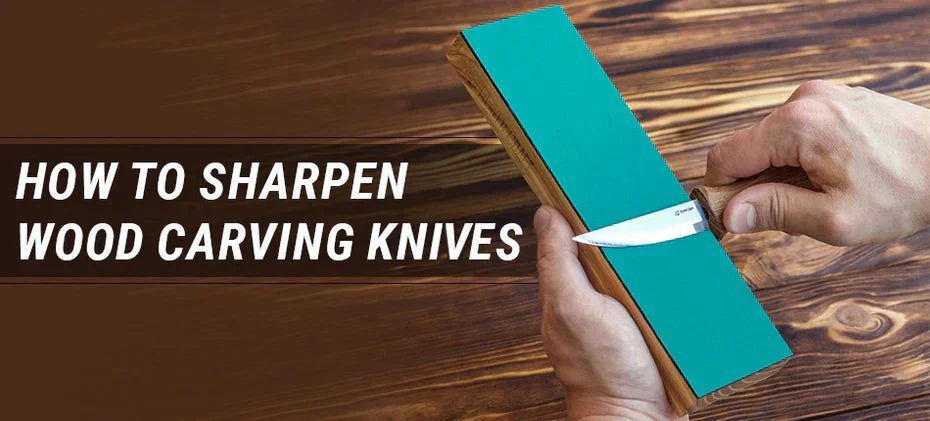
If you’ve ever tried your hand at carving, you know that a sharp knife is your best friend. A dull blade not only makes your task more challenging but also increases the risk of slipping and causing injury.
Imagine the satisfaction of a smooth, precise cut every time you carve. That’s what a properly sharpened carving knife can do for you. In this guide, you’ll discover simple and effective techniques to keep your carving knives razor-sharp. By the end, you’ll feel more confident and safe, ready to take on any carving project with ease.
Ready to transform your carving experience? Let’s get started!

Credit: m.youtube.com
Choosing The Right Sharpening Tools
Choosing sharpening tools that fit your knife’s size and blade type ensures effective results. Fine grit stones or honing rods work best for carving knives. Using the right tool keeps blades sharp and safe for detailed cuts.
Whetstones And Their Grit Levels
Whetstonescome in different grit levels for sharpening knives. Coarse grits (200-600) fix very dull blades. Medium grits (800-2000) sharpen edges well. Fine grits (3000-8000) polish and refine the blade for a sharp finish. Use water or oil to lubricate the stone. Always sharpen at a consistent angle for best results.
Using Honing Rods
Honing rodsdo not sharpen but keep edges straight. Use them often to maintain blade sharpness. They are easy to use and safe. Steel rods are common, but ceramic rods remove small burrs too.
Electric Sharpeners: Pros And Cons
| Pros | Cons |
|---|---|
| Quick and easy to use | Can remove too much metal |
| Good for beginners | May damage delicate blades |
| Consistent sharpening angle | Less control over sharpness |
Leather Strops For Finishing
Leather stropspolish edges and remove tiny burrs. They make the blade very smooth. Use stropping compound for better results. Stropping helps keep knives sharp longer after sharpening.
Preparing Your Knife For Sharpening
Start by cleaning the blade. Use warm water and mild soap to remove dirt and grease. Dry the knife well to prevent rust.
Next, inspect the blade for damage. Look for chips, cracks, or dull spots. Small issues can be fixed during sharpening. Large damage may need professional help.
Prepare a safe workspace. Choose a flat, stable surface with good lighting. Keep your hands dry and free from oil. Clear the area of clutter to avoid accidents.
Sharpening Techniques
Choose the right angleto sharpen carving knives. Usually, a 20-degree angleworks best for sharp and smooth edges. Keeping this angle steady helps the blade cut better.
Start by wetting the sharpening stone with water. Move the knife edge across the stone, holding the chosen angle. Use slow, even strokesto avoid damaging the blade. Flip the knife and repeat on the other side.
Apply gentle pressurewhen sharpening. Too much force can harm the blade or stone. Keep your hand steady and press just enough to feel the stone’s surface.
Check the knife’s sharpness regularly. Feel the edge carefully or try cutting a piece of paper. Stop sharpening once the blade cuts smoothly and cleanly.

Credit: www.familyhandyman.com
Honing And Stropping
Honing keeps the knife’s edge straight and sharp between sharpenings. Use a honing rod regularly to maintain blade performance. The best time to hone is before or after each use, especially if the blade feels dull.
Hold the honing rod vertically with its tip on a stable surface. Place the knife at a 15-20 degree angle against the rod. Gently pull the blade down and across the rod, from heel to tip. Repeat on both sides evenly, about 5-10 strokes each.
Stropping polishes the edge, making it very sharp. Use a leather strop or a smooth surface with stropping compound. Pull the blade away from the edge, not towards it. Stropping refines the blade to a razor finish after honing or sharpening.
Common Mistakes To Avoid
Over-sharpeningcan wear down the blade quickly. This makes the knife weak and less sharp over time. Sharpen only when the blade feels dull to keep it strong.
Holding the blade at the wrong anglecauses uneven sharpening. Keep the blade at a steady angle, usually between 15 and 20 degrees. This helps keep the edge smooth and sharp.
Using dull or damaged toolscan harm your knife. Always check your sharpening stones or tools before use. Sharp tools give better results and prevent damage to your carving knife.
Maintaining Sharpness Over Time
Keep knives dry and store them in a knife blockor on a magnetic strip. Avoid tossing knives in drawers to prevent dulling and chipping. Use a blade guard if storing knives in a drawer.
Hone knives every 1-2 weeks to maintain a sharp edge. Use a honing rod at a 20-degree angle. This keeps the blade aligned and cuts smoothly.
- Cut on soft surfaces like wood or plastic, not glass or stone.
- Avoid twisting the blade while cutting hard items.
- Clean knives carefully to avoid chips or nicks.
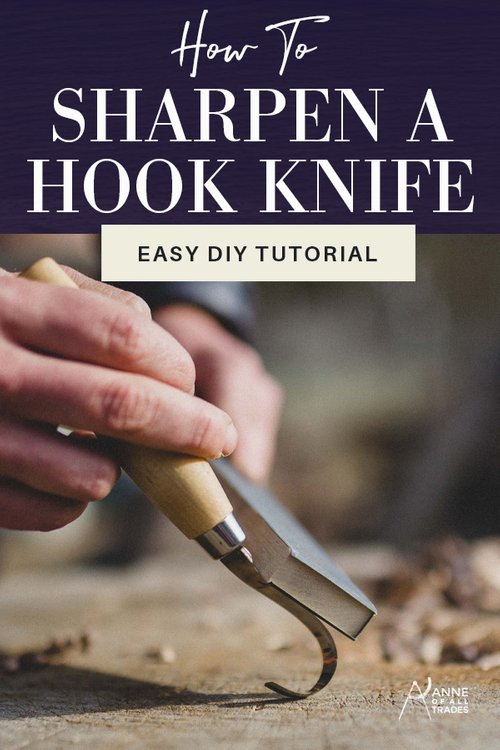
Credit: www.anneofalltrades.com
Frequently Asked Questions
How Often Should I Sharpen Carving Knives?
Sharpen carving knives after every few uses to maintain precision. Frequent sharpening prevents dull edges and ensures smooth cuts. Regular honing can extend sharpness between full sharpening sessions. Proper maintenance increases knife lifespan and improves carving quality.
What Tools Are Best For Sharpening Carving Knives?
Use a whetstone or sharpening stone for best results. Honing rods help maintain edge between sharpenings. Electric sharpeners can work but may remove too much metal. Choose tools suitable for your knife’s blade type and steel.
Can I Sharpen Carving Knives At Home Safely?
Yes, sharpening at home is safe with proper technique. Use stable surfaces and appropriate sharpening tools. Follow step-by-step instructions carefully to avoid injury or blade damage. Practice on less expensive knives before sharpening high-quality ones.
What Angle Should I Use When Sharpening Carving Knives?
Maintain a sharpening angle between 15 to 20 degrees. This angle ensures a sharp, durable edge ideal for carving. Consistency in angle during sharpening improves edge quality and knife performance. Use guides if unsure about maintaining correct angle.
Conclusion
Sharpening carving knives keeps them working well and safe to use. Regular care stops dull edges and makes cutting easier. Use the right tools and follow steps carefully. Take your time and check the blade often. Sharp knives give better results and last longer.
Practice a little each time to improve your skill. Keep your knives sharp to enjoy cooking more. Simple habits make a big difference in your kitchen.