
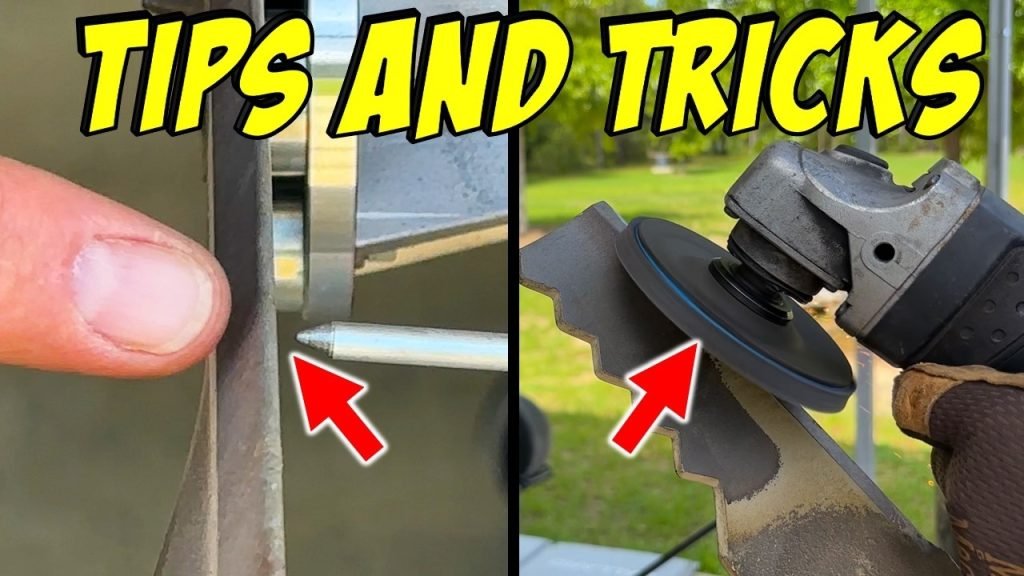
Is your lawn mower not cutting the grass as cleanly as it used to? A dull blade can leave your lawn looking uneven and unhealthy.
The good news is, you don’t need to buy a new blade or call a professional. You can sharpen your lawn mower blade yourself—with just a grinder and a few simple steps. In this guide, you’ll learn how to bring your blade back to life quickly and safely, so your mower cuts like new again.
Keep reading, and you’ll discover an easy way to save money and keep your lawn looking its best all season long.
Credit: binictools.com
Tools Needed
A grinderwith a rotating grinding wheelworks best for sharpening blades. Choose one with adjustable speedfor better control. A cordless angle grinderoffers more freedom while working.
Wear safety gogglesto protect your eyes from sparks and debris. Use heavy-duty glovesto shield your hands. Ear protectionhelps reduce noise from the grinder. A dust maskkeeps you safe from inhaling metal dust.
| Additional Supplies | Purpose |
|---|---|
| Clamp or vise | Holds blade steady |
| Wire brush | Cleans blade before sharpening |
| Marker | Marks edges for even grinding |
| Oil or lubricant | Prevents rust after sharpening |

Credit: www.youtube.com
Preparing The Mower
Before working on the lawn mower, disconnect the spark plug. This stops the mower from starting by mistake. It keeps you safewhile working on the blade.
Remove the blade by using a wrench. Hold the blade steady and turn the bolt counterclockwise. Keep the blade on a flat surface to avoid accidents.
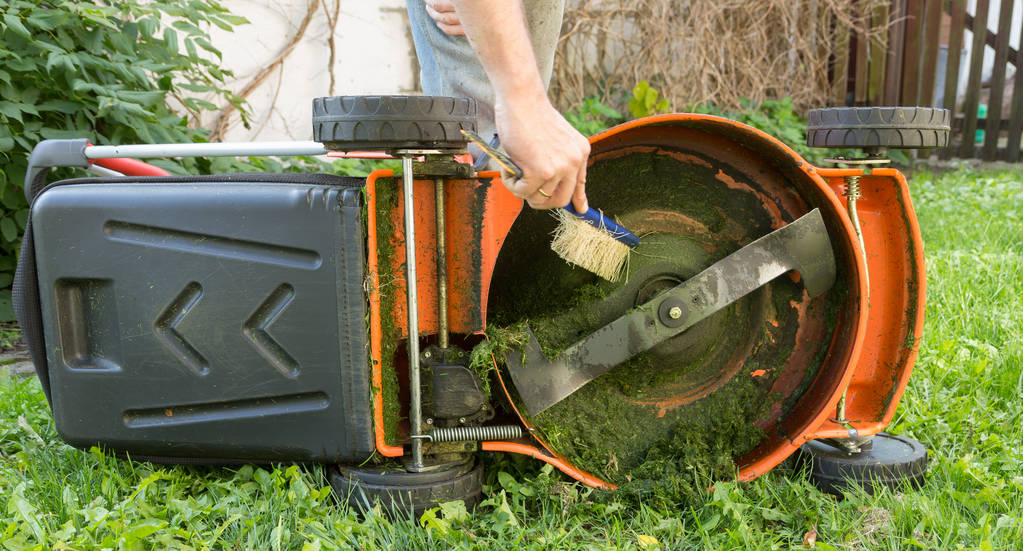
Clean the blade with a brush or cloth. Remove any grass, dirt, or rust. A clean blade sharpens more easily and works better on the lawn.
Sharpening Process
Place the grinder on a stable surface. Use a grinder with a suitable grinding wheel. Wear safety goggles and gloves to protect yourself. Make sure the lawn mower blade is clean before sharpening. Secure the blade firmly to avoid slipping during grinding.
Hold the blade steady and move it slowly across the grinding wheel. Grind only the sharp edge, not the flat side. Use smooth, even strokes to sharpen the blade. Avoid grinding too much; remove just enough metal to sharpen the edge. Check the sharpness often to prevent over-sharpening.
Keep the original angle of the blade edge while grinding. This angle is usually between 30 and 45 degrees. Maintaining this angle keeps the blade cutting efficiently. Use a blade angle guide if needed to hold the correct angle. Consistency in angle helps the blade last longer.
Finishing Touches
Balancing the blade is a crucial step after sharpening. An unbalanced blade can cause vibrationand damageto the mower. Use a blade balancer or hang the blade on a nail to check balance. The blade should stay horizontalwithout tilting. Remove metal from the heavier side if needed.
Reattaching the blade requires care. Align the blade correctly on the mower’s shaft. Tighten the bolt firmly using a wrench to avoid loosening during use. Always follow the mower’s manual for torque specifications.
Testing the mower ensures the blade works well. Start the mower on a flat surface. Listen for unusual sounds or vibrations. Mow a small patch of grass to check the cut quality. Stop immediately if anything feels wrong.
Safety Tips
Wear safety gogglesto protect your eyes from sparks and debris. Use heavy glovesto keep your hands safe. Always work in a well-ventilated areato avoid breathing dust or fumes.
Keep the grinder’s cord away from the blade to avoid cuts or shocks. Hold the grinder firmly with both hands for control. Never force the grinder; let it do the work.
- Check the grinder for damage before use.
- Keep the tool clean and dry.
- Replace worn-out grinding wheels promptly.
- Store the grinder in a safe place after use.

Credit: www.youtube.com
Troubleshooting
Blades that are bent or cracked must be replaced immediately. Sharpening such blades can cause damage or injury. Dull blades that don’t improve after sharpening need replacement too. Excessive rust can weaken the blade, making it unsafe to use.
Signs that a blade should be replaced include:
- Visible cracks or bends
- Uneven cuts despite sharpening
- Excessive rust or corrosion
- Blade thickness worn down too much
Always check the blade balance before sharpening. An unbalanced blade can cause vibration and damage. Replace the blade if it fails balance tests or shows serious wear.
Frequently Asked Questions
How Often Should I Sharpen My Lawn Mower Blade?
Sharpen your lawn mower blade after every 20-25 hours of use. Frequent sharpening ensures clean cuts and healthier grass. Dull blades tear grass, causing damage and uneven mowing. Regular maintenance improves mower efficiency and extends blade life.
Can I Sharpen A Lawn Mower Blade With Any Grinder?
Use an angle grinder with a metal grinding disc for best results. Avoid grinders not designed for metal, as they can damage the blade. Ensure safety gear is worn when sharpening to prevent injury.
What Safety Precautions Are Needed When Sharpening Blades?
Always wear safety goggles, gloves, and ear protection. Disconnect the mower spark plug before starting. Work in a well-ventilated area and secure the blade firmly. Follow grinder manufacturer guidelines for safe operation.
How Do I Balance A Lawn Mower Blade After Sharpening?
After sharpening, use a blade balancer or hang the blade on a nail. If one side dips lower, remove more metal from that side. Balanced blades prevent vibration and protect the mower’s engine.
Conclusion
Sharpening a lawn mower blade with a grinder saves time and money. A sharp blade cuts grass cleanly and keeps your lawn healthy. Always wear safety gear to protect yourself during sharpening. Take your time and follow each step carefully for best results.
Regular blade maintenance helps your mower work better and last longer. Try this simple method to keep your mower in top shape. Your lawn will look neat and well cared for.