

If you love smoking meat but struggle to keep your smoker’s temperature steady, a smoker fan could be your game changer. Setting up a smoker fan might sound tricky, but with the right steps, you can easily master it and enjoy perfectly smoked food every time.
In this guide, you’ll learn exactly how to set up your smoker fan quickly and effectively. Keep reading, and you’ll discover simple tips that will make your smoking experience smoother and more enjoyable. Ready to take your BBQ skills to the next level?
Let’s dive in!
Choosing The Right Smoker Fan
Choosing the right smoker fanhelps keep a steady airflow for even smoking. Different types suit various smoker styles and fuels. Some fans run on batteries, while others plug into power sources. Battery fans offer easy portability. Electric fans provide constant power but need an outlet or generator.
Important factors include airflow control, power source, and size compatibility. Check if the fan fits your smoker’s air intake. Also, consider noise levels and durability for outdoor use.
| Type | Power Source | Best For |
|---|---|---|
| Battery Operated | Batteries (AA or rechargeable) | Portable smokers, quick setups |
| Electric Plug-In | AC power or generator | Long smoking sessions, stable power |
| USB Powered | USB port or power bank | Small smokers, easy to carry |
- Hurricane Smoker Fan: quiet, strong airflow, battery powered
- BBQ Dragon: electric, adjustable speed, works with many smokers
- GrillPro Smoke Fan: affordable, simple design, battery run

Credit: www.reddit.com
Preparing Your Smoker
Start by cleaning the smokerthoroughly. Remove ashes and old debris to ensure better airflow. Check for any rust or damage that may block air movement.
Place the fan near the smoker’s air vent or firebox. The fan should blow air directly into the smokerto keep the fire burning evenly. Avoid placing it where smoke can blow away.
- Adjust the fan speed to control the air intake.
- Make sure the airflow is steady and not too strong.
- Check that smoke flows out smoothly through the chimney.
- Keep vents partially open to help control temperature.
Connecting The Smoker Fan
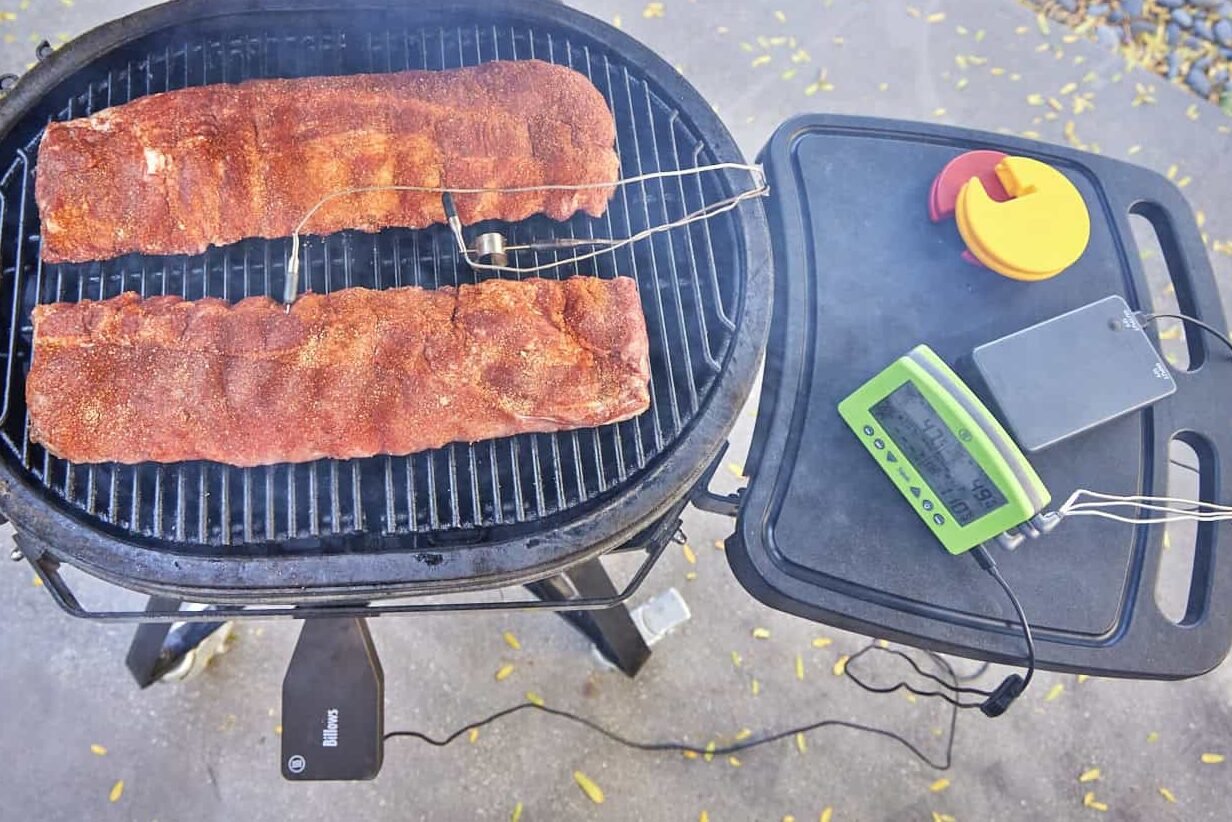
Choose a power sourcethat matches your smoker fan’s requirements. Most fans use a 12V battery or a USB power bank. Connect the wires carefully. Match the red wire to positiveand the black wire to negative terminals. Use electrical tape or wire connectors to secure the connections and avoid shorts.
Fix the fan firmly onto the smoker. Use screws, brackets, or strong adhesive. Ensure the fan is stable and won’t move during cooking. Position it where it can blow air directly into the fire or charcoal for better smoke control.
- Turn on the power source.
- Check if the fan blades spin smoothly.
- Listen for any unusual noises.
- Make sure airflow reaches the smoker chamber.
- Adjust wiring or placement if the fan doesn’t run properly.
Credit: blog.thermoworks.com
Controlling Temperature With A Smoker Fan
Adjusting the fan speedhelps control the smoker’s temperature. Faster speeds increase airflow, raising the heat. Slower speeds lower the temperature by reducing air. Find the right speed for your cooking needs.
Monitoring smoke levelsis key for good flavor. Too much smoke can taste bitter. Too little makes food bland. Keep the smoke thin and blue for the best results.
| Thermometer Type | Use | Tip |
|---|---|---|
| Digital Probe | Check meat temperature | Insert in thickest part |
| Ambient Thermometer | Check smoker air temp | Place near food |
| Infrared Thermometer | Check surface heat | Point at smoker walls |
Troubleshooting Common Issues
Fan Not Workingoften means power or connection issues. Check the power source first. Make sure the fan is plugged in securely. Clean any dust blocking the fan blades. Test the fan on another outlet to rule out electrical problems.
Uneven Smoke Distributionhappens when airflow is blocked. Clear any debris inside the smoker. Arrange wood chips evenly for steady smoke. Adjust fan speed to balance the smoke flow.
Overheating Problemscan damage the smoker fan. Ensure the fan vents are not covered. Keep the smoker away from direct heat sources. Use the fan in short bursts to prevent overheating.

Credit: www.youtube.com
Tips For Perfect Bbq Smoke
Choosing the right woodis key for good BBQ smoke. Use woods like hickory, apple, or cherry. These woods give a nice flavor without being too strong. Avoid softwoods like pine; they can make bad-tasting smoke and leave resin.
Maintaining consistent smokemeans keeping the fire steady. Use a smoker fan to control airflow and keep the temperature stable. Too much air makes the fire hot and fast. Too little air makes smoke thick and bitter.
Cleaning after usehelps your smoker last longer. Let it cool, then remove ash and leftover wood pieces. Wipe the inside with a cloth to stop rust. Clean the smoker fan gently to keep it working well.
Frequently Asked Questions
What Is The Purpose Of A Smoker Fan?
A smoker fan helps maintain a consistent airflow in your smoker. It keeps the fire burning evenly. This results in better temperature control and improved smoke circulation. Using a smoker fan enhances the flavor and texture of your smoked food.
How Do I Connect A Smoker Fan To My Smoker?
Connect the smoker fan near the firebox or charcoal area. Attach the fan securely using clamps or screws. Ensure the power source is compatible, like batteries or USB. Position the fan to blow air directly onto the coals for optimal airflow.
Can I Use A Smoker Fan For Electric Smokers?
Yes, a smoker fan can improve airflow in electric smokers. It helps distribute smoke evenly inside the chamber. This improves cooking consistency and flavor. Always check the fan’s compatibility with your smoker’s design before use.
How Do I Control The Speed Of A Smoker Fan?
Most smoker fans come with adjustable speed settings. Use the control switch or dial to set the airflow. Adjust the speed based on temperature needs and smoke density. Proper speed control ensures efficient burning and better smoke flavor.
Conclusion
Setting up a smoker fan enhances your grilling experience. It’s straightforward and rewarding. Follow the steps carefully for optimal results. Ensure all connections are secure. Test the fan before use to avoid issues. A well-installed fan maintains consistent temperature. This results in perfectly smoked meats.
Enjoy the process and the flavors it creates. With practice, your skills will grow. Smoked dishes will impress friends and family. Remember, patience is key. Take your time and savor the journey. Happy smoking!