
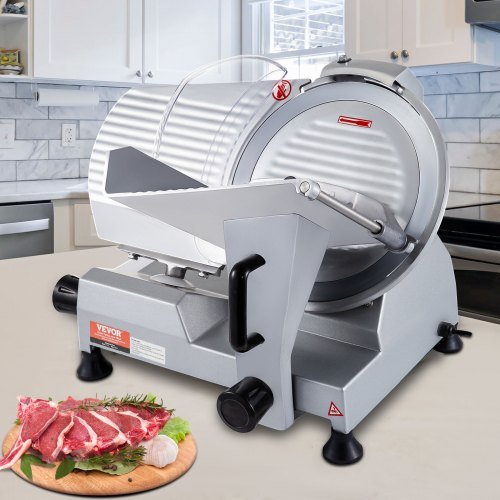
Choosing the right commercial slicer for your professional kitchen can make all the difference in your daily operations. You want a slicer that works fast, cuts precisely, and lasts through busy hours without breaking down.
But with so many options available, how do you pick the one that fits your needs perfectly? This guide will help you understand what to look for, so you can make a confident choice that saves you time, effort, and money.
Keep reading to discover the key factors that will turn your slicer into your kitchen’s best ally.
Types Of Commercial Slicers
Manual slicersneed you to push food by hand. They are simple and cost less. Good for small kitchens and less slicing.
Automatic slicerswork with a motor. They save time and effort. Best for busy kitchens with high slicing needs.
| Type | Description | Best For |
|---|---|---|
| Gravity Feed Slicers | Food slides down by gravity for slicing. | Large cuts of meat and cheese. |
| Carriage Style Slicers | Food is held on a carriage that moves across the blade. | Precision slicing and thin cuts. |
Credit: www.vevor.com
Key Features To Consider
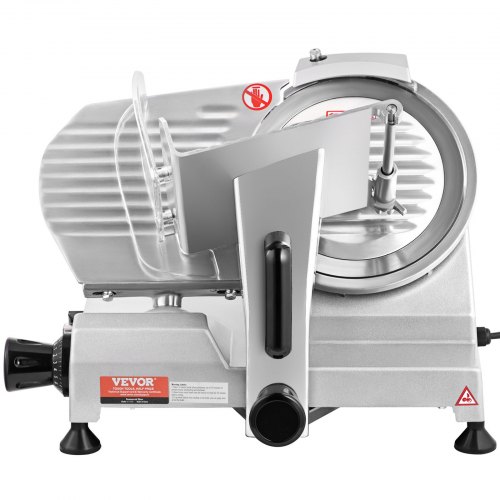
The blade is very important in a slicer. A big blade cuts more food. Stainless steel blades last longer. They don’t rust easily. Choose the blade size based on your needs. Small blades are good for small foods. Big blades are better for large items.
Adjustable thickness is a great feature. It lets you slice food thin or thick. Some slicers have easy dials. Others may use levers. Make sure the settings are easy to use. This helps in cutting different foods.
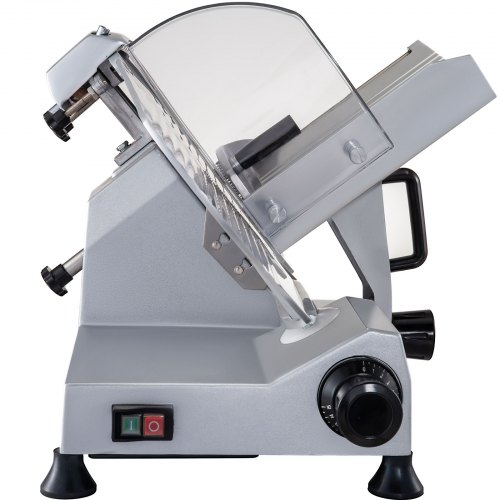
Safety is very important in the kitchen. Look for slicers with safety guards. These protect your fingers. Some slicers have non-slip feet. This keeps the slicer in place. Emergency stop buttons are also very helpful. They stop the slicer quickly if needed.
Capacity And Usage Needs
Volume and frequency of useare key to choosing the right commercial slicer. A busy kitchen needs a slicer that can handle high volumewithout overheating. Less busy places may choose smaller, simpler models. Consider how many slices you need each day and how often the slicer will be used.
Types of foods to slicematter a lot. Some slicers work best with meats, while others handle bread or cheese well. Make sure the slicer blade and settings match the food typesyou prepare regularly. This helps keep food quality high and reduces wear on the machine.
Space and portabilityare important in professional kitchens. Measure your available counter space before buying. Some slicers are heavy and stay in one place. Others are lighter and can be moved easily. Choose based on your kitchen layout and how often you need to move the slicer.
Maintenance And Cleaning
Ease of disassemblyis key for quick cleaning and maintenance. Choose a slicer that allows parts to be removed without tools. This saves time and reduces risk of damage. Fast disassembly means less downtime in a busy kitchen.
Blade sharpening and replacementshould be simple and safe. The slicer must come with clear instructions and tools for blade care. Sharp blades cut better and keep food safe. Easy blade changes help maintain performance and reduce hazards.
Sanitation standardsmust be met to ensure food safety. Look for slicers made of stainless steel or other non-corrosive materials. Smooth surfaces without cracks or crevices prevent bacteria buildup. The slicer should be easy to wipe and sanitize after use.
Budget And Warranty
Cost vs. Durabilitymatters a lot when choosing a slicer. A cheap slicer may break quickly. A durable slicer costs more but lasts longer. Think about how often the slicer will be used. Daily use needs a strong, durable slicer. For light use, a less costly slicer can work.
Warranty Coverageprotects your investment. Check what parts the warranty covers. Look for slicers with at least one year of warranty. Some warranties cover motor and blade replacement. Others cover only limited parts. A good warranty saves money on repairs.
Long-Term Investmentmeans thinking beyond the price tag. A slicer that lasts many years is cheaper over time. Pay attention to repair costs and availability of parts. Choose a slicer that combines quality, warranty, and price. This choice helps your kitchen work smoothly.
Top Brands And Models
Popular commercial slicer brandshave built strong reputations for durability and performance. Brands like Berkel, Hobart, Globe, and Chef’sChoiceare trusted by many chefs worldwide. These companies offer slicers with sharp blades and reliable motors. Choosing a brand with good customer support helps with maintenance and repairs.
Recommended models for professionals combine efficiency with ease of use. The Berkel 825offers precision slicing and a sturdy build. Hobart 2612is known for its powerful motor and smooth operation. Globe G12fits well in busy kitchens due to its quick slicing speed. Chef’sChoice 615 has adjustable thickness and safety features.
| Brand | Model | Key Features |
|---|---|---|
| Berkel | 825 | Precision slicing, durable, easy to clean |
| Hobart | 2612 | Powerful motor, smooth operation, reliable |
| Globe | G12 | Fast slicing, compact design, sturdy build |
| Chef’sChoice | 615 | Adjustable thickness, safety features, easy use |
Safety Tips For Operation
Proper handling techniquesare key to safe slicer use. Always hold the slicer firmly. Keep hands away from the blade. Use the food pusher to move items. Never force food through the blade. Clean the slicer only when it is off and unplugged.
- Protective equipmentincludes cut-resistant gloves and aprons.
- Wear gloves to protect hands from sharp blades.
- Use aprons to keep clothes safe from food spills.
- Safety glasses protect eyes from splashes.
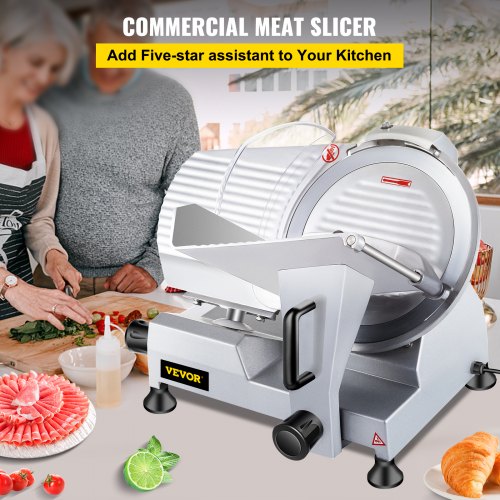
Regular training for staffhelps keep everyone safe. Teach new workers how to use the slicer correctly. Review safety rules often with all staff. Practice safe habits every day. This reduces accidents and keeps the kitchen running smoothly.
Credit: www.vevor.com
Credit: www.vevor.com
Frequently Asked Questions
What Factors To Consider When Choosing A Commercial Slicer?
Consider blade size, motor power, safety features, and ease of cleaning. Also, check slicing thickness options and durability for professional use.
How Important Is Blade Material In A Commercial Slicer?
Blade material affects cutting precision and lifespan. Stainless steel blades resist rust and maintain sharpness longer, ensuring consistent slicing quality.
What Motor Power Is Ideal For A Professional Kitchen Slicer?
Choose a motor with at least 1/3 HP for smooth slicing. Higher power handles tougher meats and large volumes efficiently.
How Do Safety Features Impact Commercial Slicer Selection?
Safety features like blade guards and automatic shut-off prevent accidents. They are essential for protecting staff in busy kitchen environments.
Conclusion
Choosing the right commercial slicer saves time and effort in your kitchen. Focus on durability, blade quality, and safety features. Think about your daily slicing needs and budget. A good slicer improves food prep speed and consistency. Take your time to compare options carefully.
The best slicer fits your kitchen’s size and workload. Your cooking will feel easier and more efficient. Make a smart choice to support your professional kitchen.