
Choosing the right coffee beans can change your entire coffee experience. But how do you know if the beans you pick are truly organic and worth your money?
When you select coffee beans with organic certification, you’re not just getting great flavor—you’re making a choice that affects your health, the environment, and the farmers who grow them. You’ll discover simple steps to spot genuine organic coffee beans and why this choice matters more than you might think.
Keep reading to make your next cup of coffee both delicious and responsible.
Why Choose Organic Coffee Beans
Organic coffee beansoffer many health benefits. They contain fewer chemicals and pesticides. This means less risk of harmful effects on your body. Organic farming avoids synthetic fertilizers and harmful additives. This helps keep your coffee pure and natural.
The environmental impactof organic coffee is much lower. Organic farms use natural ways to protect soil and water. They avoid toxic chemicals that harm animals and plants. This helps keep the planet cleaner and healthier for future generations.
Taste differencescan be subtle but important. Organic coffee beans often have a richer and fresher flavor. The natural growing process helps beans develop better taste. Many people find organic coffee smoother and less bitter.
Key Organic Certifications To Know
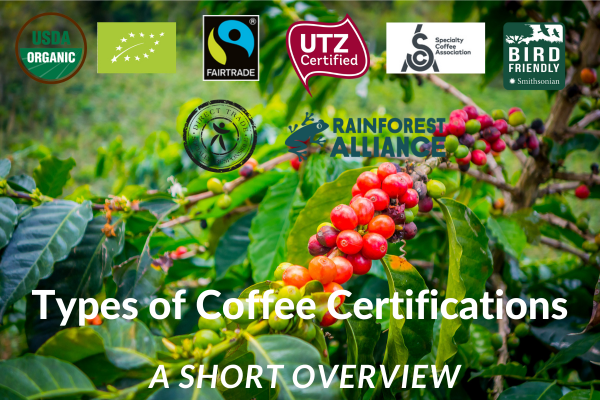
USDA Organiccertifies coffee grown without synthetic pesticides or fertilizers. It ensures the beans meet strict organic farming rules. This label also means no genetically modified organisms (GMOs) are used.
Fair Tradefocuses on fair prices and good working conditions for farmers. It supports small farmers and helps communities grow stronger. Buying Fair Trade coffee helps promote social fairness.
Rainforest Alliancecertifies farms that protect the environment and wildlife. It promotes sustainable farming and helps reduce deforestation. This label means the coffee supports nature and people.
EU Organicguarantees coffee meets European Union organic farming rules. It ensures no harmful chemicals or GMOs are used. This certification supports eco-friendly farming and protects health.
How To Read Coffee Bean Labels
Certification logoson coffee bean bags show if the beans are organic. Look for marks like USDA Organic or EU Organic. These logos confirm the coffee was grown without harmful chemicals or pesticides.
Origin informationtells where the coffee was grown. Beans from different countries have unique flavors. Single-origin labels mean the coffee comes from one place, which often means better quality.
Roast date and freshnessare very important. Fresh coffee tastes better. Check the roast date on the package. Coffee is best used within a few weeks after roasting for the best flavor.

Credit: www.groundworkcoffee.com
Factors To Consider When Selecting Beans
Coffee varietyaffects taste and aroma. Arabica beans are mild and sweet. Robusta beans have a stronger, bitter flavor and more caffeine. Choose based on your taste preference.
Roast levelchanges the coffee’s flavor and strength. Light roasts keep original bean flavors. Medium roasts balance flavor and acidity. Dark roasts have bold, smoky notes.
Flavor profilemeans the taste notes in coffee. Common flavors include fruity, nutty, chocolatey, and floral. Select beans with flavors you enjoy.
Where To Buy Certified Organic Coffee Beans
Selecting coffee beans with organic certification involves checking for labels like USDA Organic. These labels ensure the beans are grown without synthetic chemicals. Visit local health stores or reputable online retailers for a wide selection of certified organic options.
Specialty Coffee Shops
Specialty coffee shops often carry organic certified beans. These stores focus on quality and source their beans carefully. Staff can help you learn about the coffee’s origin and farming methods. This makes it easier to choose the best organic beans.
Online Retailers
Many websites sell organic coffee beanswith clear certification labels. Online shops offer wide selections from various countries. Reading customer reviews can help pick trusted sellers. Look for beans that show detailed farming and roasting info.
Farmers Markets
Farmers markets are great for buying fresh, organic coffee directlyfrom growers. You can ask questions about farming and processing. These markets support local farmers and often have unique coffee varieties. Prices may vary but freshness is usually high.

Credit: www.groundworkcoffee.com
Storing Organic Coffee Beans Properly
Choosing coffee beans with organic certification ensures no harmful chemicals were used. Store them in a cool, dry place, away from light and air to keep freshness. Proper storage preserves the natural flavor and quality of organic coffee beans.
Ideal Storage Conditions
Keep coffee beans in a cool and dry place. Avoid direct sunlight. Use an airtight container to lock in freshness. Glass or ceramic containers are best. Keep away from moisture to prevent mold.
Avoiding Contamination
Store coffee beans away from strong odors. Avoid placing near spices or other foods. Use a clean, dedicated container. Do not reuse containers from other products. This keeps flavors pure and delicious.
Shelf Life Tips
Use beans within three weeks for best taste. Buy smaller quantities to ensure freshness. Check for a roasted date on the package. Older beans lose flavor and aroma. Freshness is key for a great cup.

Credit: colipsecoffee.com
Frequently Asked Questions
What Does Organic Certification Mean For Coffee Beans?
Organic certification ensures coffee beans are grown without synthetic pesticides or fertilizers. It promotes environmental sustainability and healthier soil. Certified beans meet strict standards verified by authorized organizations. This guarantees a natural, eco-friendly coffee product for consumers.
How To Identify Organic Coffee Beans Packaging?
Look for official organic certification labels on the packaging. Common labels include USDA Organic, EU Organic, or other regional certifiers. The label confirms the beans meet organic farming standards. Always check for certification details to ensure authenticity and quality.
Are Organic Coffee Beans Better For Health?
Organic coffee beans are free from harmful chemicals and pesticides. This reduces exposure to toxins and supports a healthier lifestyle. They may also retain more natural antioxidants. However, taste preference varies, so organic does not always mean better flavor.
Does Organic Certification Affect Coffee Bean Price?
Yes, organic certified coffee beans usually cost more due to sustainable farming methods. Certification requires rigorous standards, increasing production costs. Consumers pay a premium for eco-friendly and chemical-free coffee options. However, many find the quality and ethics worth the price.
Conclusion
Choosing coffee beans with organic certification helps support healthy farming. It ensures no harmful chemicals touch your coffee. Certified beans often taste fresher and richer. Always check labels carefully to confirm certification. Buy from trusted sellers to avoid fake claims.
Enjoy coffee that respects both nature and your health. Small choices make a big difference. Savor every sip knowing you picked quality and care.