
Choosing the right coffee beans can make all the difference in your small batch brewing. You want every cup to be rich, fresh, and full of flavor—nothing less.
But with so many options out there, how do you know which beans will suit your taste and brewing style best? This guide will help you unlock the secrets to selecting the perfect coffee beans, ensuring each brew you make is exactly what you crave.
Keep reading to discover simple tips that will transform your coffee routine and elevate your mornings.

Credit: colipsecoffee.com
Choosing The Right Bean Variety
Arabicabeans have a smoother, sweeter taste. They often have hints of fruit and sugar. Robustabeans are stronger and more bitter. They have a higher caffeine content. Arabica is usually preferred for its flavor. Robusta is used in blends for a bold taste and more crema.
| Origin | Flavor Profile |
|---|---|
| Latin America | Bright, fruity, and nutty notes |
| Africa | Floral, fruity, and wine-like flavors |
| Asia | Earthy, spicy, and bold taste |
Single originbeans come from one place. They show unique flavors from that region. Blendsmix beans from different places. They offer balanced and consistent taste. Small batch brewers often choose single origin for special flavors. Blends can be good for everyday use.
Considering Roast Levels
Light roastbeans keep most original flavors. They taste fruity, floral,or bright.The beans are light brownand dry. They have high acidityand less bitterness.
Medium roastoffers a good balance of flavors. It is medium brownwith a smooth taste. This roast keeps some fruitinessbut adds sweet, caramel notes.The acidity is moderateand the body is fuller.
Dark roastbeans are dark brown or almost black.They have an intense, bold flavorwith low acidity.The taste is often smoky, bitter, or chocolatey.The oil may shine on the bean surface.
Freshness And Storage
Fresh beansgive the best flavor in small batch brewing. Coffee starts to lose taste soon after roasting. Buying beans roasted within the last two weeks helps keep the flavor strong. Avoid beans that look old or dusty.
Different packaging typeskeep beans fresh for different times. Bags with one-way valves let gas out but keep air out. Vacuum-sealed bags keep beans fresh longer but may cost more.
| Storage Technique | Description |
|---|---|
| Keep in a Cool, Dark Place | Stops heat and light from spoiling beans. |
| Use Airtight Containers | Prevents air from making beans stale. |
| Avoid Refrigeration | Moisture can harm flavor and cause mold. |
| Grind Just Before Brewing | Keeps flavor fresh for every cup. |
Grinding For Small Batches
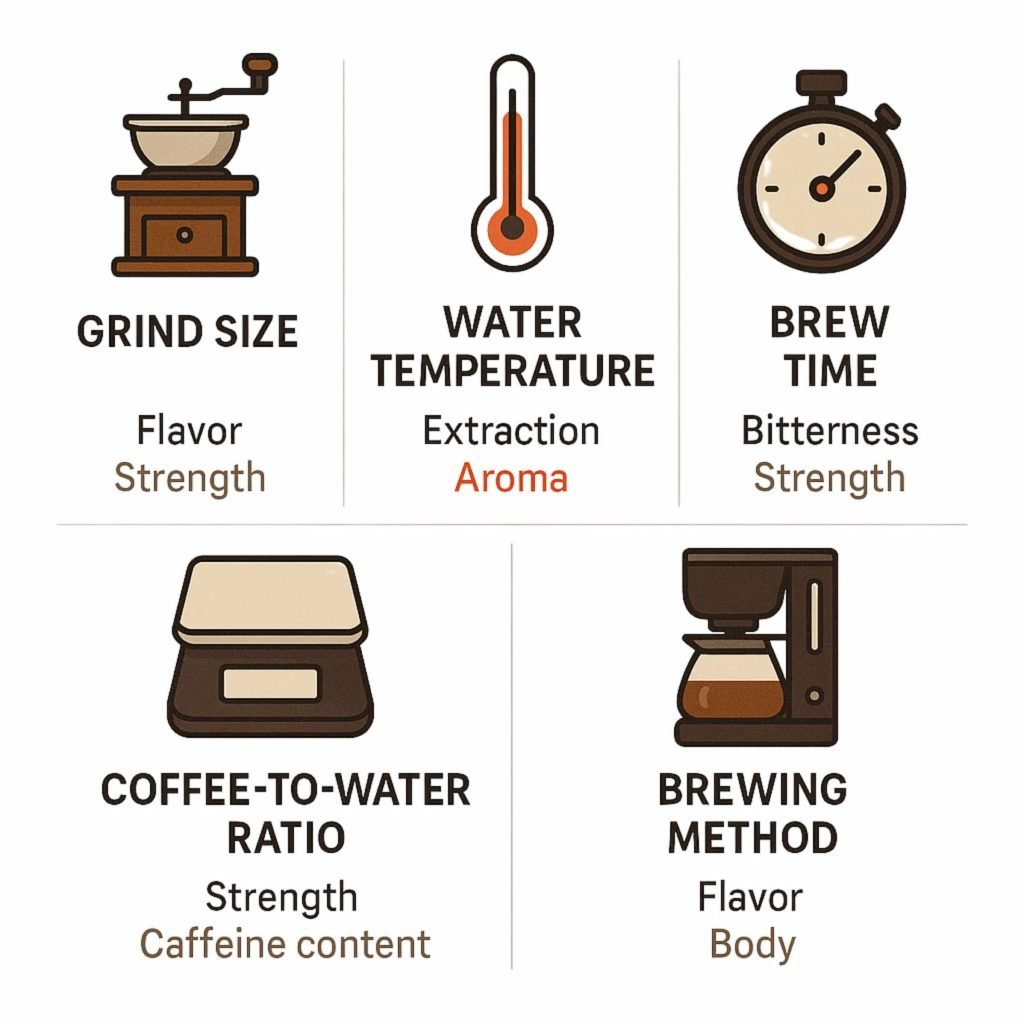
Grind sizeaffects how coffee tastes and brews. Fine grinds make coffee strong but can taste bitter. Coarse grinds brew slowly and taste lighter. The right grind size depends on your brewing method.
- Burr grindersgive a consistent grind size. Good for small batches.
- Blade grindersare cheaper but less even.
- Manual grinderswork well if you want control and quiet grinding.
Adjust the grind size based on your brewing tool:
| Brewing Method | Recommended Grind Size |
|---|---|
| Espresso | Fine |
| Pour-over | Medium-fine |
| French Press | Coarse |
Tasting And Testing Beans
Sample different roasts to find your preferred taste. Each roast level changes the flavor and aroma. Light roasts have bright, fruity notes. Medium roasts offer balanced sweetness and acidity. Dark roasts bring bold, smoky flavors. Tasting several helps you learn what suits you best.
Pay attention to flavor notes like chocolate, nuts, or berries. Also note acidity, body, and aftertaste. These details show how complex and enjoyable the coffee is.
Keep a coffee journal to track your experiences. Write down the roast type, flavor notes, and your rating. This helps you remember what you liked and guides future choices.
Credit: equipoisecoffee.com
Sourcing Quality Coffee Beans
Selecting the right coffee beans is vital for small batch brewing. Focus on freshness, origin, and roast level. Opt for beans with clear labels detailing their source and roasting date. This ensures a rich flavor and satisfying aroma in every cup.
Reputable Roasters
Choose coffee from reputable roasters. They ensure high-quality beans. These roasters care for the bean’s journey. From farm to cup, they maintain quality. They often provide information on each bean’s origin.
Direct Trade Benefits
Direct trade means buying beans directly from farmers. This supports fair pricesfor farmers. It ensures better bean qualityfor you. Farmers get more money. You get fresher beans. Everyone benefits from this process.
Local Vs Online Purchasing
Local shops offer fresh beans. You can smell and chooseyour favorite. Online stores provide a wider selection. Shipping can take time. Consider your needs. Freshness or variety? Both options have their perks.

Credit: thebasicbarista.com
Frequently Asked Questions
What Type Of Coffee Beans Suit Small Batch Brewing?
Single-origin Arabica beans are ideal for small batch brewing. They offer unique flavors and aromas that shine in small quantities. Choose freshly roasted beans for the best taste and to enhance your brewing experience.
How Does Roast Level Affect Small Batch Coffee?
Light roasts preserve the coffee’s natural flavors, ideal for tasting nuances. Medium roasts balance acidity and body, while dark roasts provide bold, rich flavors. Select roast level based on your flavor preference for small batch brewing.
Why Choose Freshly Roasted Beans For Small Batches?
Freshly roasted beans retain maximum flavor and aroma. Coffee tastes best within two to four weeks after roasting. Using fresh beans ensures a vibrant, rich cup every time you brew a small batch.
How Much Coffee Should I Grind For Small Batches?
Grind only the amount you plan to brew immediately. This maintains freshness and flavor. For small batches, precise measurement and grinding just before brewing are crucial for the best results.
Conclusion
Choosing the right coffee beans makes a big difference in taste. Fresh beans bring out the best flavors in small batches. Consider the roast level and origin for your preference. Always store beans properly to keep them fresh longer. Experiment with different beans to find what you like most.
Enjoy the process and savor each cup you brew. Good coffee starts with good beans. Simple steps lead to great coffee every time.