
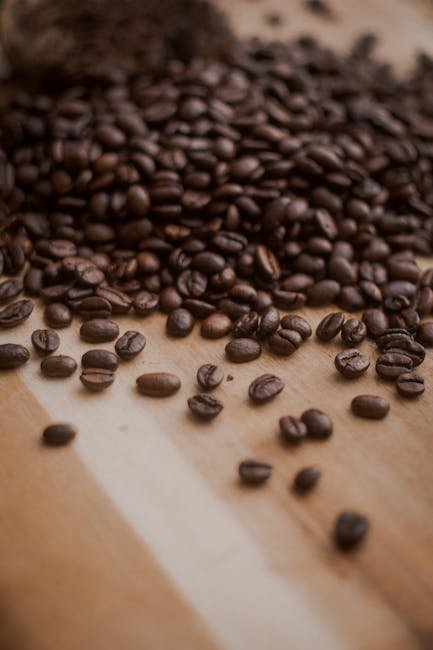
Choosing the right coffee beans can completely change your morning routine. Imagine waking up to a cup of coffee that tastes just the way you love it—rich, fresh, and full of flavor.
But with so many options available, how do you know which beans are best for your home kitchen? This guide will help you cut through the confusion and pick coffee beans that match your taste, brewing style, and budget. Keep reading, and soon you’ll be brewing coffee that feels like it was made just for you.
Credit: www.tanguay.ca
Types Of Coffee Beans
Arabicabeans have a mild, sweet taste with hints of fruit and sugar. They grow best in cool, high places. Robustabeans are stronger and more bitter. They have more caffeine and grow well in hot, low places. Robusta beans are often used in instant coffee.
Single-origin beanscome from one place. They show flavors unique to that area. These beans give a pure and clear taste. Coffee lovers enjoy single-origin for its distinct character.
Blendsmix beans from different places. This creates a balanced flavor. Blends can be smooth, strong, or a mix of both. They are good for everyday coffee drinkers who want consistent taste.
Roast Levels Explained
Light roastbeans are pale brown and have no oil on the surface. They keep the original flavorsof the coffee bean. The taste is bright, fruity, and acidic. Light roast works well for those who enjoy a mild and fresh cup.
Medium roastbeans are medium brown with a balanced flavor and acidity. They have a slightly sweet tasteand more bodythan light roasts. Medium roast is a good choice for everyday coffee drinkers.
Dark roastbeans are very dark brown or black with an oily surface. The flavor is strong, bold, and smoky. Dark roast has less acidityand a heavier body. Perfect for those who like a rich, intense cup.
Freshness And Storage
To check the freshnessof coffee beans, look for a roast dateon the package. Avoid beans without a clear date. Fresh beans usually have a strong aroma and a slightly oily surface. Beans that look dry or faded may be old. Ground coffee loses freshness faster than whole beans, so choose whole beans if possible.
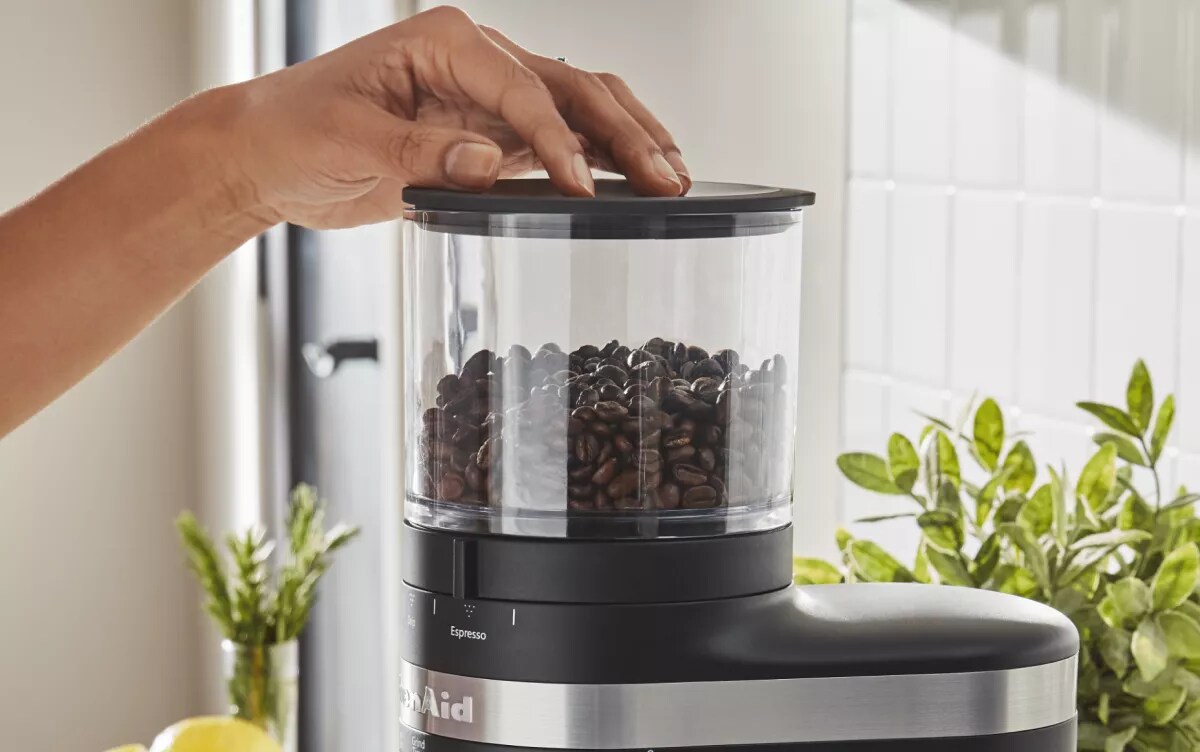
Best storage practiceshelp keep coffee fresh longer. Store beans in an airtight containerto block air and moisture. Keep the container in a cool, dark place, away from sunlight and heat. Avoid storing beans in the fridge or freezer as moisture can spoil them. Only grind beans just before brewing to keep flavor intact.
Credit: www.kitchenaid.com
Flavor Profiles To Consider
Acidityin coffee gives a bright, tangy taste. It feels like citrus or fruit.
Sweetnessbalances acidity. It makes coffee smooth and pleasant.
Bitternessadds depth but can feel harsh if too strong. Dark roasts have more bitterness.
Common flavor notes include:
- Chocolate
- Nutty
- Fruity
- Floral
- Spicy
Choosing beans with the right mix of these helps match your taste.
Brewing Methods And Bean Compatibility
Espressoneeds dark roast beans with a fine grind. These beans have a bold flavor and create rich crema. Choose beans labeled for espresso or dark roast for best results.
Pour Overworks best with medium roast beans and a medium grind. These beans keep the bright and clean flavors. Light to medium roast beans highlight fruity and floral notes.
French Pressuses coarse ground beans and a darker roast. This method extracts bold, full-bodied flavors with a thick texture. Beans that are fresh and oily are great for French press.
| Brewing Method | Bean Roast | Grind Size | Flavor Profile |
|---|---|---|---|
| Espresso | Dark roast | Fine | Bold, rich, with crema |
| Pour Over | Medium roast | Medium | Bright, clean, fruity |
| French Press | Dark roast | Coarse | Bold, full-bodied, thick |
Credit: www.consumerreports.org
Buying Tips For Home Use
Whole beans stay fresh longer. They offer a richer flavor. Grinding at home gives control over texture. Ground coffee is convenient. It’s quick and easy to use. Freshness fades faster after grinding.
Choose brands known for quality. Look for positive reviews. Local coffee shops often sell fresh beans. Farmers’ markets can offer unique options. Check labels for origin and roast date. Fresh beans have a recent roast date.
Set a budget for your coffee. Whole beans can be more expensive. Buying in bulk can save money. Try different price ranges. Find what suits your taste and wallet. Quality doesn’t always mean high cost.
Frequently Asked Questions
What Are The Best Coffee Beans For Home Brewing?
The best coffee beans for home brewing are fresh, whole beans. Choose Arabica for a mild flavor and Robusta for strong taste. Opt for medium roast to balance acidity and bitterness. Always buy from trusted brands for quality and freshness.
How To Store Coffee Beans To Keep Them Fresh?
Store coffee beans in an airtight container away from light, heat, and moisture. Avoid the fridge or freezer as moisture affects flavor. Keep beans in a cool, dark place to preserve freshness for up to two weeks.
What Grind Size Suits Different Brewing Methods?
Grind size varies by brewing method: coarse for French press, medium for drip coffee, and fine for espresso. Consistent grind size ensures better extraction and flavor. Adjust grind size to avoid sour or bitter taste in your coffee.
How To Identify Fresh Coffee Beans?
Fresh coffee beans have a strong aroma and oily surface. Avoid beans that look dry or dull. Check roast date on packaging; fresher beans give richer flavor and better aroma. Use within two weeks after roasting for best taste.
Conclusion
Choosing the right coffee beans makes a big difference at home. Fresh beans bring out rich flavors and aromas in every cup. Think about roast type, origin, and grind size. Small changes can improve your daily coffee routine. Enjoy the process of finding beans you love.
A good cup starts with good beans. Keep exploring and tasting to find your perfect match. Home coffee can be simple and satisfying.