
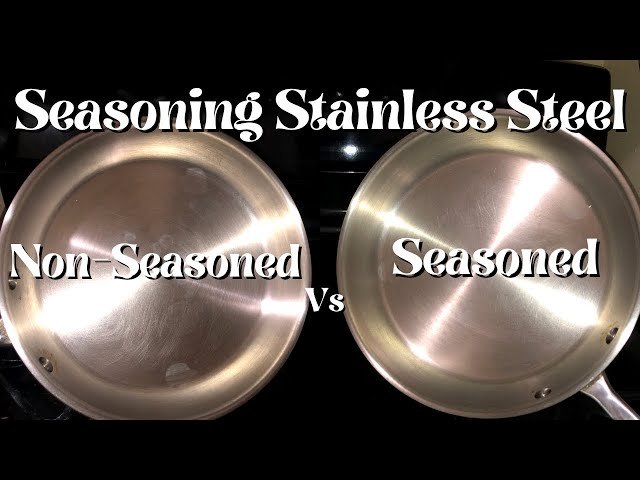
Imagine cooking your favorite meal in stainless steel cookware, only to have it stick and burn. Frustrating, right?
You’re not alone. Many people love the durability and sleek look of stainless steel, but struggle with its sticking tendencies. Here’s the good news: seasoning your stainless steel cookware can transform your cooking experience. It’s like adding a secret weapon to your kitchen arsenal, making your pots and pans almost non-stick, and enhancing the flavors of your dishes.
In this guide, you’ll discover the simple steps to season your cookware, ensuring every meal is a joy to prepare and a delight to taste. Ready to elevate your culinary skills? Let’s dive in!
Benefits Of Seasoning Stainless Steel
Seasoning stainless steel cookwaremakes food less likely to stick. This means cooking becomes easier and more fun. A well-seasoned pan also heats evenly. This helps in cooking food better. It saves time and energy.
Seasoning adds a protective layer to your cookware. This layer prevents rust and damage. Your pans last much longer. You don’t need to replace them often. This saves money in the long run.
Cooking with seasoned pans requires less oil. This makes your meals healthier. You can enjoy tasty food without extra fat. Seasoning is a simple wayto improve your cooking. Try it and see the difference!
Choosing The Right Oil
Smoke Point Considerations:Different oils have different smoke points. High smoke point oils are good for seasoning. They can handle heat without burning. Some oils with high smoke points are canola, grapeseed, and peanut oils. They work well for stainless steel cookware.
Flavor Impacts:Oils add flavor to your cookware. Choose oils that you like. Olive oil adds a strong flavor. It’s great for Italian dishes. Butter gives a rich taste. But it has a low smoke point. Coconut oil adds a tropical flavor. Pick an oil that matches your dish.
Prepping Your Cookware
Start by washing your stainless steel cookware with warm water. Use a mild soap for the best results. Avoid harsh chemicals; they can damage the surface. Scrub gently with a soft sponge. This removes any food particles or grease. Rinse with clean water afterward. Ensure every part is free from soap.
Dry your cookware completely. Use a clean towel for the job. Moisture can lead to rust. Pay attention to the edges and handles. Dampness is not a friend to stainless steel. Make sure it shines and is spotless. This helps in better seasoning later.

Credit: www.youtube.com
Applying The Seasoning
Start by placing the stainless steel cookwareon the stove. Turn the heat to medium. Wait until the pan is hot. This helps the pan open its pores. It prepares the surface for seasoning.
Add a thin layer of vegetable oilto the hot pan. Spread the oil evenly. Use a paper towel if needed. Ensure all areas are covered. Too much oil is not good. Just a thin coat is enough.
After coating, let the pan cool. Use a clean paper towel. Wipe away extra oil gently. The surface should look shiny. But not greasy. Removing excess oil avoids sticking.
Baking The Cookware
Temperature settingsare important for seasoning stainless steel cookware. Preheat your oven to 350 degrees Fahrenheit. This temperature is ideal. It helps the oil bond with the metal. Make sure the cookware is clean. Dry it completely before starting. Use a soft cloth or towel. Apply a thin layer of cooking oil. Any cooking oil works. Avoid using too much oil. It can create a sticky surface. Place the cookware upside down in the oven. This prevents pooling of oil. Bake it for one hour. Let it cool in the oven. This ensures the seasoning sets well. Your cookware is ready to use.
Time durationis crucial for seasoning. The whole process takes about two hours. Allow time for cooling. Patience is key. Proper seasoning gives better cooking results. It also helps in maintaining the cookware. Enjoy cooking with your well-seasoned cookware.

Credit: madeincookware.com
Cooling And Storing
After cooking, let the pan cool on its own. Do not put it under cold water. This can warp the steel. Patience is key here. Let it cool slowly. This helps keep the pan in good shape.
Store your cookware in a dry place. Avoid stacking heavy pots on top. This can cause scratches. Use a soft cloth between pans. This protects their surface. Keep lids separate if possible. This allows air to circulate. It helps prevent odors and stains.
Maintaining The Seasoned Surface
Always use a soft cloth or sponge. Avoid harsh scrubbers. They can damage the seasoned surface. Mild soap and warm water work best. Rinse well and dry with a soft towel. This prevents water spots. Do not leave cookware wet. It can affect the seasoning.
Re-season every few months. This helps maintain the non-stick surface. Regular cooking can wear down the seasoning. Re-seasoning keeps it fresh and effective. Look for signs like food sticking. This means it’s time to re-season. Re-seasoning is easy and keeps your cookware in top shape.
Common Mistakes To Avoid
Stainless steel pans can get too hot quickly. Overheating can damage the pan. The surface may turn brown. Food might stick more easily. Keep the heat at medium level. High heat is not needed. It won’t help with seasoning. Just makes things worse. Watch the pan closely. Be patient while heating.
Choosing the right oil is key. Avoid oils with low smoke points. Butter and olive oil are not good for seasoning. Use oils that can handle heat. Canola and vegetable oil work well. They create a good non-stick layer. The wrong oil may burn. It leaves a sticky mess. Stick to oils that can withstand heat.

Credit: madeincookware.com
Frequently Asked Questions
How Do You Season A Stainless Steel Pan For The First Time?
Clean the pan with warm water and soap. Dry it completely. Apply a thin layer of vegetable oil. Heat the pan on medium until it smokes slightly. Let it cool and wipe off excess oil. Repeat the process for better seasoning.
Your pan is now ready for use.
Should You Season Stainless Steel Cookware?
Seasoning stainless steel cookware is optional but beneficial. It enhances non-stick properties and prevents food from sticking. To season, heat oil in the pan, let it cool, and wipe it clean. Regular seasoning maintains the cookware’s performance and extends its lifespan.
Enjoy better cooking results with seasoned stainless steel.
How Do I Keep Food From Sticking To My Stainless Steel Pan?
Preheat the stainless steel pan properly. Add oil and let it heat until shimmering. Ensure food is dry before cooking. Use medium heat to avoid scorching. Allow food to form a crust before turning.
What Should You Not Put On A Stainless Steel Pan?
Avoid using bleach, abrasive cleaners, and steel wool on stainless steel pans. These can scratch or damage the surface. Avoid cooking highly acidic foods for long periods, as they may cause pitting. Do not use non-stick sprays excessively; they can leave a residue that is hard to remove.
Conclusion
Seasoning stainless steel cookware enhances its performance and lifespan. With simple steps, your cookware becomes easier to use. Start by cleaning it thoroughly. Then apply a thin oil layer, heating gently. This creates a non-stick surface, reducing food sticking. Regular seasoning maintains this benefit.
Cooking becomes more enjoyable and cleanup is quicker. Stainless steel cookware is durable and reliable when cared for properly. Follow these easy steps and enjoy cooking with confidence. Your kitchen experience will be smoother, and your meals more delightful. Happy cooking!