
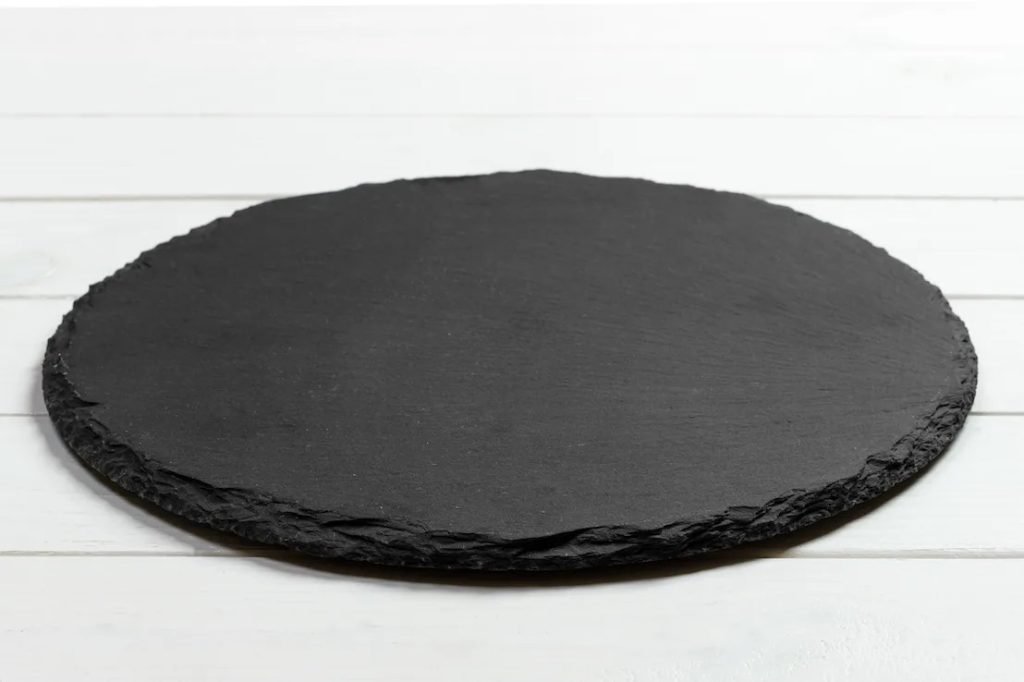
Imagine biting into a slice of pizza with a perfectly crispy crust, just like the ones from your favorite pizzeria. It sounds like a dream, right?
Well, achieving that at home is easier than you might think. The secret weapon? A soapstone pizza stone. But before you start baking, there’s a crucial step you need to know: seasoning your soapstone pizza stone. This process not only enhances the stone’s performance but also extends its lifespan.
In this guide, you’ll discover exactly how to season your soapstone pizza stone to perfection. We’ll walk you through each step, ensuring you get the most out of your pizza-making adventures. By the end, you’ll be ready to create mouthwatering homemade pizzas that rival any restaurant. Curious to learn how? Keep reading and transform your pizza nights forever.
Why Season Soapstone Pizza Stones
Seasoning a soapstone pizza stonehelps protect it from cracks and stains. Soapstone is a natural stone that can absorb oils and moisture. Applying oil forms a thin layer that stops water from soaking in. This reduces the chance of cracks caused by heat and moisture changes.
Seasoning also improves heat retention. The oiled surface holds and spreads heat evenly. This leads to better cooking results and a crispier pizza crust. The stone stays hot longer, making the baking process smoother.
- Prevents cracks:Oils fill tiny pores and protect from heat damage.
- Stops stains:Oil layer blocks moisture and food stains.
- Enhances heat retention:Stone heats evenly and keeps heat longer.
- Improves cooking:Ensures better crust and pizza texture.

Credit: cuorelavico.it
Preparing Your Soapstone Stone
Soapstone pizza stonesmust be cleaned well before seasoning. Use warm water and a soft sponge to remove dust and dirt. Avoid soaps or detergents as they can soak into the stone and affect flavor. Rinse thoroughly to remove any loose particles.
Dry the stone completely to prevent cracking. Let it air dry for several hours or overnight. Avoid using a towel that may leave fibers on the surface. Placing the stone in a warm, dry spot helps speed up drying.
- Use a soft cloth or paper towel to wipe off any moisture.
- Do not expose the stone to sudden temperature changes during drying.
- Ensure the stone is fully dry before applying oil for seasoning.
Choosing The Right Oil
Choosing the right oil helps keep your soapstone pizza stone in great shape. Oils with a high smoke point work best. They create a strong, non-stick layer that lasts long.
| Best Oils for Seasoning | Reason |
|---|---|
| Flaxseed Oil | Forms a hard, durable coating |
| Canola Oil | High smoke point and affordable |
| Grapeseed Oil | Light flavor and high smoke point |
| Vegetable Oil | Easy to find and heats well |
Oils to avoid can damage your stone or leave bad smells. Stay away from:
- Olive oil – low smoke point and sticky
- Butter or animal fats – burn quickly and smell bad
- Coconut oil – can leave a greasy feel
Step-by-step Seasoning Process
Begin by applying a thin layer of neutral oillike vegetable or canola oil. Use a cloth or paper towel to spread the oil evenly over the entire surface of the soapstone pizza stone. Avoid using too much oil to prevent sticky residue.
Place the oiled stone in a cold oven. Heat the oven to about 350°F (175°C). Let the stone bake for around 1 hour. This helps the oil soak into the stone and create a protective layer.
Turn off the oven and let the stone cool down slowlyinside. Do not remove it while hot to avoid cracks. Once cool, your stone is ready to use and has a better non-stick surface.
Maintaining Your Seasoned Stone
Clean your soapstone pizza stone with a soft brush or cloth. Avoid soap or detergent to keep the stone’s natural oils. Use warm water only. Dry the stone completely before storing it to stop moisture damage.
Re-season the stone when food starts sticking or the surface looks dull. Frequent use may need more seasoning. A well-seasoned stone lasts longer and cooks better.

Credit: www.youtube.com
Common Mistakes To Avoid
Avoid using soap or harsh cleaners on your soapstone pizza stone, as they can damage its surface. Never season it at too high a temperature, which may cause cracks or uneven seasoning. Let the stone cool naturally to prevent sudden temperature changes.
Using Too Much Oil
Applying too much oil can create a sticky layer on the soapstone. This layer traps dirt and makes the stone hard to clean. Use a small amount of oil to keep the stone smooth and non-stick. A thin layer is enough to protect the stone and improve cooking.
Skipping Cleaning Steps
Not cleaning the stone properly harms its surface. Always remove food bits and crumbs after use. Use warm water and a soft brush or cloth. Avoid soap, as it can soak into the stone and change its taste. Dry the stone fully before storing it to stop mold and damage.
Tips For Perfect Pizza Baking
Preheating the soapstone pizza stoneis very important. Heat the stone inside the oven for about 45 minutes at 450°F (232°C). This helps the stone absorb and keep heat evenly. Avoid placing a cold stone in a hot oven to prevent cracks. Let the stone cool down naturally after use. Do not cool it quickly with water.
Handling dough on soapstonerequires care. Dust the stone with flour or cornmeal to stop sticking. Use a pizza peel or flat board to move the dough easily. Avoid dragging the dough directly on the stone to keep its surface smooth. Thin dough cooks faster; keep an eye to avoid burning.

Credit: www.reddit.com
Frequently Asked Questions
How Do I Season A Soapstone Pizza Stone?
To season, apply a thin layer of neutral oil on the stone’s surface. Bake it at 350°F for one hour. This process fills pores and prevents sticking, enhancing the stone’s durability and cooking performance.
Why Is Seasoning Important For Soapstone Pizza Stones?
Seasoning creates a natural non-stick surface, preventing food from sticking. It also protects the stone from moisture and cracking, extending its lifespan and improving heat distribution.
How Often Should I Season My Soapstone Pizza Stone?
Season your soapstone pizza stone every 3-6 months or when food starts sticking. Regular seasoning maintains its non-stick quality and durability for consistent baking results.
Can I Use Any Oil To Season A Soapstone Stone?
Use neutral oils with high smoke points, like vegetable or canola oil. Avoid flavored or low smoke point oils, as they may leave residues or unpleasant odors on the stone.
Conclusion
Seasoning your soapstone pizza stone keeps it strong and non-stick. Clean it gently after each use to protect the seasoning. Avoid harsh soaps or scrubbing tools that can damage the surface. Regular care helps your stone last longer and bake better pizzas.
Enjoy crisp, delicious crusts every time you cook. Simple steps lead to great results. Start seasoning today and taste the difference.