

Are you tired of food sticking to your hard anodized cookware or not getting that perfect sear you desire? Seasoning your cookware might just be the game-changer you need.
Imagine effortlessly flipping pancakes or sliding an omelet onto your plate without any hassle. Sounds great, right? By learning how to season your hard anodized cookware, you can enhance its performance and extend its lifespan. This simple process can transform your cooking experience, making every meal more enjoyable and less stressful.
Keep reading to discover the secrets to achieving a flawless non-stick surface and ensure your cookware stays in top shape for years to come.
Benefits Of Seasoning
Seasoning your cookware makes it last longer. It helps prevent food from sticking. This makes cleaning much easier. Food tastes better with seasoned cookware. The natural oils create a non-stick surface. This reduces the need for extra fats. Cookware stays shiny and looks new. It protects the surface from scratches. This keeps your pots and pans in good shape.
The process is simple and quick. Anyone can do it at home. Seasoning also improves heat distribution. This helps food cook evenly. Your meals will be delicious every time. No more burnt spots. Just tasty dishes.

Credit: www.amazon.com
Choosing The Right Oil
Picking the right oil is important for seasoning cookware. Vegetable oil is a good choice. Canola oil works well too. These oils have a high smoke point. This means they won’t burn easily. Olive oil is not the best choice. It burns at lower temperatures. Choose oils that suit your cooking style. You might like peanut oil. It has a nutty flavor. Sunflower oil is also a good option.
Always use a clean cloth to spread oil. This helps coat the surface evenly. Too much oil can make the pan sticky. Just a thin layer is needed. Heat the pan after oiling. This step is crucial. It helps the oil bond with the pan. This creates a non-stick surface.
Preparing The Cookware
First, wash the cookware with warm water. Use mild soap to clean it. Avoid harsh cleaners. They can damage the surface. Scrub gently with a soft cloth. Rinse thoroughly to remove soap residue. Make sure every part is clean.
After rinsing, dry the cookware. Use a soft towel or cloth. Ensure no water spots remain. Drying prevents rust and stains. Leave no moisture behind. Check handles and corners for dampness. A dry surface is ready for seasoning.
Applying The Oil
Coating the Surfaceof your cookware is simple. First, choose a good cooking oil. Olive or canola oil works well. Pour a small amount on the pan. Use a soft cloth to spread it evenly. Cover all parts of the pan. Make sure the oil is thin. A thick layer might cause sticky residue.
Avoiding Excess Oilis important. Too much oil can damage the pan. Use just enough for a light coat. Wipe off any extra oil with a paper towel. This keeps your pan smooth. Excess oil can burn during cooking. It might also make food taste strange.
Heating Process
Place the cookware on a low flame. Add a thin layer of oil. Let the oil heat until it begins to shimmer. Turn off the heat. Use a paper towel to spread the oil around. Cover all the inside surfaces. This creates a protective layer. Let the cookware cool completely. Wipe away any extra oil. Your cookware is now ready to use. Repeat this process after every few uses.
Preheat the oven to 300 degrees Fahrenheit. Apply a thin coat of oil on the cookware. Place the cookware inside the oven. Bake for 20 minutes. Turn off the oven. Let the cookware cool inside the oven. Remove it carefully. Wipe off any extra oil with a paper towel. This method helps seal the surface. Repeat every few months for best results.
Cooling And Storing
Seasoning hard anodized cookware starts with washing it gently to remove factory residue. Dry thoroughly, then apply a thin layer of vegetable oil. Heat gently to bond the oil, creating a protective layer for better cooking performance and longevity.
Allowing To Cool
Let the cookware cool after cooking. Avoid putting hot cookware in water. This can damage the surface. It also helps to prevent warping. A warped pan won’t cook food evenly. Always place the pan on a heat-resistant surface. Wait until it’s cool to the touch.
Proper Storage Tips
Store the cookware in a dry place. Moist places can cause damage. Stack pans with care. Use soft cloths or paper towels between them. This prevents scratches. Hang pots if possible. It saves space and keeps them safe. Make sure lids are stored nearby. This makes cooking easier next time.
Maintaining The Seasoning
Preserve your hard anodized cookware’s quality by seasoning it properly. Begin with washing and drying the pan thoroughly. Rub a thin layer of oil over the surface, then heat gently to seal the seasoning. Regular maintenance keeps your cookware non-stick and efficient.
Regular Use Practices
Use your hard anodized cookware often. Cooking helps maintain its seasoning. Always clean it gently. Avoid using harsh soaps. They can strip the seasoning. Rinse with warm water. Dry it completely after washing. This prevents rust. Store it in a dry place. Stack with care to avoid scratches. Use wooden or silicone utensils. Metal can damage the surface.
Re-seasoning Tips
Re-season your cookware every few months. Start by washing it thoroughly. Next, dry it well. Apply a thin layer of oil. Use vegetable or olive oil. Heat the pan on low for five minutes. Let it cool completely. Wipe off excess oil with a paper towel. This keeps the surface slick. Repeat if the pan feels sticky. Regular care keeps your cookware lasting longer.
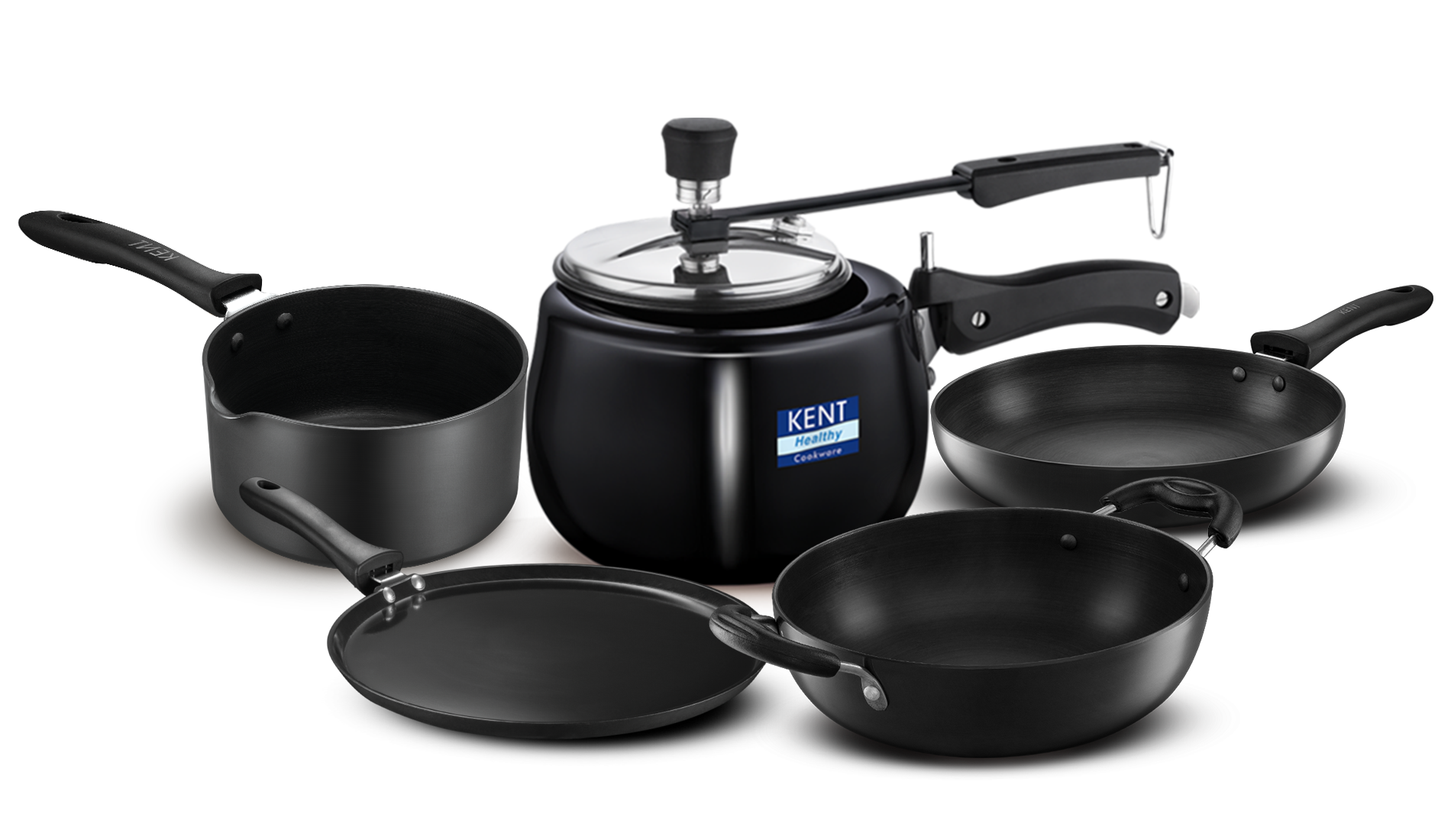
Credit: www.kent.co.in
Common Mistakes
Many people skip preheating the cookware, leading to uneven seasoning. Using too much oil is another common mistake. These errors can affect the cookware’s performance and longevity. Proper technique ensures your hard anodized cookware stays non-stick and durable.
Overheating Issues
Overheatingcan damage hard anodized cookware. It makes the surface rough. Food sticks more when pans are too hot. Heat pans slowly to avoid damage. Use medium heat for the best results. Never use high heat with these pans. It can cause warping and discoloration. Always monitor the heat closely. Turn down the heat if the pan smokes. Keeping the heat low protects your cookware.
Using The Wrong Oil
Not all oils are good for seasoning. Some oils burn quickly. Choose oilswith high smoke points. Canola, peanut, and grapeseed oils work well. Olive oil is not ideal for high heat. It burns fast and leaves residues. Coat the pan with a thin layer of oil. Avoid excess oil to prevent sticky surfaces. Using the right oil ensures a smooth finish. Proper oil choice helps maintain cookware quality.
Expert Advice
Seasoning hard anodized cookware is simple. Clean the cookware with warm, soapy water first. Dry it completely with a towel. Apply a thin layer of cooking oil. Use vegetable or canola oil. Heat the cookware on medium heat for 2 minutes. Let it cool down completely. Repeat this process every few months.
How often should you season? Every few months is best. Can you use olive oil? Olive oil can burn easily. Stick to vegetable or canola oil. Is it safe to use metal utensils? Metal can scratch the surface. Use wooden or plastic utensils for safety.

Credit: www.premierkitchen.in
Frequently Asked Questions
What Are The Disadvantages Of Hard Anodized Cookware?
Hard anodized cookware can be expensive compared to other options. It may not be suitable for high-heat cooking. Some pieces aren’t dishwasher safe, requiring hand washing. Over time, the nonstick coating might wear off. It can also be heavier than other types of cookware.
How To Maintain Hard Anodized Cookware?
Clean hard anodized cookware with mild soap and soft sponge. Avoid metal utensils to prevent scratches. Hand wash and dry immediately to maintain its coating. Store cookware separately to avoid damage. Always cook on low to medium heat to preserve its integrity.
Does Calphalon Need To Be Seasoned?
Calphalon non-stick cookware doesn’t need seasoning. Simply wash before first use. For cast iron or carbon steel, seasoning is necessary. Follow manufacturer guidelines for best results. Proper care extends lifespan and ensures optimal performance.
Can You Use Bar Keepers Friend On Hard Anodized Aluminum?
Yes, you can use Bar Keepers Friend on hard anodized aluminum. Apply gently to avoid scratches. Rinse thoroughly to maintain the surface. Always test on a small area first to ensure compatibility. Follow the manufacturer’s instructions for best results.
Conclusion
Seasoning hard anodized cookware extends its life. It also improves cooking results. Clean the cookware thoroughly first. Apply a thin layer of oil. Heat it gently to seal in the oil. This process creates a non-stick surface. It also protects the cookware from damage.
Repeat the seasoning as needed. Regular care makes cooking enjoyable. You’ll notice better food release. And easier cleaning. These simple steps help maintain your cookware’s quality. Enjoy cooking with confidence. Seasoned cookware brings satisfying results every time. Keep your kitchen tools in great shape.
Happy cooking!