

Imagine being able to create the perfect sear on a steak or the most evenly crispy cornbread, all thanks to your trusty cast iron cookware. But to achieve these culinary wonders, there’s a secret you need to know: the art of seasoning.
If you’ve ever wondered why your grandmother’s skillet always seems to produce better results than modern pans, the answer lies in how well it’s seasoned. Seasoning your cast iron not only enhances its cooking performance but also extends its life, making it a cherished tool in your kitchen.
But how exactly do you transform that dull, rusty surface into a non-stick masterpiece? That’s what we’re here to uncover. By the end of this article, you’ll have the confidence and know-how to season your cast iron cookware like a pro, ensuring every meal you prepare is a triumph. Are you ready to unlock the full potential of your cast iron? Let’s dive in.
Benefits Of Cast Iron Cookware
Cast iron cookware is very strong and lasts a long time. It can handle high heat, making it great for cooking many dishes. Iron pans can be used on stoves, ovens, and even campfires. They are perfect for making delicious meals.
Food cooked in cast iron tastes amazing. The pan keeps heat well, so food cooks evenly. Iron pots add a bit of iron to your diet, which is healthy. Cleaning is easy once they are seasoned.
No need to worry about harmful chemicals with iron pans. They are free from toxins. An iron skillet can be passed down through generations. A good choice for families.
Choosing The Right Cast Iron
New cast ironis often shiny and smooth. It may have a factory coating. This coating helps protect it. Vintage cast iron is older. It may have some rust or stains. But, it can be cleaned and restored. Many people love its unique charm. Both types need seasoning.
Cast iron comes in many sizes and shapes. Small pans are good for eggs. Large ones can hold more food. Round pans are common. Some are square or oval. Choose the size that fits your cooking needs. Think about your stove size, too. Also, check the pan’s weight. Heavy pans can be hard to lift.
Preparing For Seasoning
Start by scrubbing the cookware with a stiff brush. Use hot water and mild soap. Remove all rust and old seasoning. A clean surface is very important. Avoid using harsh chemicals. They can damage the cast iron.
Dry the cookware with a towel immediately after cleaning. This prevents rust. For extra dryness, place the cookware on a stove. Heat it gently until all moisture evaporates. Ensure it’s completely dry before seasoning.
Selecting The Right Oil
Choosing the right oil is important for seasoning. Vegetable oil is a good choice. It is cheap and easy to find. Canola oil is also popular. It leaves a smooth finish. Flaxseed oil is often used by experts. It builds a strong layer. Avocado oil is another option. It has a high smoke point. This helps in creating a strong seasoning.
Some oils are not good for seasoning. Butter and olive oil are bad choices. They burn at low temperatures. This makes them unsuitable. Coconut oil can leave a sticky residue. Corn oil can turn rancid over time. Grapeseed oil is not preferred. It lacks the right properties for seasoning. Always choose oils with high smoke points.
Seasoning Process
Start with a clean pan. Use warm water and soap. Dry it completely. Pour vegetable oil onto the pan. Spread with a paper towel. Cover the entire surface. Don’t forget the sides and handle. Use just a thin coat. Too much oil will make it sticky.
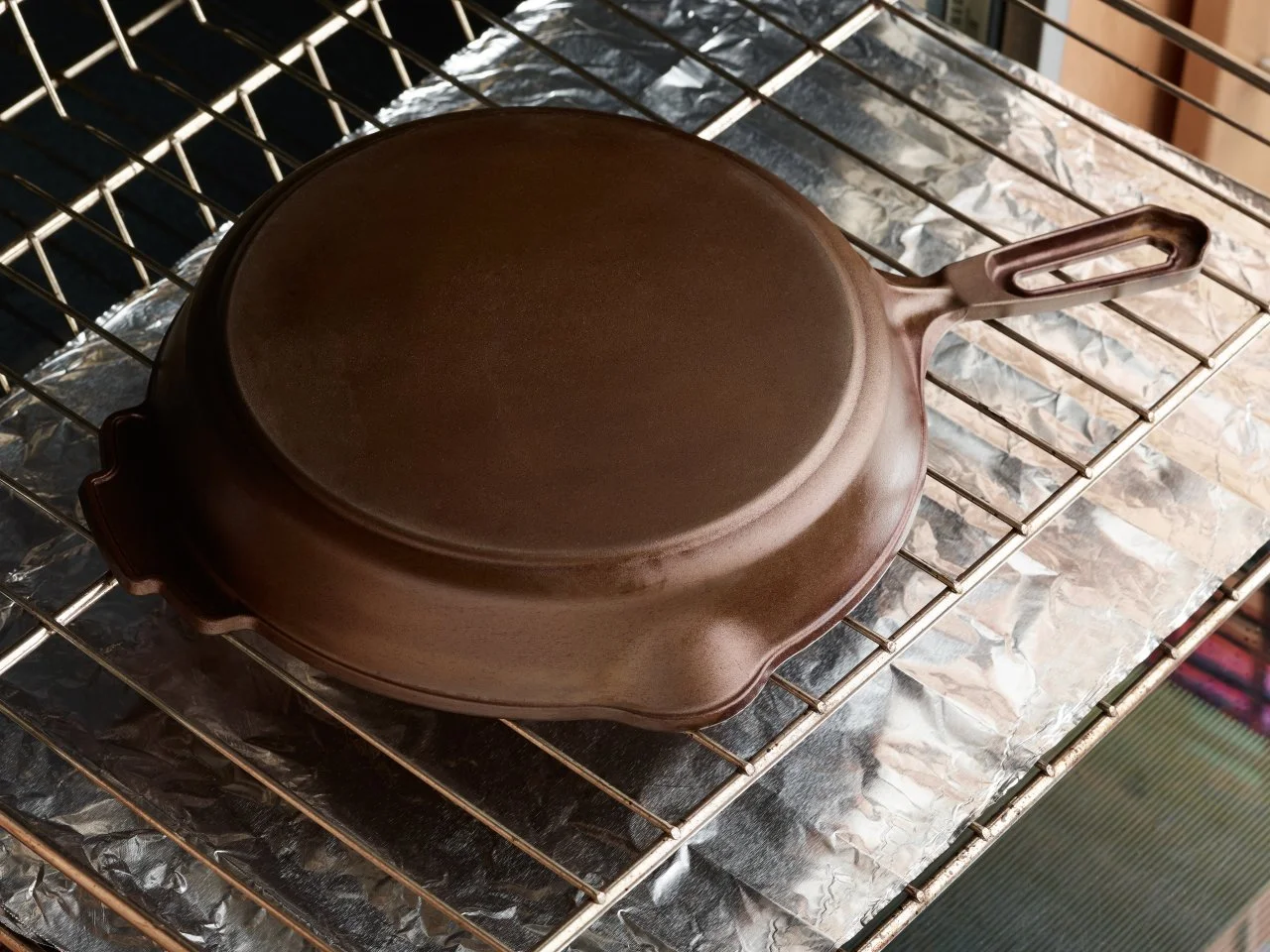
Set your oven to 350 degrees Fahrenheit. Place the pan upside down. Use a baking sheet underneath. This catches any dripping oil. Heat for one hour. Check the time with a timer. The oil bonds with the metal. Creates a non-stick surface. You can use a stovetop too.
Turn off the oven. Leave the pan inside. Let it cool for two hours. Cooling makes the layer strong. Don’t rush this step. A well-seasoned pan lasts long. Repeat these steps if needed. More layers make it better.
:max_bytes(150000):strip_icc()/How-to-Season-Cast-Iron-Skillet-3x2-1-bcd280f1703e47e0a59bb62e86a0d53a.png)
Credit: www.allrecipes.com
Maintaining Seasoned Cast Iron
Clean cast iron with warm water and a soft sponge. Avoid using soap. It can strip away the seasoning. For tough spots, use a small amount of salt. Scrub gently. Rinse and dry quickly. Moisture can cause rust. Never soak the pan in water. This can damage the iron. Always dry the pan thoroughly. A towel works well.
Store cast iron in a dry place. Avoid damp areas. Place a paper towel inside the pan. This absorbs moisture. Stack pans with care. Use a cloth between them. This prevents scratches. Hanging the pan is also a good option. It keeps the pan safe. Avoid storing with the lid on. Air circulation is important. This keeps the pan in good shape.
Troubleshooting Common Issues
Seasoning cast iron cookware prevents rust and enhances flavor. Start by cleaning the pan thoroughly with hot water and soap. Dry completely, then apply a thin layer of vegetable oil, covering all surfaces. Heat the pan in the oven for an hour at 350°F, allowing the oil to bond and form a protective layer.
Dealing With Rust
Rust can harm your cast iron cookware. Start by scrubbing the rust away. Use a soft brush or steel wool. Rinse with water. Dry the cookware with a towel right away. Moisture is rust’s best friend. So always keep your cast iron dry. After cleaning, apply a thin layer of oil. This helps to protect against future rust.
Uneven Seasoning Fixes
Uneven seasoning might make food stick. To fix this, clean the surface first. Use warm water and a soft cloth. Dry it well. Apply a thin coat of oil. Then, heat the cookware in the oven. Set the oven to 350°F. Leave it there for an hour. Let it cool slowly inside the oven. This process helps even the surface.
Enhancing Seasoning Over Time
Regular cooking helps improve your cast iron’s seasoning. Heat and oils from food aid this process. Each use adds a thin layer of protection. This makes the surface smooth and non-stick. Cooking fatty foods like bacon is great. They leave behind oils that enhance the seasoning. A well-seasoned pan is less prone to rust. It also delivers better-tasting food. Frequent use means less maintenance work. Enjoy cooking and caring for your cast iron!
Re-seasoning is simple and can be done at home. First, clean the pan with hot water. Remove all food bits and dry it well. Apply a thin layer of vegetable oil. Make sure it covers the entire surface. Put the pan in an oven upside down. Heat it at 350°F for one hour. Let it cool in the oven. This process helps restore the non-stick layer. Repeat every few months for best results. Your cookware will thank you!
Faqs On Cast Iron Seasoning
Yes, new cast iron needs seasoning. It helps create a natural, non-stick surface. Pre-seasoned pans might need extra seasoning for best results.
Season your pan after every use. It maintains the non-stick surface. Frequent seasoning keeps your cookware in perfect shape.
Soap can be used but not always. Mild soap is fine for cleaning. Avoid harsh chemicals that may strip the seasoning.
Use vegetable oil or canola oil. They are commonly available and work well. Avoid oils with low smoke points.
Credit: www.foodnetwork.com

Credit: www.bbcgoodfood.com
Frequently Asked Questions
What Is The Best Oil To Season A Cast Iron Skillet?
Use flaxseed oil for seasoning a cast iron skillet. It offers a durable, non-stick finish. Other oils like vegetable or canola also work well. Apply a thin layer and bake at high temperature. Proper seasoning enhances skillet performance and longevity.
Always choose oils with high smoke points for best results.
Should I Season Cast Iron At 350 Or 450?
Season cast iron at 450°F for best results. This temperature creates a durable, non-stick layer. Clean and dry the skillet first. Apply a thin coat of vegetable oil. Place it upside-down in the oven for an hour. Let it cool completely before use.
How Many Layers Should You Season A Cast Iron Skillet?
Season a cast iron skillet with two to three thin layers of oil. Each layer should be baked for an hour. Use vegetable oil or flaxseed oil for best results. This process creates a non-stick surface and protects the skillet from rust.
How To Keep Food From Sticking To Cast Iron?
To prevent food from sticking, preheat the cast iron pan and apply a thin layer of oil. Use enough oil to coat the surface evenly. Ensure your pan is well-seasoned by regularly applying a light coat of oil after each use.
Avoid cooking cold food directly from the fridge.
Conclusion
Seasoning cast iron cookware is simple. Clean it well first. Dry it completely. Apply a thin layer of oil. Heat it until it smokes. Repeat these steps for a strong layer. This creates a non-stick surface. Protects from rust too.
Remember, regular maintenance is key. Use the right oils. Avoid soap during cleaning. Store in a dry place. Your cookware will last longer. Cooking becomes more enjoyable. With care, cast iron shines. Perfect for many recipes. Enjoy delicious meals. Happy cooking!