

Are you ready to get the best flavor and longest life out of your electric grill? Seasoning your grill might sound simple, but it’s the secret step that turns ordinary cooking into something amazing.
When you know how to season an electric grill properly, you protect it from rust, prevent food from sticking, and make every meal taste better. Keep reading, and you’ll discover easy, step-by-step tips that anyone can follow. Your next grill session will never be the same!
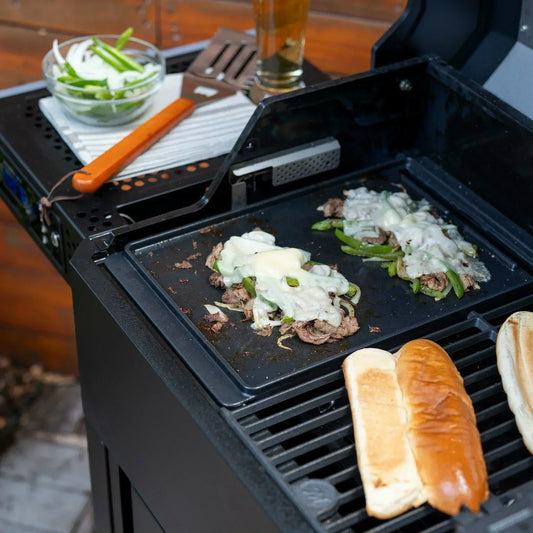
Credit: www.masterbuilt.com
Why Season An Electric Grill
Seasoning an electric grill prepares the cooking surface for use. It helps create a non-stick layer that makes grilling easier.
Without seasoning, food can stick and damage the grill plate. Seasoning also protects the grill from rust and wear.
Benefits Of Seasoning
Seasoning your electric grill improves its performance and lifespan. It makes cleaning easier and helps food cook evenly.
- Creates a smooth, non-stick cooking surface
- Enhances the flavor of grilled food
- Protects the grill plate from damage
- Makes cleaning faster and simpler
- Helps the grill last longer
Preventing Rust And Sticking
Seasoning forms a protective barrier on the grill’s surface. This barrier stops moisture from causing rust.
| Without Seasoning | With Seasoning |
|---|---|
| Food sticks to the grill plate | Food slides off easily |
| Grill plate rusts quickly | Surface stays rust-free longer |
| Hard to clean after use | Cleaning is quick and simple |

Credit: www.youtube.com
Choosing The Right Oil
Seasoning an electric grill keeps food from sticking and protects the surface. Picking the right oil is key for good seasoning. The oil must handle high heat without burning.
Oils vary in smoke point, flavor, and how they react to heat. This guide helps you select the best oil for your electric grill.
High Smoke Point Oils
Oils with high smoke points work best for seasoning. They do not burn easily and create a smooth, protective layer on the grill.
- Avocado oil – smoke point about 520°F (271°C)
- Refined coconut oil – smoke point about 450°F (232°C)
- Grapeseed oil – smoke point about 420°F (216°C)
- Peanut oil – smoke point about 450°F (232°C)
- Safflower oil – smoke point about 510°F (266°C)
- Sunflower oil – smoke point about 450°F (232°C)
Oils To Avoid
Some oils burn quickly or leave sticky residue. These oils can ruin the grill surface or give food bad taste.
| Oil Type | Reason to Avoid |
|---|---|
| Extra virgin olive oil | Low smoke point, burns easily |
| Butter and margarine | Contains milk solids, burns fast |
| Flaxseed oil | Can become sticky and hard |
| Unrefined oils | Often have low smoke points |
Preparing The Grill Surface
Seasoning your electric grill keeps it working well and stops food from sticking. Preparing the grill surface correctly is key before you start seasoning.
Cleaning and drying the grill properly help the oil stick and create a smooth cooking surface.
Cleaning Before Seasoning
Remove any leftover food and grease from the grill surface. This lets the oil soak into the metal evenly.
- Unplug the grill and let it cool completely.
- Use a soft cloth or sponge with warm soapy water.
- Gently scrub the grill plates to remove dirt and debris.
- Wipe the surface with a clean damp cloth to remove soap.
- Never use harsh chemicals or metal brushes.
Drying The Grill
Dry the grill surface well to avoid rust and ensure the oil spreads properly.
| Drying Method | Description |
| Air Dry | Leave the grill open and let it dry naturally for 30 minutes. |
| Towel Dry | Use a clean, dry cloth to wipe the surface gently. |
| Low Heat Dry | Turn on the grill for a few minutes to evaporate any moisture. |
Seasoning Steps
Seasoning an electric grill helps create a non-stick surface. It also protects the grill from rust and damage.
This guide shows simple steps to season your electric grill safely and effectively.
Applying Oil Evenly
Start by cleaning the grill plates with a damp cloth. Then, apply a thin layer of cooking oil to the entire cooking surface.
- Use a paper towel or brush for even coverage
- Choose oils with high smoke points like vegetable or canola oil
- Avoid using too much oil to prevent sticky buildup
Heating The Grill Properly
After oiling, turn on the grill and set it to a medium-high temperature. Let the grill heat until the oil starts to smoke slightly.
| Temperature Setting | Heating Time | What to Watch For |
|---|---|---|
| Medium-High | 10-15 minutes | Oil begins to smoke lightly |
| Turn Off | After heating | Let grill cool before next step |
Repeating The Process
To build a strong seasoning layer, repeat the oiling and heating steps two or three times. Each layer adds protection and improves non-stick quality.
- Apply oil evenly on the grill surface
- Heat the grill until the oil smokes
- Turn off and let it cool
- Repeat as needed for better seasoning
Maintenance Tips
Keeping your electric grill in good condition helps it last longer. Regular care makes cooking easier and safer.
Seasoning your grill is part of maintenance. It protects the surface and improves food taste.
Cleaning After Use
Clean your electric grill after every use. This stops food and grease from building up.
Use a soft cloth or brush to remove loose bits. Avoid harsh tools that can damage the surface.
- Unplug the grill and let it cool down.
- Wipe the plates with a damp cloth.
- Use mild soap if needed, then rinse with water.
- Dry completely to prevent rust or damage.
Re-seasoning Frequency
Re-season your electric grill regularly to keep the surface non-stick. This also stops rust from forming.
How often you season depends on how much you use the grill. Frequent use means more frequent seasoning.
- Season before first use to protect the surface.
- Re-season every 10 to 15 uses or after deep cleaning.
- If food starts sticking, it is time to season again.
- Apply a thin layer of cooking oil when seasoning.

Credit: www.wired.com
Troubleshooting Common Issues
Seasoning an electric grill can sometimes cause problems. These issues affect how well the grill cooks and cleans.
Knowing how to fix common problems helps keep your grill working well and lasting longer.
Sticky Residue
Sticky residue often appears after seasoning if oil is used in excess or not heated properly. This residue can cause food to stick and burn.
To avoid sticky residue, use a thin layer of oil and heat the grill to the right temperature during seasoning.
- Wipe off extra oil before heating
- Heat grill slowly to allow oil to bond
- Use oils with a high smoke point like canola or vegetable oil
- Clean grill surface gently before reseasoning
Uneven Seasoning
Uneven seasoning happens when oil is not spread evenly or heat is inconsistent. Some parts of the grill may have thick layers while others remain bare.
This problem can cause hot spots and uneven cooking on your grill.
- Apply oil in a thin, even coat
- Use a brush or cloth to spread oil across all surfaces
- Preheat grill to a steady temperature before seasoning
- Rotate or move grill plates if possible for even heat
Frequently Asked Questions
How Do I Start Seasoning An Electric Grill?
To season an electric grill, first clean it thoroughly with soap and water. Dry completely with a cloth. Apply a thin layer of vegetable oil on the cooking surface. Turn on the grill to medium heat and let the oil bake in for about 15 minutes.
Why Is Seasoning My Electric Grill Important?
Seasoning creates a non-stick surface on your grill, preventing food from sticking. It also protects the grill from rust and enhances the flavor of your food. Regular seasoning can extend the lifespan of your electric grill, ensuring it performs optimally every time you use it.
Can I Use Olive Oil To Season My Grill?
Yes, you can use olive oil to season your electric grill. However, vegetable or canola oil is often recommended due to their higher smoke points. These oils create a more durable non-stick surface. Always ensure the oil is applied thinly and evenly across the grill surface.
How Often Should I Season My Electric Grill?
It’s best to season your electric grill before its first use and after every few uses. Regular seasoning maintains the non-stick surface and prevents rust. If you notice food starting to stick, it’s a sign to season it again. Consistent maintenance keeps your grill in top condition.
Conclusion
Seasoning an electric grill keeps it working well and stops food from sticking. Clean the grill first, then apply oil evenly. Heat it slowly to lock in the seasoning. Repeat this process regularly for best results. A well-seasoned grill makes cooking easier and tastier.
Take your time and enjoy the process. Your grill will last longer and cook better. Simple steps can make a big difference in grilling. Keep your grill ready for every meal with proper care.