
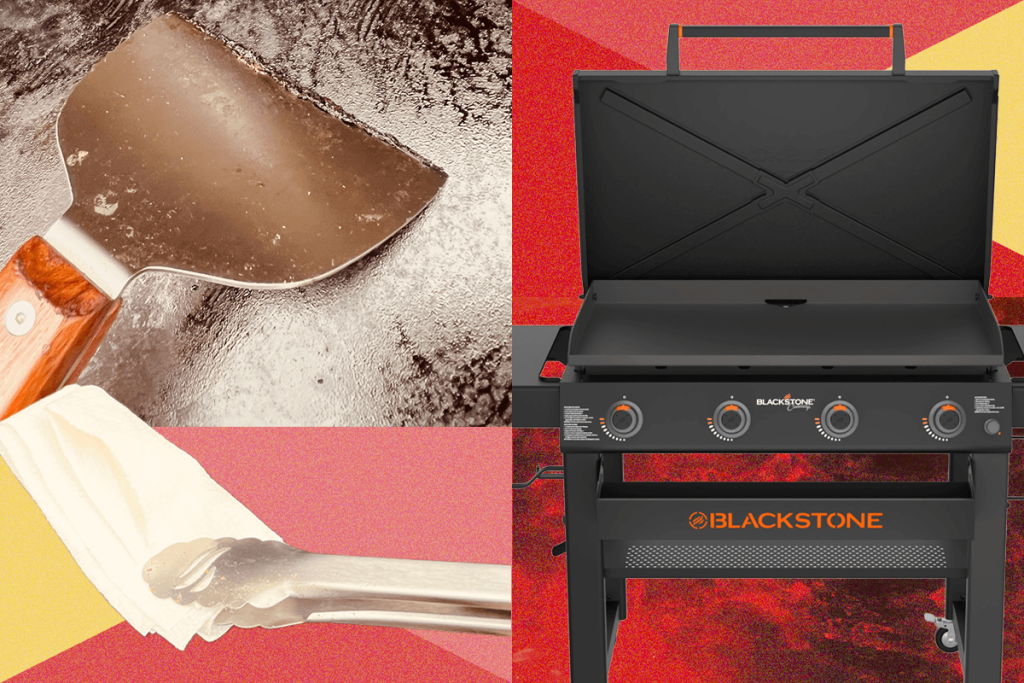
If you want your grill griddle plate to last longer and cook food perfectly every time, seasoning it is a must. You might think it’s just about slapping on some oil, but there’s more to it.
When you learn how to season your grill griddle plate the right way, you unlock better flavors, prevent sticking, and protect your investment from rust. Ready to discover simple steps that make a big difference? Keep reading, and you’ll be grilling like a pro in no time.
Choosing The Right Griddle Plate
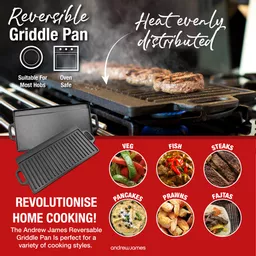
Griddle plates come in different materials. Cast iron holds heat well and cooks food evenly. Stainless steel is easy to clean and resists rust. Aluminum heats quickly but may not last as long. Choose the material that fits your cooking style and care habits.
Size and shape matter for your cooking needs. A larger griddle gives more space for food. Smaller plates are easier to handle and store. Rectangular shapes suit most grills, while round plates fit some round grills better. Think about your grill size and the food you cook most.
Credit: andrewjamesworldwide.com
Preparing The Griddle Plate
The griddle plate often has a factory coatingto protect it during shipping. This coating must be removed before seasoning. Use warm water and a mild soapto clean the surface. Avoid harsh chemicals or metal scrubbers that can damage the plate. Rinse thoroughly to remove all soap.
After washing, dry the plate completely. Use a clean cloth or paper towels to avoid rust. Any leftover moisture can cause problems during seasoning. Make sure the griddle is completely drybefore moving on.
Removing the coating is important for a good seasoning layer. The seasoning helps protect the plate and improves food taste. A clean, dry griddle plate is ready for the next steps.
Selecting The Best Oil
Oils with high smoke pointsare best for seasoning a grill griddle plate. These oils can handle high heat without burning. Examples include canola oil, grapeseed oil, and peanut oil. They create a strong, durable layer that protects the griddle and helps food cook evenly.
Avoid using oils that burn easily, like olive oil or butter. These have low smoke pointsand can leave a sticky or burnt residue. Also, steer clear of oils with unhealthy fats, such as partially hydrogenated oils. These can release harmful chemicals when heated.
- Choose oils with smoke points above 400°F (204°C)
- Use neutral-flavored oils for better taste
- Avoid oils that leave a bad smell when heated
Seasoning Process Step-by-step
Spread a thin layer of cooking oilover the griddle plate. Use a cloth or paper towel for even coverage. Make sure every part is coated but not dripping.
Heat the griddle on medium to high heat. Let the oil start to smoke slightly. This helps the oil bond with the metal surface.
Turn off the heat and allow the griddle to cool down naturally. Once cooled, repeat the oiling and heating steps 2 to 3 times. This builds a strong, non-stick layer.
Maintaining Your Seasoned Griddle
Cleaning a griddle plate right after cooking keeps it in good shape. Use a scraper or spatula to remove food bits while the plate is still warm. Avoid using soap; warm water and a soft cloth work best to keep the seasoning intact. Dry the surface completely to stop rust from forming. Lightly coat the plate with cooking oil after drying. This helps keep the surface non-stick and protects the metal.
Re-seasoning keeps your griddle working well over time. Heat the griddle on medium for a few minutes before applying a thin layer of oil. Use an oil with a high smoke point, like vegetable or canola oil. Let the oil bake into the surface until it stops smoking. This process builds up the protective coating and keeps food from sticking. Repeat this every few months or when the surface looks dull or sticky.

Credit: www.amazon.com
Troubleshooting Common Issues
A sticky surfaceusually means the griddle is not well-seasoned. Clean it with warm water and a soft sponge. Avoid soap as it can remove the seasoning layer. Heat the griddle and apply a thin layer of cooking oil. Let it bake on medium heat for 10-15 minutes. This helps create a non-sticksurface. Repeat if stickiness remains.
For rust removal, scrub the rust spots with steel wool or a stiff brush. Rinse with warm water and dry completely. Then, apply a thin layer of oil and heat the griddle. This stops rust from coming back. Store the griddle in a dry place to keep it rust-free.

Credit: www.popularmechanics.com
Frequently Asked Questions
What Is The Best Oil For Seasoning A Griddle?
The best oil for seasoning a griddle is one with a high smoke point. Options like canola, grapeseed, or flaxseed oil are ideal. These oils create a durable, non-stick surface. Ensure the griddle is clean before applying oil. Use a thin layer and heat until it smokes.
How Often Should You Season Your Grill Griddle?
You should season your grill griddle every few uses or when food begins to stick. Regular seasoning maintains a non-stick surface. It also prevents rusting and enhances flavor. A well-seasoned griddle improves cooking performance. Always clean and dry the griddle before seasoning it again.
Can You Use Olive Oil To Season A Griddle?
Olive oil is not ideal for seasoning due to its low smoke point. It can burn easily, creating an uneven surface. Instead, choose oils like canola or grapeseed. These oils withstand high heat and provide better seasoning. Ensure the griddle is clean and dry before applying any oil.
Why Does My Griddle Plate Rust?
Rust forms when the griddle is exposed to moisture without proper seasoning. Insufficient oil layers can lead to rust. Always dry your griddle completely after washing. Season it with a high smoke point oil to prevent rust. Regular maintenance ensures a rust-free cooking surface.
Conclusion
Seasoning your grill griddle plate helps protect it and improve cooking. A well-seasoned griddle stops food from sticking and adds great flavor. Regular care keeps the surface smooth and rust-free. Take time to clean and season after each use. This simple habit makes your griddle last longer and cook better.
Enjoy tasty meals with less effort. Keep your griddle ready for every barbecue or breakfast. Small steps create big results in your cooking experience.