

Your cutting board is more than just a kitchen tool—it’s where your meals begin. But if it’s dry, cracked, or stained, it can affect your food and even harbor bacteria.
Knowing how to season a cutting board is a simple step that can protect your investment and keep your kitchen safe. In this guide, you’ll discover easy, effective ways to bring your board back to life and keep it ready for every meal you create.
Ready to give your cutting board the care it deserves? Let’s get started.
Why Seasoning Matters
Seasoning a cutting boardhelps protect it from water damage. Wood can absorb moisture, which may cause it to swell or grow mold. Applying oil creates a barrierthat keeps water out.
Wood can crack or warpif it dries unevenly. Regular seasoning keeps the wood stableand prevents these problems. This means your board stays flat and safe to use.
Seasoning also makes the board last longer. It strengthensthe wood, so it can handle daily cutting without falling apart. A well-seasoned board looks better and works well for years.
Choosing The Right Oil
Choosing the right oil is importantto keep your cutting board safe and long-lasting. Food-safe oilsprotect wood from water and cracking. Good choices include mineral oil, walnut oil, and beeswax blends. These oils do not go bad or make food unsafe.
Oils to avoid are vegetable oilslike olive, canola, or sunflower oil. They can turn stickyor rancidover time and harm your board.
| Benefit | Why Mineral Oil? |
|---|---|
| Food-Safe | Does not spoil or go rancid |
| Easy to Find | Available in most stores |
| Inexpensive | Affordable for all budgets |
| Protects Wood | Prevents cracking and warping |
Preparing The Cutting Board
Start by washing the cutting board with warm water and mild soap. Use a sponge to remove any dirt or stains. Avoid soaking the board in water, as it can cause warping or cracking.
Sand the surface gently using fine-grit sandpaper. This step smooths rough spots and removes old finish or scratches. Wipe off dust with a clean cloth after sanding.
Let the board dry completely before applying any oil. Place it in a warm, dry place for several hours or overnight. Proper drying prevents mold and helps oil soak in well.

Credit: ca.style.yahoo.com
Step-by-step Seasoning Process
Use a clean, dry cloth to spread a thin layer of food-safe oil. Make sure the oil covers the entire surface evenly. Don’t pour too much oil at once; small amounts work best. Rubbing the oil in circular motions helps it soak well.
Let the oil sit on the board for several hours or overnight. This gives the wood time to absorb the oil deeply. A well-soaked board is protected from water and stains. Avoid using the board until the oil fully soaks in.
After soaking, wipe off any extra oil with a clean cloth. Removing excess oil stops the surface from feeling sticky or greasy. The board should look smooth and slightly shiny but not oily. This keeps the cutting board ready for use.
Maintaining Your Board
Oiling your cutting board keeps it strong and safe. Apply food-grade mineral oil every few weeks. Spread oil evenly and let it soak overnight. Wipe off excess oil before using the board again.
Clean the board with warm, soapy water right after use. Avoid soaking it in water or putting it in the dishwasher. Dry it quickly with a towel to stop warping or cracking.
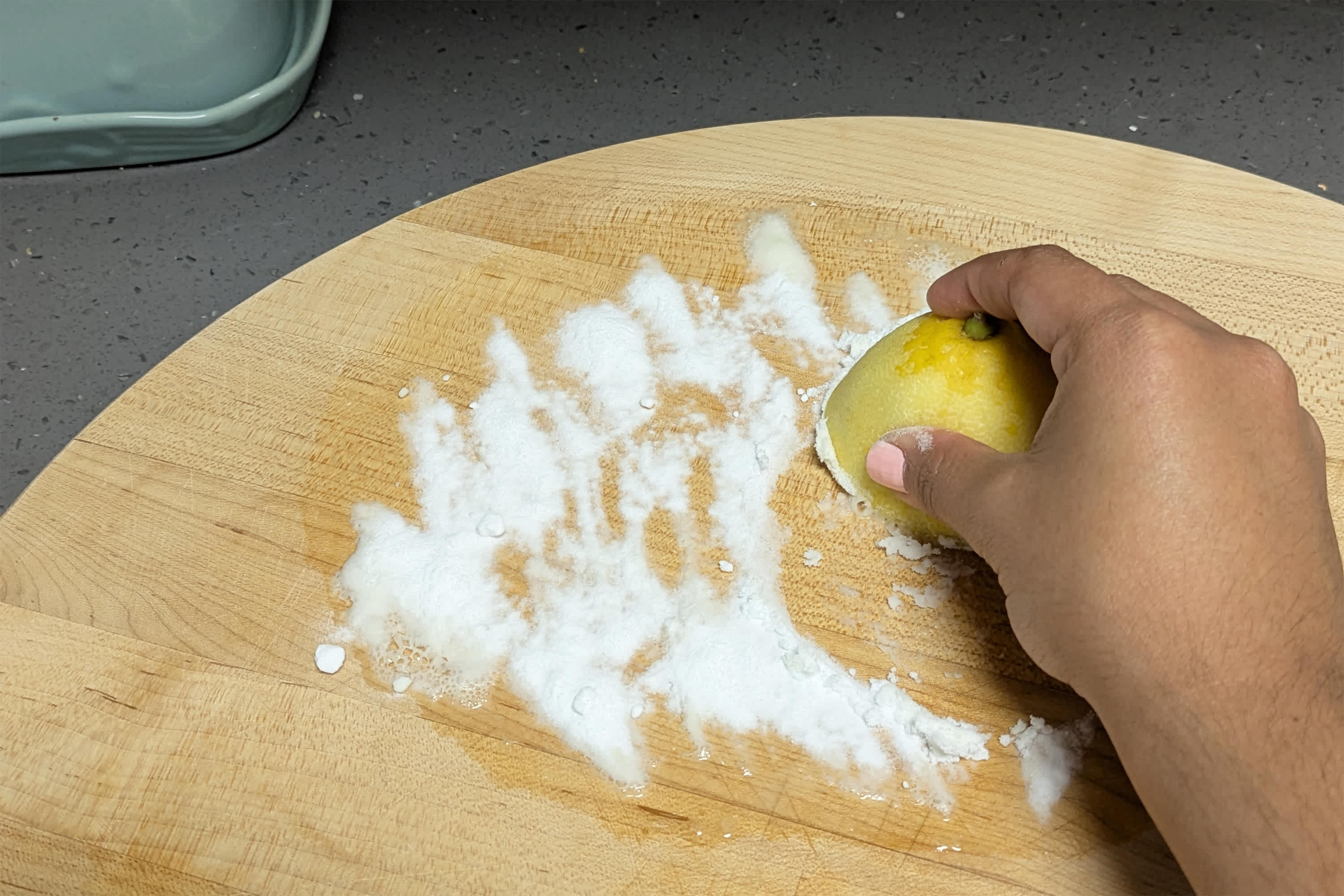
Stains and smells can be removed with simple tricks. Rub the board with coarse salt and a lemon half. Let it sit for a few minutes, then rinse well. Baking soda paste also works for tough odors and stains. Always dry the board fully before storing.
Credit: www.thekitchn.com
Common Mistakes To Avoid
Using the wrong oilscan ruin your cutting board. Avoid vegetable and olive oils. They can turn sticky and rancid. Use food-grade mineral oilor special cutting board oil instead. These oils soak in and protect wood well.
Over-soaking the boardmakes wood swell and crack. Never soak your board in water for long. Wipe it clean and dry it quickly after washing. This keeps it strong and smooth.
Neglecting maintenancecauses damage over time. Regular oiling keeps the board from drying out. Clean the board well before oiling. This stops bacteria and keeps your board safe for food.
Alternative Seasoning Methods
Beeswax and oil mixcreates a natural, protective layer on wood. Melt beeswax and mix with mineral oil or coconut oil. Apply the warm mix with a cloth. Let it soak for a few hours or overnight. Buff the board to a shine. This mix repels water and keeps the wood smooth.
Commercial board conditionersare easy to use. They often contain mineral oil and beeswax. Apply with a clean cloth. These products help prevent cracks and stains. Follow the instructions on the label for best results. They are good for quick maintenance.
- Natural remedieslike olive oil are common but can go rancid.
- Coconut oil is better as it resists spoiling.
- Use lemon juice to freshen and remove odors.
- Salt scrub can clean stains before seasoning.
Credit: www.webstaurantstore.com
Frequently Asked Questions
How Often Should I Season A Cutting Board?
Season your cutting board every 3 to 4 weeks. Regular seasoning prevents drying and cracking, extending its lifespan. Frequent use may require more frequent oiling to maintain a smooth surface and protect the wood.
What Oil Is Best For Seasoning Cutting Boards?
Food-grade mineral oil is best for seasoning cutting boards. It’s safe, odorless, and doesn’t go rancid. Avoid vegetable or olive oils as they can spoil and cause unpleasant smells or sticky surfaces.
Can I Use Beeswax To Season My Cutting Board?
Yes, beeswax can be used along with mineral oil. It creates a protective barrier, sealing the wood and adding extra moisture resistance. Use a mixture of mineral oil and beeswax for best results.
How Do I Prepare My Cutting Board Before Seasoning?
Clean your cutting board with warm, soapy water and dry thoroughly. Sand any rough spots lightly with fine-grit sandpaper. Ensure the board is completely dry before applying oil or wax.
Conclusion
Seasoning a cutting board keeps it strong and safe for food. Regular oiling stops cracks and warping. Clean your board well before applying oil. Use natural oils like mineral or beeswax. Let the oil soak in fully each time. This simple care extends your board’s life.
Your cutting board will look and feel better. A well-seasoned board protects your food from germs. Keep up this easy routine for best results. Enjoy cooking with a board that lasts longer. Simple steps make a big difference in kitchen care.