
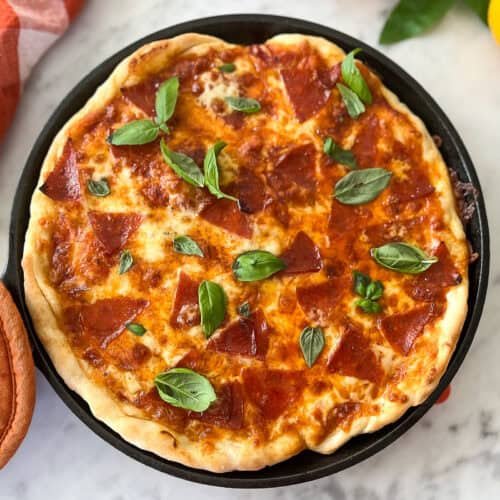
Imagine the perfect slice of pizza: golden crust, bubbling cheese, and toppings that make your taste buds dance. Now, picture achieving that perfection right in your own kitchen.
The secret? A ceramic pizza stone. But to truly unlock its potential, you need to know how to season it just right. Seasoning your ceramic pizza stone can transform your homemade pizza from ordinary to extraordinary. It’s like giving your stone a magic touch that enhances flavors and ensures every slice is baked to perfection.
You might wonder, “Why should I bother? ” Well, seasoned stones offer better heat distribution, prevent sticking, and improve the overall taste of your pizza. Ready to discover the simple steps that will elevate your pizza game? Dive into this guide, and you’ll be crafting pizzas that not only taste like they came from a high-end pizzeria but also leave your family and friends begging for more.

Credit: www.emilehenryusa.com
Choosing The Right Pizza Stone
Ceramic pizza stones need proper seasoning to prevent sticking and cracks. Apply a thin layer of oil and bake it slowly for best results. This process strengthens the stone and improves pizza baking.
Material Types
Ceramic stonesheat evenly and hold heat well. They are good for making crispy crusts. Cordierite stonesare stronger and resist cracking. Steel stonesheat faster but do not absorb moisture like ceramic.
Size And Thickness
Choose a stone that fits inside your oven. Thicker stones hold heat longer but take more time to heat up. Thin stones heat quickly but may cool down fast.
Pre-seasoned Vs Unseasoned
Pre-seasoned stones come ready to use and resist sticking. Unseasoned stones need to be seasoned before first use. Seasoning helps to create a non-stick surface and protect the stone.
Preparing The Stone For Seasoning
Remove any dust or dirt from the ceramic pizza stone with a soft brush or cloth. Avoid using soap or detergent as it can soak into the stone and affect its performance.
Rinse the stone gently with warm water only. Do not soak the stone in water as it can absorb too much moisture and crack during heating.
Dry the stone completely before seasoning. Use one of these drying techniques:
- Air dry for several hours in a warm, dry place.
- Place the stone in a cool oven and heat at low temperature (200°F/93°C) for 30 minutes.
Ensure the stone is fully dry to avoid steam damage when seasoning.
Seasoning Methods
Using oil for seasoning helps protect the ceramic surface. Lightly coat the stone with a thin layer of vegetable or olive oil. Avoid thick layers to prevent sticky residue. Use a cloth or paper towel for even spreading. Let the stone absorb oil at room temperature before baking.
Baking the stone seals the oil and strengthens the surface. Preheat the oven to 350°F (175°C). Place the oiled stone in the oven for about 1 hour. This process helps the stone resist sticking and cracking. After baking, let the stone cool naturally inside the oven.
Alternative seasoning approaches include:
- Using flour or cornmeal to create a non-stick layer during baking.
- Heating the stone without oil to burn off factory residues.
- Applying a thin coat of beeswax and baking it for protection.

Credit: www.emilehenryusa.com
Maintaining Your Pizza Stone
Clean the pizza stone only when it cools down completely. Avoid using soap or detergent, as the stone can absorb them. Use a stiff brush or scraper to remove stuck food bits. Wipe with a damp cloth and air dry fully before storing. Never soak the stone in water to prevent cracking.
Never expose the stone to sudden temperature changes. Avoid using metal utensils to stop scratches. Avoid storing in damp places to prevent mold or damage.
To re-season, apply a thin layer of vegetable oil to the stone surface. Heat the stone in the oven at 350°F (175°C) for about one hour. This helps fill pores and keeps the stone non-stick. Repeat this process every few months or when the surface looks dry.
Cooking Tips For Perfect Pizzas
Preheat the ceramic pizza stone in the oven before baking. Place the stone on the middle rack to heat evenly. Set the oven temperature between 450°F to 500°Ffor the best results. Allow the stone to heat for at least 30 minutesto avoid cracking and to ensure a crispy crust.
Ideal baking temperatures depend on the pizza type. Thin crust pizzas bake well at 475°F to 500°F. Thicker crusts need a slightly lower temperature, around 425°F to 450°F. Always preheat the stone at the chosen temperature to keep heat steady.
| Handling | Safety |
|---|---|
| Use oven mitts to handle the hot stone. | Never place a hot stone on a cold surface; it may crack. |
| Let the stone cool down completely before cleaning. | Clean with warm water only; avoid soap and detergent. |
| Avoid sudden temperature changes to protect the stone. | Store the stone in a dry place when not in use. |

Credit: www.yahoo.com
Frequently Asked Questions
How Often Should I Season A Ceramic Pizza Stone?
Season your ceramic pizza stone before first use and every 3 to 6 months. Regular seasoning prevents sticking and enhances flavor. Avoid over-seasoning to keep the stone’s surface optimal. Proper care extends the stone’s life and improves pizza quality.
What Oil Is Best For Seasoning A Ceramic Pizza Stone?
Use high-smoke-point oils like flaxseed, grapeseed, or vegetable oil. These oils create a durable, non-stick coating on the stone. Avoid low-smoke-point oils that can burn and damage the surface. Proper oil choice ensures effective seasoning and long-lasting results.
Can I Season My Ceramic Pizza Stone In The Oven?
Yes, you can season your ceramic pizza stone in the oven. Preheat the oven, apply a thin oil layer, and bake the stone at 375°F for about an hour. This method helps the oil bond with the stone, creating a non-stick surface.
Why Is Seasoning Important For Ceramic Pizza Stones?
Seasoning creates a natural non-stick layer that improves cooking performance. It prevents dough from sticking and enhances heat retention. Proper seasoning also protects the stone from moisture and cracks. This process ensures better pizza crusts and longer stone durability.
Conclusion
Seasoning a ceramic pizza stone helps it last longer and cook better. It creates a natural non-stick surface for your pizzas. Use a little oil and bake it slowly. Keep your stone clean by wiping it after use. Avoid soap or soaking it in water.
With simple care, your stone will serve you well. Enjoy crispy, delicious pizzas every time. Happy baking!