

Imagine the savory aroma of a perfectly grilled steak sizzling on a cast iron skillet. It’s a scene straight out of your culinary dreams, isn’t it?
But achieving that mouthwatering perfection isn’t just about the right cut of meat or the freshest vegetables. It starts with a well-seasoned cast iron skillet. You might be wondering if your skillet is up to the task. Here’s where the magic begins.
Properly seasoning your cast iron not only enhances flavor but also ensures a non-stick surface, making your grilling effortless and delightful. Dive into this guide, and discover how you can transform your skillet into the ultimate grilling tool, promising you meals that are as delicious as they are memorable. Ready to elevate your grilling game? Let’s get started.
Choosing The Right Cast Iron Skillet
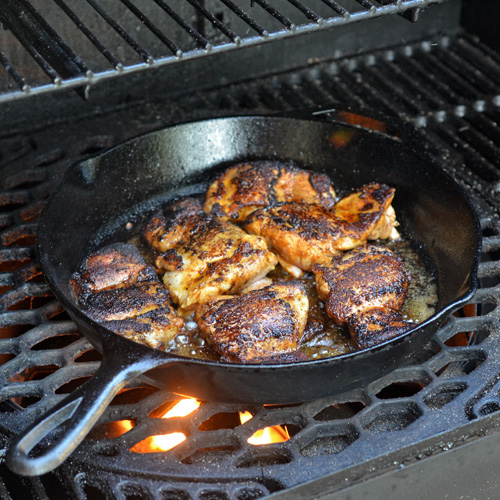
Choosing the right cast iron skilletis key for great grilling. Consider the size and weightfirst. A smaller skillet heats faster and is easier to handle. Larger skillets hold more food but can be heavy and hard to move. Pick a size that fits your grill and your strength.
Deciding between pre-seasonedand bare skilletsmatters too. Pre-seasoned skillets come ready to use, saving time. Bare skillets need seasoning but let you control the process. Both can work well for grilling, but seasoning your own means a stronger, more durable surface over time.
Credit: www.nibblemethis.com
Preparing Your Skillet For Seasoning
Start by rinsing your cast iron skillet with warm water. Use a sponge or brush to remove food bits. Avoid soap as it can strip the seasoning. Dry the skillet completely with a clean towel or by heating it on the stove for a few minutes. This prevents rust from forming.
For rust or stuck-on residue, scrub with steel wool or a coarse scrubber. Rinse well to remove all particles. Repeat if needed until the surface is smooth and clean. Make sure the skillet is fully dry before moving on to seasoning.
Selecting The Best Oil For Seasoning
Choosing the right oilis very important for seasoning cast iron skillets. Oils with a high smoke point work best. These oils create a strong, non-stick layer that lasts long.
- Flaxseed oil – dries hard and forms a durable coating.
- Vegetable oil – easy to find and has a good smoke point.
- Canola oil – affordable and works well for seasoning.
- Grapeseed oil – has a high smoke point and is light.
- Sunflower oil – good for seasoning due to its heat tolerance.
Oils to avoid:
- Butter or margarine – burns quickly and leaves sticky residue.
- Olive oil – has a low smoke point and can cause sticky build-up.
- Coconut oil – solid at room temperature and may not form a good layer.
- Lard or animal fats – can go rancid and smell bad over time.

Credit: m.youtube.com
Seasoning Methods For Grilling Skillets
Oven seasoningis a simple and effective way to prepare your cast iron skillet. Start by cleaning the skillet with warm water and mild soap. Dry it completely. Rub a thin layer of vegetable oil or melted shortening all over the skillet, inside and out. Place the skillet upside down in a cold oven. Heat the oven to 450°F (232°C) and bake for one hour. Let the skillet cool in the oven before removing it. This method creates a strong, even coating that protects the skillet and helps food release easily.
For stovetop seasoning, heat the skillet on low to medium heat. Add a small amount of oil and spread it evenly using a paper towel. Heat the skillet until the oil starts to smoke lightly. Remove from heat and let it cool. Repeat this process 2-3 times for a better layer. This method is quick and good for touch-ups between uses.
The grill seasoningmethod uses your outdoor grill. Clean and dry the skillet well. Apply a thin layer of oil all over the skillet. Place it upside down on the grill grates, close the lid, and heat at medium-high for about an hour. Turn off the grill and let the skillet cool inside. This method adds a smoky flavor and builds a strong seasoning layer perfect for grilling.
Step-by-step Seasoning Process
Start by wiping the skillet clean and dry. Use a small amount of oil with a high smoke point, like vegetable or flaxseed oil. Spread the oil evenly over the entire surface. Don’t forget the sides and handle.
Place the skillet upside down in a preheated oven at 450°F (232°C). Put a sheet of foil below to catch drips. Heat for one hour to let the oil bond to the metal. Turn off the oven and let the skillet cool slowly inside.
For a strong, non-stick layer, repeat the oiling and heating steps 2 to 3 times. Each layer builds a better seasoning. The skillet will look darker and feel smoother with each cycle.

Credit: www.reddit.com
Maintaining Seasoning After Use
Cleaning cast iron skillets requires care to keep the seasoning intact. Avoid using soap or harsh scrubbers that can strip the oil layer. Instead, use a soft brushor sponge with hot water. For stuck food, scrub gently with coarse salt as a natural abrasive. Dry the skillet completelyto prevent rust.
After cleaning, apply a thin layer of vegetable oilor flaxseed oil. Rub it evenly over the entire surface, inside and out. Heat the skillet briefly on the stove or in the oven to let the oil soak in. This step helps maintain the non-stick surface and protects the metal.
Proper storage extends the skillet’s life. Store it in a dry placeto avoid moisture buildup. Leave the lid off or place a paper towel inside to absorb any humidity. Avoid stacking heavy items on top of the skillet to keep its shape.
Troubleshooting Common Issues
Sticky or flaky seasoninghappens when too much oil is used or the skillet is not heated enough. Wipe off extra oil before heating. Bake the skillet at a high temperature to set the seasoning well. Thin layers are better; they create a smooth surface.
Rust formationoccurs if the skillet is left wet or stored in a humid place. Dry the skillet completely after washing. Lightly oil it before storing to protect the metal. Use a paper towel to spread a thin layer of oil.
Uneven seasoningcan result from uneven oil coating or uneven heating. Use a cloth or paper towel to spread oil evenly. Rotate the skillet during heating for consistent heat exposure. Repeat the process several times for a uniform surface.
Tips For Optimal Grilling Results
Preheating the skilletis key to even cooking and a good sear. Heat the cast iron over medium heat for about 5 minutes. This helps the skillet reach the right temperature for grilling.
Cooking techniquesinclude oiling the skillet lightly to keep food from sticking. Use a high smoke point oil like vegetable or canola oil. Place food carefully to avoid crowding, allowing heat to circulate. Flip only once for better grill marks and flavor.
Cleaning between useskeeps the skillet in great shape. Avoid soap; use hot water and a stiff brush. Dry the skillet fully to prevent rust. Apply a thin layer of oil after cleaning to keep the surface seasoned and ready for next use.
Frequently Asked Questions
How Often Should I Season A Cast Iron Skillet?
Season your skillet every 3-6 months or when food starts sticking. Regular seasoning maintains its non-stick surface and prevents rust. Frequent use and cleaning may require more frequent seasoning for best grilling results.
What Oil Is Best For Seasoning Cast Iron Skillets?
Use oils with high smoke points like flaxseed, grapeseed, or vegetable oil. These oils polymerize well, creating a durable, non-stick coating. Avoid butter or olive oil as they can leave sticky residue.
Can I Season My Cast Iron Skillet In The Oven?
Yes, seasoning in the oven ensures even coating. Apply oil thinly, then bake at 450°F (230°C) for one hour. Let it cool inside the oven before use for optimal seasoning.
Should I Clean Cast Iron Before Seasoning?
Always clean your skillet thoroughly before seasoning. Use hot water and a brush, avoid soap. Dry completely to prevent rust. Clean surface helps oil bond properly for effective seasoning.
Conclusion
Seasoning your cast iron skillet helps create a strong, non-stick surface. It also protects the skillet from rust and damage. Regular seasoning keeps your skillet ready for grilling tasty meals. Clean it gently after use and apply a thin oil layer.
Heat the skillet to set the oil properly. With simple steps, your skillet stays in great shape. Enjoy grilling with a well-seasoned cast iron skillet every time.