

Are you facing issues with your motor or drive parts and wondering how to replace them without causing damage or risking your safety? Replacing these components might seem tricky, but with the right steps, you can do it confidently and correctly.
In this guide, you’ll discover simple, clear instructions to help you handle the process smoothly. By following these tips, you’ll save time, avoid costly mistakes, and keep yourself safe. Ready to learn how to replace motor and drive parts the smart way?
Let’s get started!

Credit: www.espares.co.uk
Preparing For Replacement
Gathering the right tools is key. Basic tools include screwdrivers, wrenches, and pliers. Safety gloves and goggles protect your hands and eyes. A clean workspace helps keep parts organized and prevents accidents.
Always turn off and unplug the machine before starting. Use lockout/tagout devices to avoid accidental power on. Keep a first aid kit nearby in case of minor injuries.
| Parts to Replace | Signs to Look For |
|---|---|
| Motor Brushes | Wear or sparking during use |
| Drive Belts | Cracks, fraying, or slipping |
| Bearings | Noise or rough movement |
| Gears | Broken teeth or excessive wear |
Removing Old Motor And Drive Parts
Disconnect power before removing old motor and drive parts to avoid accidents. Use proper tools and follow safety steps carefully for a smooth replacement process.
Disconnecting Power Sources
Always turn off the power before work begins. This keeps everyone safe. Use a voltage tester to ensure no electricity flows. It’s important to wear insulated gloves. These protect you from electrical shocks. Double-check all power sources. This ensures everything is off.
Detaching Motor Components
Use the right tools for detaching parts. Screwdrivers and wrenches work well. Carefully remove bolts and screws holding the motor. Keep all parts in a safe place. They are needed for reassembly. Mark wires with labels. This helps when putting everything back.
Handling Drive Parts Carefully
Drive parts can be heavy. Always lift with care to avoid injuries. Use both hands when carrying parts. Place removed parts on a clean surface. This prevents dirt from entering. Check parts for wear or damage. Replace any broken parts. This ensures the machine works well.
Selecting Replacement Parts
Matching specificationsis key for safe motor and drive part replacement. Use the exact size, power, and voltage details. This ensures the part fits perfectly and works well. Check the original part’s label or manual for these specs.
Choosing quality componentshelps avoid early failures. Pick parts from trusted brands or suppliers. Low-quality parts can cause damage or stop working fast. It saves money and time in the long run.
Verifying compatibilitymeans checking if new parts work with existing systems. Look for model numbers and part codes. Use online tools or ask experts if unsure. Proper compatibility prevents breakdowns and safety risks.
Installing New Motor And Drive Parts
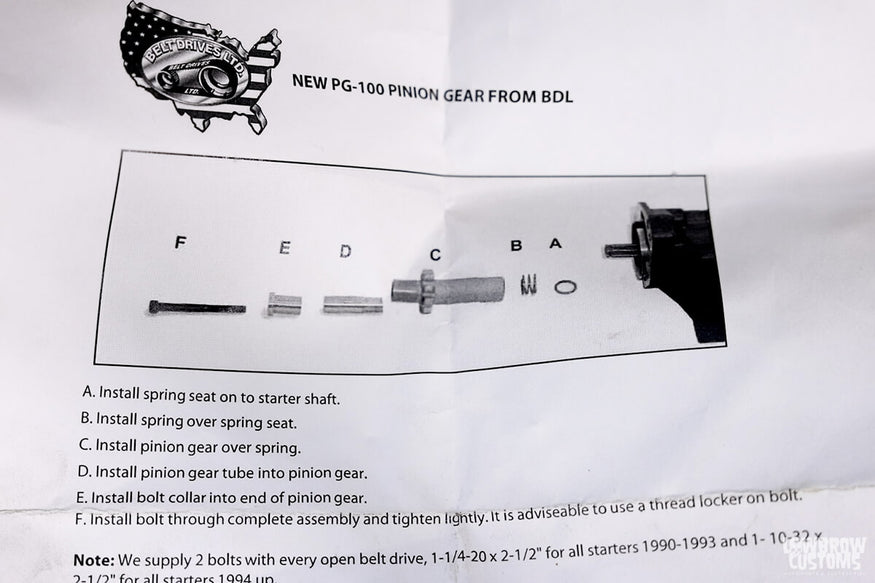
Place the motor and drive parts in their correct spots. Align parts carefully to avoid damage. Check that all components fit well and are not forced. Proper positioning helps the machine work smoothly.
Use strong bolts or screws to secure each part firmly. Tighten fasteners enough to stop movement but not too tight to break parts. Firm attachment prevents shaking and wear during operation.
Connect power cables and control wires back to the motor and drive. Make sure each wire goes to the right terminal. Double-check connections to avoid shorts or loose contacts. Safe wiring is key to smooth starting and running.
Testing And Troubleshooting
Start by checking the motor and drive parts for any visible damage. Use a multimeter to test electrical connections and continuity. Listen for unusual noises that might signal a problem. Look for signs of wear or overheating.
Common issues include loose wires, worn belts, and dirty contacts. Faulty bearings and misaligned parts often cause poor motor performance. Keep an eye out for vibrations or irregular speeds.
- Tighten all screws and connectors.
- Clean dust and debris from parts.
- Replace any worn belts or damaged components.
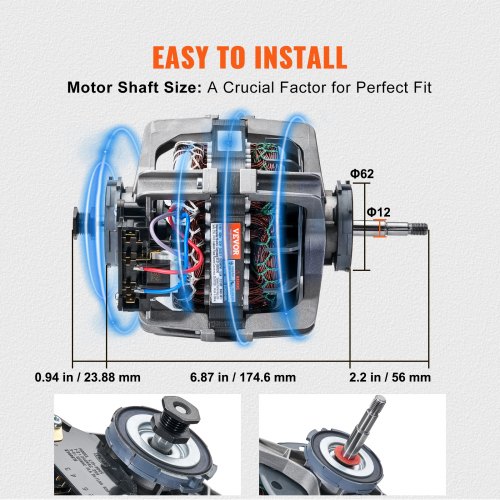
- Align the motor shaft and drive system carefully.
- Test the system again after adjustments to ensure smooth operation.
Credit: www.vevor.ca
Maintenance Tips For Longevity
Regularly check all parts for signs of damageor looseness. Look for cracks, rust, or unusual noises during operation. Early detection helps prevent bigger problems and costly repairs.
Keep all moving parts well lubricated. Use the right type of lubricant based on the manufacturer’s advice. Proper lubrication reduces friction and extends part life.
Track the wear and tearof components by comparing them to new parts. Replace any parts showing excessive wearimmediately. This helps maintain smooth operation and safety.
Credit: www.lowbrowcustoms.com
Frequently Asked Questions
How Do I Safely Replace Motor Parts?
Always disconnect power before starting. Use proper tools and follow manufacturer guidelines. Wear safety gear like gloves and goggles. Inspect parts for damage before installation to ensure safe replacement.
What Tools Are Needed For Motor And Drive Replacement?
Basic tools include screwdrivers, wrenches, and pliers. A multimeter helps check electrical connections. Use a torque wrench for precise tightening. Having the right tools ensures efficient and safe work.
How To Avoid Damage During Motor Replacement?
Handle parts gently and avoid dropping them. Keep components clean to prevent debris interference. Follow step-by-step instructions carefully to avoid mistakes. Proper handling protects motor integrity and prolongs lifespan.
When Should Motor And Drive Parts Be Replaced?
Replace parts if they show wear, noise, or performance loss. Regular maintenance checks help identify issues early. Timely replacement prevents breakdowns and costly repairs. Always consult your equipment’s service manual.
Conclusion
Replacing motor and drive parts needs care and attention. Always follow safety steps to avoid accidents. Use the right tools and wear protective gear. Check each part for damage before installation. Take your time and do not rush the work.
Proper handling ensures your machine works well longer. Stay safe, stay focused, and do the job right. Simple steps make a big difference in results. Keep learning and improving your skills with each repair. Safety first, quality always.