

Have you ever found yourself cleaning up after a barbecue, staring at a pile of used skewers, and wondering if there’s a better way to handle them? You’re not alone.
Many of us feel that pang of guilt when tossing out perfectly sturdy skewers after just one use. But what if you didn’t have to throw them away? Imagine transforming those wooden or metal sticks into something useful, saving money, and reducing waste at the same time.
In this guide, you’ll discover simple and creative ways to give your skewers a second life. Ready to turn your used skewers into something amazing? Let’s dive in and explore the possibilities together!
Credit: bigflavorstinykitchen.com
Choosing The Right Skewers
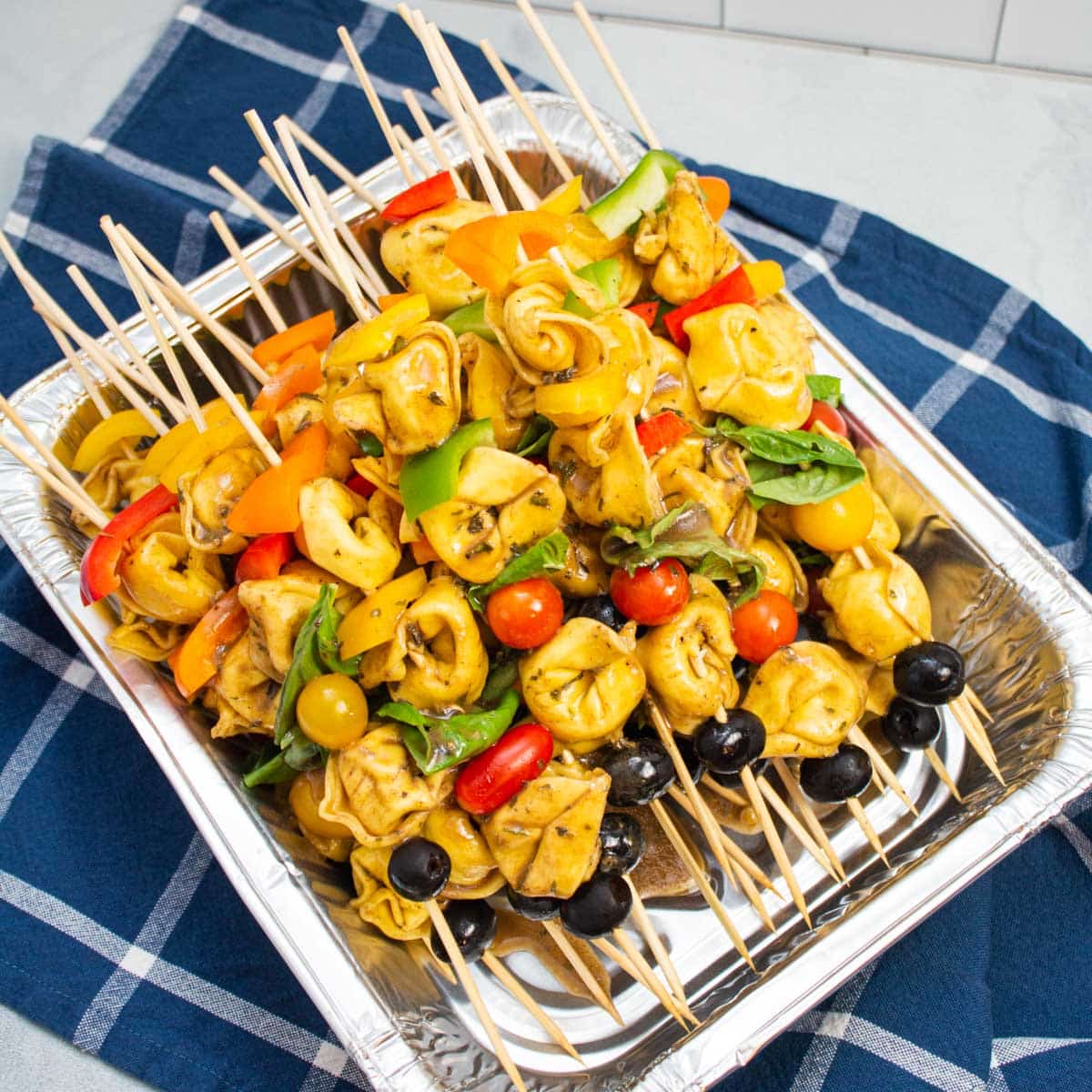
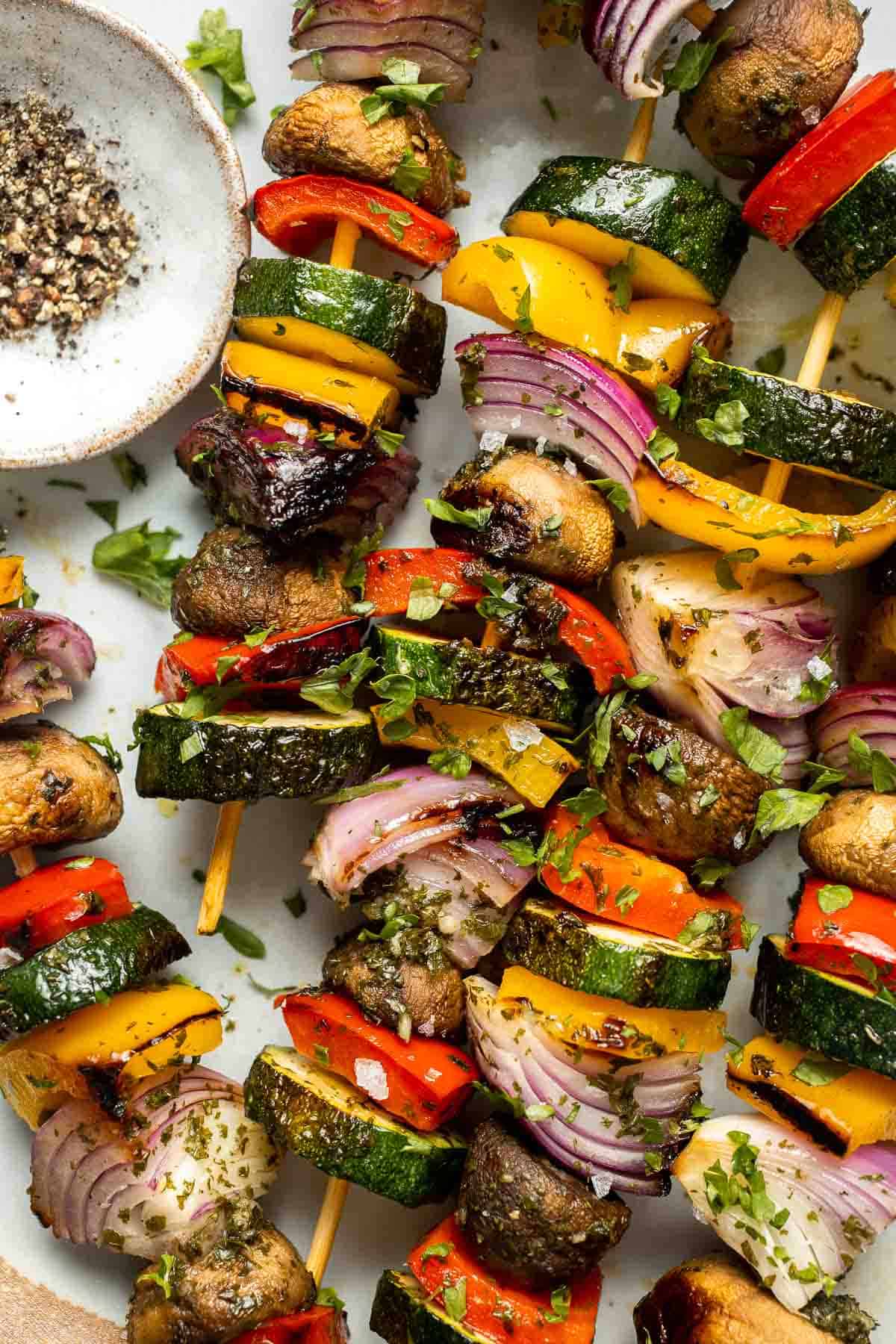
Wooden skewersare easy to use but usually meant for single use. They can burn or snap during cooking. Soaking them in water before use helps prevent burning. Metal skewersare durable and can be reused many times. They hold heat well and cook food evenly.
Reusable skewers are usually made of stainless steelor other metals. They do not break or burn. Wooden skewers that are thick and undamaged may be reused after cleaning. Thin or splintered wooden skewers should be discarded for safety.
| Type | Material | Reusable | Pros | Cons |
|---|---|---|---|---|
| Wooden Skewers | Bamboo or wood | Sometimes | Inexpensive, disposable | Can burn, may snap |
| Metal Skewers | Stainless steel or iron | Yes | Durable, holds heat | Can be hot to touch |
Credit: www.aheadofthyme.com
Cleaning And Maintaining Skewers
Skewers need careful cleaningto stay safe and last long. Use warm water and mild soap to wash them. Avoid harsh chemicals that can damage the metal or wood. After washing, dry skewers thoroughly with a clean cloth to stop rust.
Wooden skewers should never soak in water for too long. Soaking can make them weak and break easily. For metal skewers, wipe them dry right after washing to prevent rust spots.
- Store skewers in a dry place to avoid moisture.
- Apply a thin coat of cooking oil to metal skewers to protect from rust.
- Check wooden skewers for cracks before reuse.
- Replace any skewers that look damaged or rusty.
Keeping skewers clean and dry helps prevent rust and damage. Proper care makes them safe for many uses.
Creative Kitchen Uses
Skewers can be handy as stirring sticksfor small jars or cups. They help mix drinks, sauces, or dressings easily. Wooden skewers are gentle and won’t scratch your containers.
Use skewers to whisk small amountsof ingredients, like eggs or spices. Their slim shape reaches tight spots inside bowls or bottles. Perfect for quick mixing tasks!
- Stick small fruit pieces on skewers for a neat look.
- Arrange appetizers or snacks on skewers for easy serving.
- Use skewers to hold layers of sandwiches or burgers together.
- Decorate cakes by placing skewers with colorful toppings.
Skewers make food look tidy and inviting. They help keep bites in place and add a fun touch to meals.
Craft And Diy Projects
Skewers are great for making small models like houses or bridges. Use glue to join the sticks. Paint them with bright colors to make them look fun and neat. You can create tiny fences, ladders, or even furniture for dolls.
Try weaving skewers to form shapes like stars or hearts. Stick them on paper or cardboard for cool wall art. Add beads or buttons to make decorations more lively. These crafts make good gifts or room decor.
Gardening And Outdoor Uses
Skewerscan be useful as plant support stakes. Push them gently into the soil near young plants. Tie the plant stem to the skewer with soft string. This keeps plants upright and safe from wind.
Using skewers as garden markershelps identify plants. Write the plant name on small paper or tape. Attach it to the skewer and stick it in the soil. This makes it easy to remember what you planted.
| Use | How to Use | Benefits |
|---|---|---|
| Plant Support Stakes | Insert near plant, tie stem with string | Keeps plants upright, protects from wind |
| Garden Markers | Write plant name on paper, attach to skewer | Helps identify plants easily |
Safety Tips For Reusing Skewers
Skewers can cause splintersif their surfaces are rough or damaged. Always check for any cracks or splinters before reuse. Sand down rough spots carefully to avoid injuries. Use gloves while handling skewers to protect your hands from sharp edges.
Cleaning skewers thoroughly is important. Wash with warm, soapy water and dry completely to prevent bacteria. Avoid using skewers with visible damage or warping, as they may break during use.
| Storage Tip | Reason |
|---|---|
| Keep skewers in a dry place | Prevents mold and wood rot |
| Store in a container or box | Keeps skewers organized and safe |
| Separate used from new skewers | Avoids cross-contamination |
| Wrap ends with a cloth or paper | Prevents accidental pokes and cuts |

Credit: www.livingchirpy.com
Frequently Asked Questions
How Can I Clean Skewers For Reuse?
To clean skewers, soak them in warm soapy water after use. Scrub gently with a brush to remove residue. Rinse well and dry completely to prevent rust or mold. Proper cleaning extends skewer life and keeps food safe.
What Are The Best Materials For Reusable Skewers?
Stainless steel and bamboo skewers are ideal for reuse. Stainless steel is durable and rust-resistant. Bamboo skewers can be reused if soaked and cleaned properly. Avoid cheap metal that rusts quickly or plastic that melts on grills.
How Do I Store Skewers To Prevent Damage?
Store skewers in a dry place away from moisture. Use a container or wrap them in a cloth to avoid bending or rust. Proper storage keeps skewers in good condition for many uses and ensures safety during cooking.
Can Skewers Be Reused For Different Types Of Food?
Yes, skewers can be reused for various foods like vegetables, meats, and fruits. Always clean thoroughly between uses to prevent cross-contamination. Using separate skewers for raw and cooked foods is recommended for safety.
Conclusion
Reusing skewers saves money and helps the environment. Clean them well before storing to keep them safe. Wooden skewers can last longer if you soak them first. Metal skewers are easy to wash and reuse many times. Try different ways to use old skewers around the house.
Small efforts make a big difference over time. Keep reusing and enjoy your meals with less waste. Simple habits like this help protect our planet every day.