

Are your slicer accessories worn out or not working as smoothly as before? Knowing how to replace them properly can save you time, money, and frustration.
Whether you use your slicer for business or serious food prep, keeping it in top shape is key to delivering professional results. You’ll learn simple steps to replace your slicer accessories quickly and safely. By the end, you’ll feel confident maintaining your equipment like a pro—making every slice perfect and every task easier.
Keep reading to discover the insider tips that will transform your slicer maintenance routine.
Choosing The Right Accessories
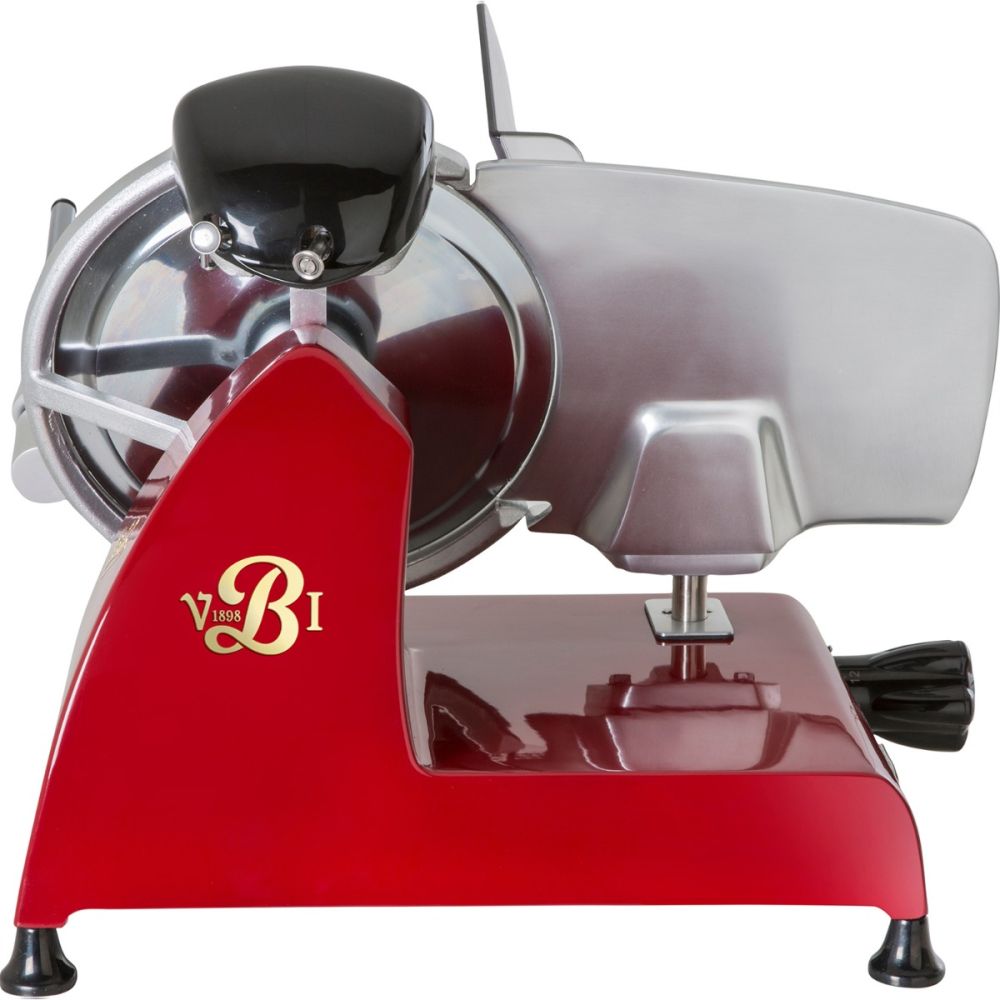
There are different types of slicer accessories. Blades are important for cutting. Holders keep food stable during slicing. Guards protect your fingers while you work. Choose wisely for safe slicing.
Strong materials last longer. Stainless steel is a good choice. It is rust-proof and easy to clean. Plastic parts should be thick and sturdy. High-quality parts improve your slicer’s performance.
Check if the accessory fits your slicer. Measure your slicer before buying new parts. Some accessories are made for specific slicer models. Ensure a perfect fit for smooth operation.
Credit: www.theberkelworld.com
Preparing For Replacement
Safety first. Always unplug the slicer before starting any work. Wear cut-resistant gloves to protect your hands from sharp blades. Keep your workspace clean and dry to avoid slips. Make sure the slicer is turned off and cannot be switched on accidentally.
- Screwdrivers (flathead and Phillips)
- Allen wrenches
- Replacement parts (blades, food pusher, etc.)
- Cleaning cloths and brushes
- Food-safe sanitizer
Clean the slicer thoroughly before replacing parts. Remove crumbs and leftover food with a brush. Use a damp cloth to wipe down surfaces. Dry all parts completely to prevent rust and damage. This ensures new parts fit well and work properly.
Removing Old Accessories
Detaching bladesrequires care. Always unplug the slicer first. Use a cloth to hold the blade firmly. Turn the locking knob or screw slowly. Remove the blade and place it safely aside to avoid cuts.
Removing food carriersis simple. Slide the carrier off the track gently. Check for any stuck food pieces and clean them before removing. This helps keep the slicer clean and safe.
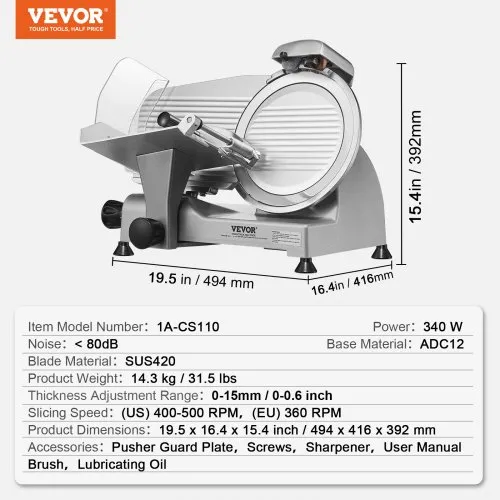
Handling small partslike screws or washers needs attention. Use a small container to keep these parts safe. Avoid losing them as they are important for reassembly. Handle parts with clean, dry hands for better grip.
Credit: www.vevor.com
Installing New Accessories
Align the bladescarefully before securing them. Check that each blade fits into its slot without gaps. Tighten screws or bolts firmly, but do not overtighten. Loose blades can cause uneven slicing or accidents.
Attach food carriers by sliding them onto the designated holders. Make sure they lock in place securely. This keeps the food steady while slicing and protects your hands from the blades.
Test the slicer’s stability by running it empty first. Listen for unusual sounds or vibrations. Check if all parts stay in place during operation. Make small adjustments if needed to ensure safety and smooth slicing.
Maintaining Slicer Accessories
Regular cleaningkeeps slicer accessories safe and working well. Use warm water and mild soap to clean parts after each use. Avoid harsh chemicals that can damage metal or plastic. Dry all parts completely to stop rust or mold. Wipe blades carefully to avoid cuts.
Sharpening bladeshelps slicers cut smoothly and safely. Use a sharpening stone or tool made for slicer blades. Sharpen blades at a gentle angle to keep the edge sharp. Check blades often and sharpen them when cutting feels harder.
| Storage Tips | Reason |
|---|---|
| Store blades in a dry place | Prevents rust and corrosion |
| Keep accessories covered | Keeps dust and dirt away |
| Organize parts separately | Prevents damage and loss |

Credit: www.restaurantsupply.com
Troubleshooting Common Issues
Accessory misalignmentcan cause uneven slicing and damage. Check if the accessory fits snugly. Adjust or reposition it to align properly. Loose parts lead to poor performance.
Blade dullnessreduces slicing quality. Blades should be sharp and clean. Replace dull blades promptly to keep cuts smooth and safe. Dull blades increase effort and risk injury.
Operational problemsinclude motor issues or unusual noises. Ensure the slicer is plugged in correctly. Clean moving parts regularly to avoid jams. If problems persist, consult the manual or a technician.
Frequently Asked Questions
How Often Should Slicer Accessories Be Replaced?
Slicer accessories should be replaced regularly for optimal performance. Frequency depends on usage intensity and manufacturer guidelines. Inspect blades and parts for wear every few months. Replace immediately if damaged or dull to ensure safety and precision in professional slicing tasks.
What Tools Are Needed To Replace Slicer Accessories?
You typically need a screwdriver, wrench, and cleaning cloth. Some slicers require specific tools included by manufacturers. Always consult the slicer manual before starting replacement. Using proper tools prevents damage and ensures correct installation of accessories.
Can I Replace Slicer Blades Myself Safely?
Yes, with proper precautions and instructions, you can replace blades safely. Always unplug the slicer before starting. Wear cut-resistant gloves and follow manufacturer guidelines carefully. If unsure, seek professional help to avoid injury and maintain slicer efficiency.
How To Maintain Slicer Accessories After Replacement?
Clean slicer accessories after each use with warm, soapy water. Dry thoroughly to prevent rust and corrosion. Lubricate moving parts as recommended by the manufacturer. Regular maintenance extends accessory lifespan and keeps slicer performance professional-grade.
Conclusion
Replacing slicer accessories takes care and the right steps. Always choose parts that fit your slicer model well. Clean the slicer before and after changing parts. Regular maintenance helps keep the slicer safe and sharp. This saves time and improves your food quality.
Practice the steps a few times to gain confidence. Keep your slicer working smoothly for professional results. Simple actions lead to better performance every day.