
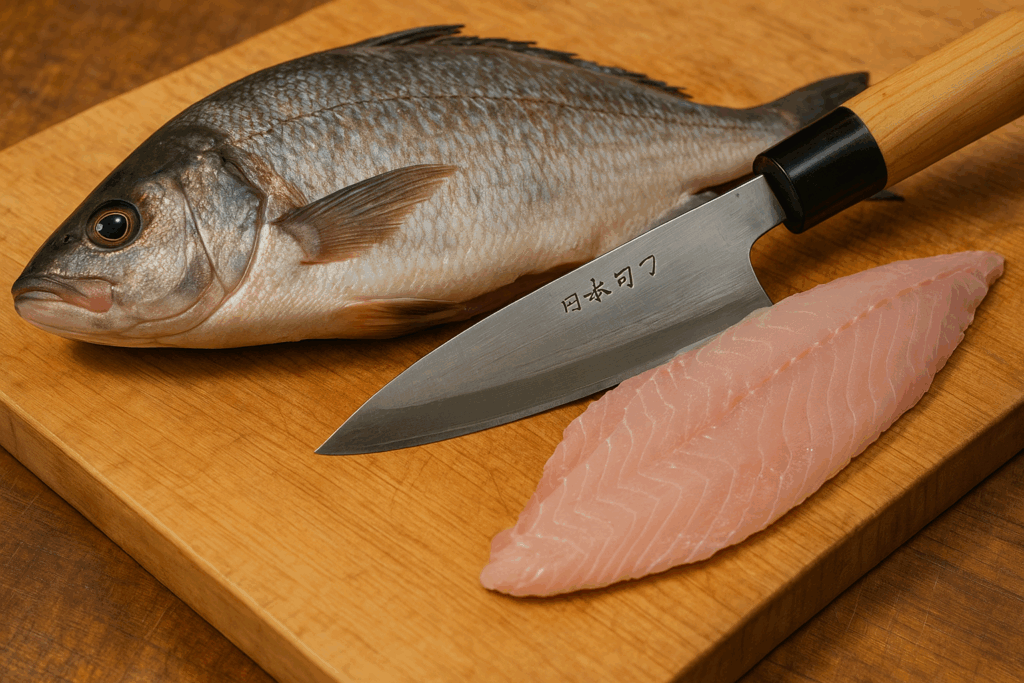
Are you struggling to get clean, perfect fish fillets? One simple fix might be right under your nose—your blade.
A dull or damaged blade can turn your filleting process into a frustrating mess. But don’t worry, replacing the blade is easier than you think, and it can make a huge difference in your results. In this guide, you’ll learn exactly how to replace your blade step-by-step, so you can slice through fish like a pro every time.
Keep reading, and discover the quick trick that will save you time and improve your fillets instantly.

Credit: www.youtube.com
Choosing The Right Blade
Choosing the right blade is important for good fish fillets. Different blades suit different tasks.
- Types of bladesinclude flexible, stiff, and curved blades.
- Flexible blades help cut around bones and skin easily.
- Stiff blades work well for heavy fish with thick bones.
- Curved blades make smooth, clean cuts along the fish.
| Blade Material | Durability | Notes |
|---|---|---|
| Stainless Steel | High | Resists rust and stays sharp longer |
| Carbon Steel | Medium | Sharp but needs more care to avoid rust |
Blade size matters too. Smaller blades give better control for thin fillets.
Large blades are good for big fish and thick cuts.
Flexibility helps a blade bend without breaking. This is key for delicate fillets.

Credit: www.youtube.com
Preparing Your Workspace
Keep your workspace cleanand organized. Use a damp cloth to wipe surfaces. Ensure everything is drybefore starting. This avoids slipping and accidents.
Cleaning And Safety Measures
Wash hands with soapand water. Wear gloves to protect hands. Keep a first aid kit nearby. Ensure good lighting to see clearly. Avoid distractions while working.
Tools Needed For Blade Replacement
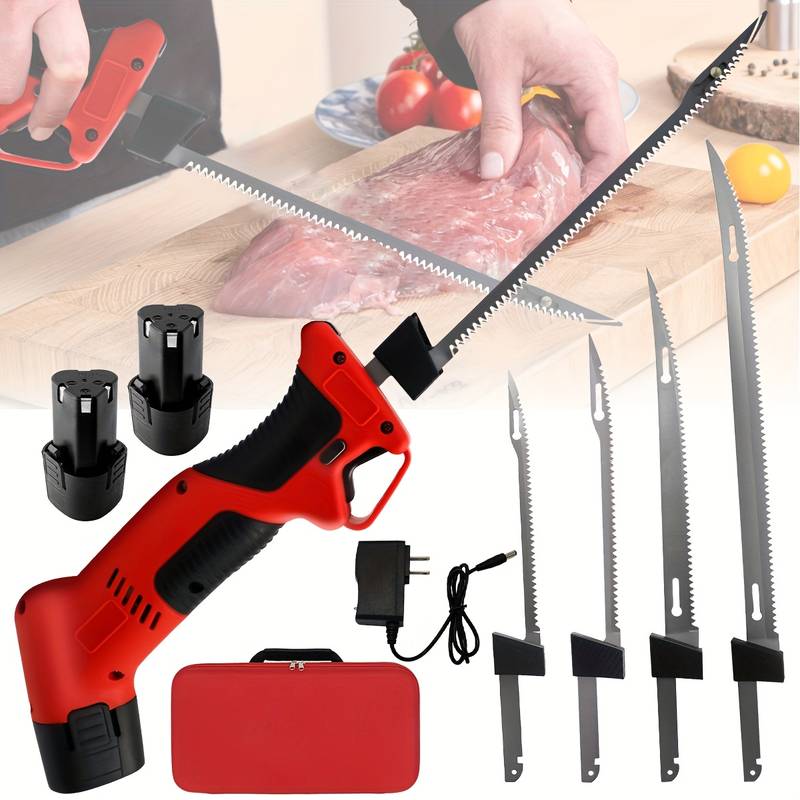
- Screwdriverfor loosening screws
- Replacement bladefor fresh cuts
- Protective glovesto avoid cuts
- Clothto clean surfaces
Removing The Old Blade
Start by unplugging the fish fillet knife for safety. Use a screwdriver or wrench to loosen the blade fasteners. These fasteners keep the blade in place. Turn them counterclockwise until they feel loose. Keep the fasteners safe; you will need them later.
Hold the blade carefully to avoid cuts. Gently pull the blade away from the knife body. It should come off easily once the fasteners are loose. If the blade sticks, wiggle it slightly without forcing it. Set the old blade aside in a safe spot to prevent injury.
Installing The New Blade
Place the new blade on the holder carefully. Check the blade edges face the right way for cutting fish fillets.
Look closely at the blade slots and align them with the pins on the holder. This helps the blade stay straight and balanced.
- Make sure the blade sits flat without tilting.
- Hold the blade steady before tightening any screws.
Use the screws or clamps to fasten the blade firmly. Tighten them evenly to avoid any blade movement.
Double-check the blade does not wobble or shift. A secure blade cuts better and is safer to use.
Testing The New Blade
Test the new blade carefully before using it on fish. Check if the blade fits tightly and does not wobble. A loose blade can cause uneven cuts and may be dangerous.
Try making some small cuts on a soft surface or a piece of fish. This helps ensure the blade is sharp and stable. Watch how the blade moves through the fish. The cuts should be smooth and clean.
- The blade must not shake or slip during cutting.
- Cut slowly at first to feel the blade’s control.
- Make sure the fish fillets are cut evenly without tearing.
Credit: jenniferawesome.com
Maintaining Your Fillet Knife
Keep your fillet knife clean to avoid rust and dullness. Rinse the blade with warm water after each use. Use mild soap and a soft sponge for thorough cleaning. Dry the blade completely with a soft cloth to stop moisture damage.
Sharpen the blade regularly to keep it sharp and safe. Use a sharpening stone or a blade sharpener made for fillet knives. Store the knife in a dry place, preferably in a sheath or a knife block. Avoid leaving the knife loose in drawers to protect the blade and prevent accidents.
Frequently Asked Questions
How Do I Safely Remove The Old Blade For Fish Fillets?
To remove the old blade safely, first unplug the knife or ensure it is off. Use a cloth to grip the blade and unscrew any screws or release the locking mechanism carefully. Avoid touching the sharp edge directly to prevent injury.
What Tools Are Needed To Replace A Fish Fillet Blade?
You typically need a screwdriver or an Allen wrench to replace the blade. Some knives have a quick-release button. Always check the manufacturer’s instructions before starting to ensure you have the correct tools.
How Often Should I Replace My Fish Fillet Blade?
Replace the blade when it becomes dull or damaged. Frequent use may require blade changes every few months. Sharp blades ensure clean fillets and reduce the risk of accidents.
Can I Use Any Blade For Fish Filleting Knives?
No, only use blades designed for your specific knife model. Using the wrong blade can damage the knife and reduce cutting efficiency. Always buy replacement blades from trusted sources or the manufacturer.
Conclusion
Replacing a blade for fish fillets is simple and quick. Follow the steps carefully to avoid mistakes. Use the right tools and handle the blade safely. Sharp blades make filleting easier and cleaner. Regular blade changes keep your knife working well.
Practice a few times to feel confident. Enjoy preparing fresh fish with your sharp blade. Keep your kitchen safe and your fillets perfect.