

If your full-size food processor isn’t working quite right, it might be time to replace the attachments. You don’t need to buy a whole new machine when swapping out a few parts can bring it back to life.
But how do you know which attachments to choose? And how do you replace them safely and correctly? This guide will walk you through every step, making the process simple and stress-free. By the end, you’ll feel confident handling your food processor like a pro—and get back to creating delicious meals with ease.
Keep reading to learn exactly what you need to do.
:max_bytes(150000):strip_icc()/faw-mini-food-processors-primary-rkilgore-0828-1-ef83ffc1910f4bc29b822ca52c5ee722.jpeg)
Credit: www.foodandwine.com
Choosing The Right Attachments
Choose attachments that fit your food processor model for safe and efficient use. Check size and compatibility before replacing to avoid damage or poor performance. Select parts made from durable materials for lasting results.
- Slicing disksfor cutting vegetables.
- Shredding disksfor cheese or carrots.
- Dough bladesfor kneading dough.
- Chopping bladesfor nuts and herbs.
- Whisk attachmentsfor mixing.

Credit: www.cuisinart.com
Preparing Your Food Processor
Always unplug the food processor before starting any work. This prevents accidental starts and keeps you safe. Keep your hands dry to avoid slipping. Make sure the work area is clean and dry.
Remove all parts gently to avoid damage. Take out the bowl, lid, and blade carefully. Place small parts on a clean surface to avoid losing them. Handle blades with care; they can be very sharp.
Clean all parts before putting on new attachments. Use warm, soapy water and a soft cloth or sponge. Rinse well and dry completely. Never soak the motor base in water. Wipe it with a damp cloth only.
Removing Old Attachments
Full-size food processors use different locking mechanismsfor attachments. Some have twist locks, while others use push and snapsystems. Check your machine’s manual for the exact method. Press or turn gently to release the parts.
Stubborn parts may need a little extra care. Avoid forcing them to prevent damage. Use a soft cloth to grip slippery pieces. Warm water can help loosen dried food stuck on attachments.
Inspect each attachment carefully after removal. Look for cracks, chips, or warping that could affect performance. Replace any damaged parts to keep your processor safe and working well.
Installing New Attachments
Align the new attachment so it fits perfectly onto the base. Make sure the notches line up. This helps the food processor work correctly and safely.
Press the attachment down firmly until you hear a click or feel it lock in place. This keeps the attachment from moving during use. Avoid loose connections to prevent accidents.
Turn on the food processor briefly to check if the attachment spins or moves as expected. Stop immediately if you hear strange noises or see wobbling. Secure the attachment again if needed.
Maintaining Attachments For Longevity
Cleaning attachmentsafter each use keeps them working well. Rinse blades and discs with warm water to remove food bits. Use a soft brush for hard-to-reach spots. Avoid harsh scrubbers that may dull blades.
Dry parts fully before storing. Store attachments in a dry, cool place. Keep them in a box or container to avoid damage. Avoid stacking heavy items on top of attachments to prevent bending or breaking.
| Signs to Replace Attachments |
|---|
| Dull bladesthat do not cut properly |
| Cracks or chips in plastic parts |
| Attachments that wobble or fit loosely |
| Rust spots on metal parts |
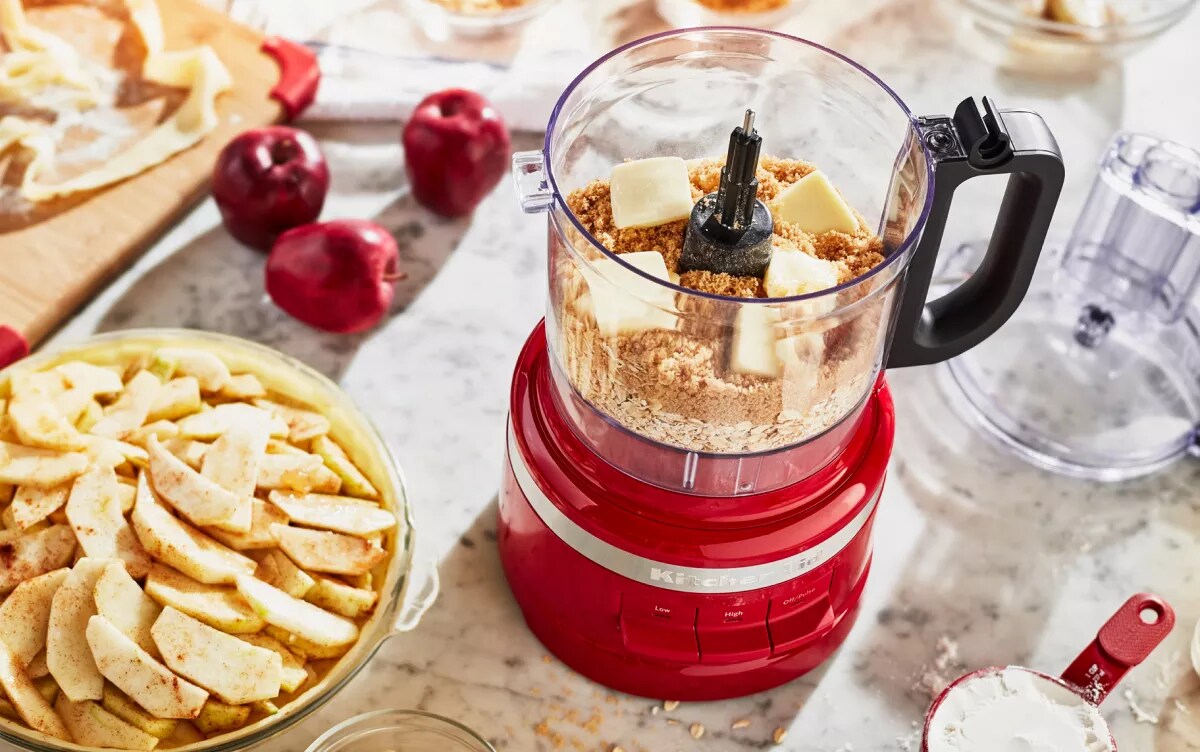
Credit: www.kitchenaid.com
Frequently Asked Questions
How Do I Safely Remove Attachments From A Food Processor?
Always unplug the food processor before removing attachments. Hold the base firmly and twist or lift the attachment gently. Avoid using excessive force to prevent damage. Follow the manufacturer’s instructions for your specific model to ensure safety and proper removal.
What Tools Are Needed To Replace Food Processor Attachments?
Most food processors require no tools to replace attachments. Some models may need a small screwdriver or wrench. Check your user manual for specific tool requirements. Usually, attachments snap or twist into place easily without extra tools.
How Often Should Food Processor Attachments Be Replaced?
Replace attachments when they show signs of wear, cracks, or dullness. Regularly inspect blades and discs for damage. Frequent use may require replacement every 6 to 12 months. Using sharp, intact attachments ensures efficient and safe food processing.
Can I Use Attachments From Different Brands?
Using attachments from different brands is not recommended. They may not fit properly and can cause damage. Always use attachments designed for your specific food processor model. This ensures safety, compatibility, and optimal performance.
Conclusion
Replacing attachments on your full-size food processor is simple and quick. Just follow the steps carefully for safe use. Clean the parts before and after replacing to keep everything working well. Using the right attachment helps you prepare food faster and easier.
Regular checks prevent damage and extend your processor’s life. Now, enjoy cooking with your refreshed food processor attachments!