

Is your gas grill looking worn out and rusty? You don’t have to buy a new one just yet.
Repainting your gas grill can bring it back to life, making it look fresh and ready for your next cookout. In this guide, you’ll learn simple, step-by-step tips to repaint your grill safely and effectively. By the end, your grill will not only look great but also stay protected from the elements.
Keep reading to discover how easy it is to give your gas grill a brand-new look!
Choosing The Right Paint
Repainting your gas grill can give it a fresh look and protect it from rust. Picking the correct paint is key to getting good results.
Not all paints can handle the high heat from a grill. You need paint made for high temperatures to ensure it lasts long.
High-temperature Paint Types
Choose paint designed to resist heat up to at least 1200°F (650°C). This stops the paint from blistering or peeling.
- Silicone-based paints: These handle heat well and dry fast.
- Epoxy paints: Provide strong adhesion but may need a primer.
- Enamel paints: Offer a glossy finish but check heat limits.
- Aluminum paints: Reflect heat and resist rust.
Where To Buy Grill Paint
You can find grill paint in many places. Look for products labeled “high-temperature” or “grill paint.”
| Store Type | What to Expect | Tips |
| Hardware Stores | Various high-temp paints in small cans | Ask staff for grill-specific options |
| Home Improvement Centers | More brands and sizes available | Check paint labels for heat resistance |
| Online Retailers | Wide selection and reviews | Read product details carefully |
| Specialty BBQ Shops | Paints made just for grills | May be pricier but tailored |

Credit: www.reddit.com
Preparing The Grill Surface
Repainting your gas grill starts with a clean and smooth surface. This helps the paint stick better and last longer. Proper preparation also prevents rust and peeling.
Focus on cleaning, removing rust and old paint, and sanding the surface. Each step is important for a good finish.
Cleaning And Degreasing
Start by removing dirt, grease, and food residue from the grill. Use a grill cleaner or a mix of warm water and dish soap. Scrub with a sponge or brush to clear all grime.
- Turn off the gas and disconnect the grill before cleaning.
- Apply the cleaner and let it sit for a few minutes.
- Scrub all metal surfaces, including inside the lid and body.
- Rinse thoroughly with water to remove all soap.
- Let the grill dry completely before moving to the next step.
Removing Rust And Old Paint
Rust and peeling paint can ruin the new finish. Use a wire brush or scraper to remove loose rust and paint. For tough rust, a rust remover liquid can help.
| Tool | Use |
| Wire Brush | Scrape off loose rust and paint |
| Sandpaper | Smooth rough spots after scraping |
| Rust Remover | Apply to stubborn rust spots |
| Scraper | Lift peeling paint carefully |
Sanding For Smooth Finish
Sanding creates a flat and even surface. Use medium-grit sandpaper first, then fine-grit for smoothness. Wipe away dust with a damp cloth after sanding.
Tips for sanding:
- Sanding by hand gives more control on small areas.
- Use a sanding block to keep even pressure.
- Wear a mask to avoid breathing dust.
- Check the surface for any missed spots.
Protecting Grill Components
Repainting a gas grill can make it look new again. Protecting the grill parts is very important. Paint and heat can damage some components.
Cover parts that get too hot or should not be painted. This keeps the grill working well after painting.
Covering Heat-sensitive Parts
Some parts of the grill get very hot. Paint can melt or peel on these parts. Cover them to avoid damage.
Use heat-resistant materials to cover these areas. This protects the parts and stops paint from sticking.
- Cover burners with aluminum foil
- Wrap control knobs with heat-resistant tape
- Use high-temperature silicone covers for igniters
- Remove or shield gas valves
Masking Areas Not To Paint
Some grill parts should not get paint at all. Mask these areas carefully before you start painting.
Use painter’s tape and plastic sheets to cover these spots. This keeps paint off important parts.
- Mask wheels and handles
- Cover drip trays and grease catchers
- Protect gas hoses and connectors
- Shield temperature gauges and lights
Painting Techniques
Repainting a gas grill requires careful painting techniques. These techniques help protect the grill from rust and wear. Choosing the right method will give your grill a smooth, lasting finish.
This guide covers spray and brush application, how to apply thin coats, and the drying time needed between layers.
Spray Vs. Brush Application
Spray painting covers large areas quickly and evenly. It works well on grills with many nooks and crannies. Brush painting allows more control and is good for small touch-ups or edges.
- Spray Painting:Fast, smooth finish, use outdoors or in a ventilated area.
- Brush Painting:Slower, good for detailed work, less overspray.
- Tools Needed:Spray can or paint sprayer, paintbrush with synthetic bristles.
- Surface Prep:Clean and sand the grill before painting for best results.
Applying Thin Even Coats
Thin coats dry better and last longer. Thick paint can drip and peel. Apply several light coats instead of one thick coat. This helps the paint stick and look smooth.
| Tip | Why It Helps |
|---|---|
| Hold spray can 10-12 inches away | Prevents paint from pooling or running |
| Brush in long, even strokes | Reduces brush marks and uneven spots |
| Use smooth, steady motion | Ensures consistent paint coverage |
| Apply multiple coats | Builds a strong, durable surface |
Drying Time Between Coats
Let each coat dry fully before adding the next. This prevents smudging and helps paint bond well. Drying times depend on paint type and weather conditions.
- Wait at least 20-30 minutes between spray coats.
- Brush coats may need 1 hour or more to dry.
- Check paint can instructions for exact drying times.
- Avoid painting in high humidity or cold temperatures.
Curing And Final Touches
After repainting your gas grill, proper curing is important. This process helps the paint harden and stick well. Final touches ensure your grill looks great and works safely.
Follow the right steps to cure the paint, check your work, and put the grill back together. These details make your grill last longer and look neat.
Proper Curing Methods
Let the paint dry fully before using the grill. Use low heat to cure the paint without burning it. This makes the paint tough and durable.
- Wait at least 24 hours after painting before starting the cure.
- Turn on the grill to low heat (about 200°F or 93°C).
- Keep the grill at low heat for 1 to 2 hours to cure the paint.
- Turn off the grill and let it cool naturally.
- Repeat the heating process if the paint feels sticky or soft.
Inspecting For Missed Spots
Look closely at the grill to find areas you missed. Fixing these spots keeps the grill protected and looking good.
- Edges and corners
- Under handles and knobs
- Inside vents and grills
- Between seams and joints
Touch up any missed spots with a small brush. Let these dry and cure again if needed.
Reassembling The Grill
Put all grill parts back carefully. This step makes sure your grill is safe and ready to use.
| Part | Tip for Reassembly |
|---|---|
| Grill Grates | Place clean grates in original position. |
| Burner Tubes | Attach securely and check gas flow openings. |
| Control Knobs | Push on firmly and test for smooth rotation. |
| Side Shelves | Use screws or bolts to tighten firmly. |
| Ignition System | Reconnect wires carefully and test spark. |
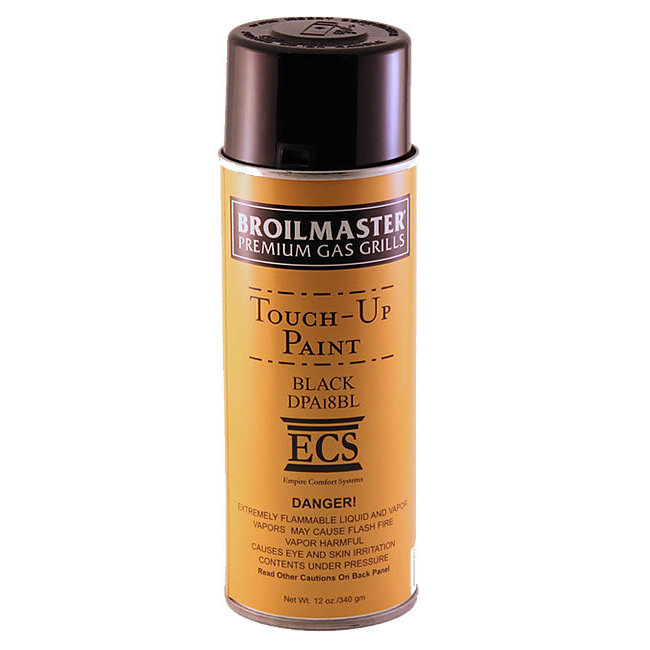
Credit: www.finesgas.com
Maintenance Tips For Painted Grills
Keeping your painted gas grill in good condition helps it last longer. Proper care avoids damage to the paint and metal parts.
Simple cleaning and timely touch-ups keep your grill looking new and working well.
Cleaning Without Damaging Paint
Use gentle cleaning methods to protect the paint on your grill. Avoid harsh chemicals and rough tools that can scratch or peel the surface.
- Use warm water and mild soap with a soft cloth.
- Rinse thoroughly to remove all soap residue.
- Dry the grill with a clean towel to stop rust.
- Do not use steel wool or abrasive sponges.
- Avoid bleach and strong detergents that harm paint.
Touch-up Tips For Chips And Scratches
Fix chips or scratches on the paint quickly to prevent rust. Use the right paint and follow safe steps for best results.
| Item | Tip |
| Paint type | Use high-heat spray paint made for grills |
| Preparation | Clean and sand the damaged area lightly |
| Application | Apply thin coats and let each dry fully |
| Safety | Work in a well-ventilated space |

Credit: www.reddit.com
Frequently Asked Questions
How Do I Prepare A Gas Grill For Repainting?
Clean the grill thoroughly by removing grease and dirt. Sand the surface to create a smooth base. Use a heat-resistant primer before applying paint. This ensures better adhesion and a long-lasting finish.
What Type Of Paint Is Best For Gas Grills?
Use high-temperature, heat-resistant spray paint designed for grills. It withstands heat up to 1200°F and prevents peeling. Avoid regular spray paint as it can’t handle grill heat.
Can I Repaint A Gas Grill Without Disassembling It?
It’s best to disassemble removable parts for even coverage. Disassembly prevents paint from clogging burners and controls. It also protects sensitive components from damage during painting.
How Long Should I Wait Before Using The Grill After Repainting?
Allow the paint to cure for at least 24 hours. Follow the manufacturer’s instructions for optimal drying time. This prevents fumes and ensures the paint sets properly.
Conclusion
Repainting your gas grill keeps it looking fresh and protects it from rust. Clean the surface well before starting to paint. Use paint made for high heat to ensure it lasts. Take your time and apply thin, even coats. Let each coat dry fully for the best finish.
A well-painted grill can last many more seasons. Enjoy cooking on a grill that looks almost new. Simple steps make a big difference in grill care. Your efforts will pay off with a great-looking grill.