
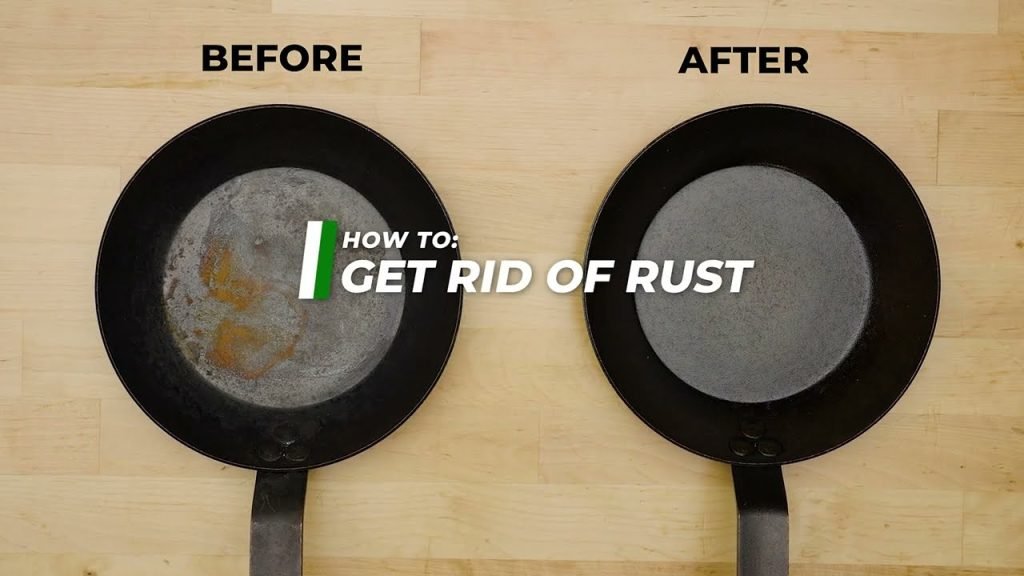
Have you ever reached for your favorite skillet or pot, only to find it speckled with rust? It’s frustrating, isn’t it?
Rust can seem like the end of the road for your beloved cookware. But don’t worry; you’re not alone, and there’s a way to rescue your kitchen essentials from the clutches of corrosion. In this guide, you’ll discover simple, effective methods to remove rust from your cookware, making it look almost new again.
Imagine the satisfaction of restoring your trusty kitchen companions and the joy of cooking with them once more. Ready to save your pots and pans and bring back their shine? Let’s dive into the solutions that will transform your rusty cookware back to its former glory.
Causes Of Rust On Cookware
Rust happens when metal gets wet. Water and air make metal rust. Cookware can rust if left wet. Salt can speed up rust. Acidic foods might cause rust too. Tomatoes and lemon juice are acidic. They can harm metal. Humidity can also cause rust. Store cookware in dry places. Avoid leaving it wet. Clean cookware after use. Dry it well. Check for rust spots often. Remove rust quickly. Rust can ruin cookware. Take care of your pots and pans. Keep them rust-free.

Credit: www.wikihow.com
Prevention Tips
Dry cookware immediately after washing. This stops rust from forming. Store pots and pans in a dry spot. Moisture causes rust. Use a protective oil to coat the surface. Oils act as a shield. Avoid leaving food residue for long. Clean promptly to prevent damage. Regularly check for signs of rust. Early detection helps. Use baking soda and vinegar to clean. They are natural rust fighters. Avoid harsh chemicals; they can harm cookware. Keep cookware away from water for long periods. Water is rust’s friend. Opt for stainless steel when buying new cookware. Stainless steel resists rust well. Treat your cookware with care. It will last longer and look better.
Basic Cleaning Methods
Start with warm water and mild soap. Use a soft brush. Scrub the rusted area gently. Rinse with clean water. Dry the cookware completely. This method is simple and safe. It keeps your cookware clean and shiny.
Mix baking soda with water. Make a thick paste. Spread it on the rusty area. Let it sit for 10 minutes. Scrub the paste off with a brush. Rinse and dry the cookware. Baking soda helps remove rust. It’s natural and non-toxic.
Fill a bowl with vinegar. Soak the cookware in it. Leave it for one hour. The rust will dissolve. Scrub the area with a brush. Rinse well and dry. Vinegar is powerful. It breaks down rust easily.
Advanced Rust Removal
Rust on cookware can be removed easily with simple methods. Use baking soda and a little water to make a paste. Gently scrub the rusted areas with this paste using a soft brush. Rinse thoroughly and dry completely to prevent future rust.
Using Rust Removers
Rust removers can be very helpful. They are easy to use. First, read the instructions carefully. Always wear gloves for safety. Apply the remover on the rusted area. Let it sit for a few minutes. Then scrub with a brush. Rinse the cookware with water. Make sure all remover is gone. Check if the rust is gone. Repeat if needed.
Electrolysis Process
Electrolysis is a smart way to remove rust. You will need a battery charger, a large container, and washing soda. Fill the container with water. Add some washing soda. Place the rusty cookware in the container. Connect the battery charger. Make sure the positive and negative wires are correct. Turn on the charger. Watch the rust disappear. This might take a few hours. Remove and rinse the cookware.
Sandpaper Method
Sandpaper is a simple tool for rust removal. Choose a medium-grit sandpaper. Rub the rusty area gently. Use circular motions for best results. Rust will start to come off. Switch to a finer grit for smoothness. Wipe the cookware with a damp cloth. Check for any remaining rust. Sand again if necessary.
Natural Solutions
Easily remove rust from cookware using natural solutions like vinegar and baking soda. Mix them to form a paste. Gently scrub the rusted areas, rinse, and dry thoroughly.
Lemon And Salt Scrub
Rust can be removed using lemonand salt. Start by sprinkling salt on the rusty cookware. Cut a lemon in half and squeeze juice over the salt. Let this mix sit for ten minutes. The acid in lemon helps break down rust. Use the lemon half to scrub the cookware. This scrub is gentle and natural. Rinse with water after scrubbing. Dry the cookware with a clean towel. This method works well for small rust spots.
Potato And Dish Soap
Potatoes can help remove rust too. Cut a potato in half. Cover the cut side with dish soap. Rub the potato on the rusted areas. The soap helps loosen the rust. The potato’s natural starch aids in scrubbing. Rinse the cookware thoroughly. Dry with a towel to avoid new rust. This method is simple and safe. It uses items found in most kitchens.

Credit: www.souschef.co.uk
Maintenance Tips
Rust can spoil cookware. Try scrubbing with baking soda and a damp cloth. It helps remove rust gently. For stubborn spots, apply vinegar and let sit before wiping. Regular cleaning prevents rust formation, keeping cookware in top shape.
Proper Drying Techniques
Always dry cookware with a soft towel. Water can cause rust. Let cookware air dry completely. Never store when wet. This prevents rust. Use a small cloth for hard-to-reach spots. Dry handles and rims carefully. Proper drying keeps your cookware safe. It also makes it last longer.
Regular Seasoning Of Cookware
Season cookware often. This protects it from rust. Use a little oil for seasoning. Spread it evenly. Heat the cookware after oiling. Let it cool. This forms a protective layer. Seasoning also makes food taste better. It helps prevent sticking. Regular seasoning keeps cookware in top shape.
When To Replace Cookware
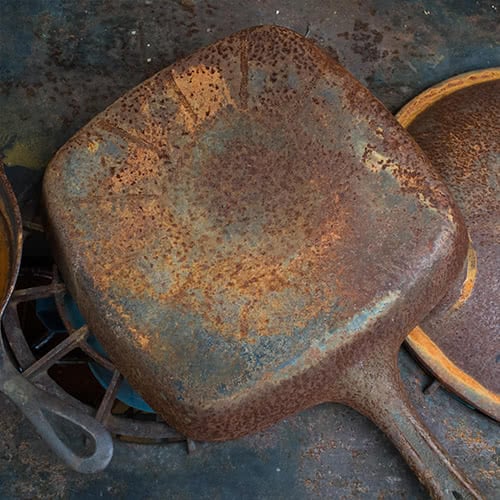
Rusty cookware can be a problem in the kitchen. Sometimes, the rust can be fixed. But, there are times when it is best to replace the cookware. If rust covers a big part, it might be time for new cookware. Small rust spots can often be cleaned. But, large rust areas can make the cookware unsafe. Cookware with deep rust might not heat evenly. This can cause food to cook poorly.
Safety is the most important thing. If cookware feels weak or damaged, it should be replaced. This will keep cooking safe and fun. New cookware can last longer and cook better. Always check cookware for signs of rust. This helps keep food tasty and safe.
Credit: www.webstaurantstore.com
Frequently Asked Questions
Does Vinegar Remove Rust From Pans?
Yes, vinegar effectively removes rust from pans. Soak the pan in white vinegar for a few hours. Scrub gently with a sponge to lift the rust. Rinse thoroughly with water and dry. This method is natural and cost-effective for restoring rusty pans.
How To Remove Rust From A Nonstick Pan?
To remove rust from a nonstick pan, scrub gently with a mixture of baking soda and water. Rinse and dry completely. Apply a light coat of vegetable oil to restore the nonstick surface. Avoid using abrasive pads to prevent further damage.
How To Remove Rust From Metal Food Safely?
Use white vinegar to remove rust safely from metal. Soak the item in vinegar for a few hours. Scrub with a brush to remove loosened rust, then rinse and dry thoroughly. For small spots, apply vinegar with a cloth.
Is It Safe To Cook On Rusted Pans?
Cooking on rusted pans is not safe. Rust can flake into food, posing health risks. Use stainless steel or non-stick pans for safety. Regularly clean and maintain cookware to prevent rust formation. Always ensure your cooking utensils are in good condition for a safe cooking experience.
Conclusion
Rust can ruin your cookware. But it’s easy to fix. Regular cleaning helps prevent rust. Use simple methods like vinegar or baking soda. Scrub gently with a brush. Rinse and dry thoroughly. Oil your cookware for protection. Store in a dry place.
Check for rust often. Address it quickly. Keep your pots and pans in good shape. Enjoy cooking with clean, rust-free cookware. Remember, maintenance is key. Happy cooking!