
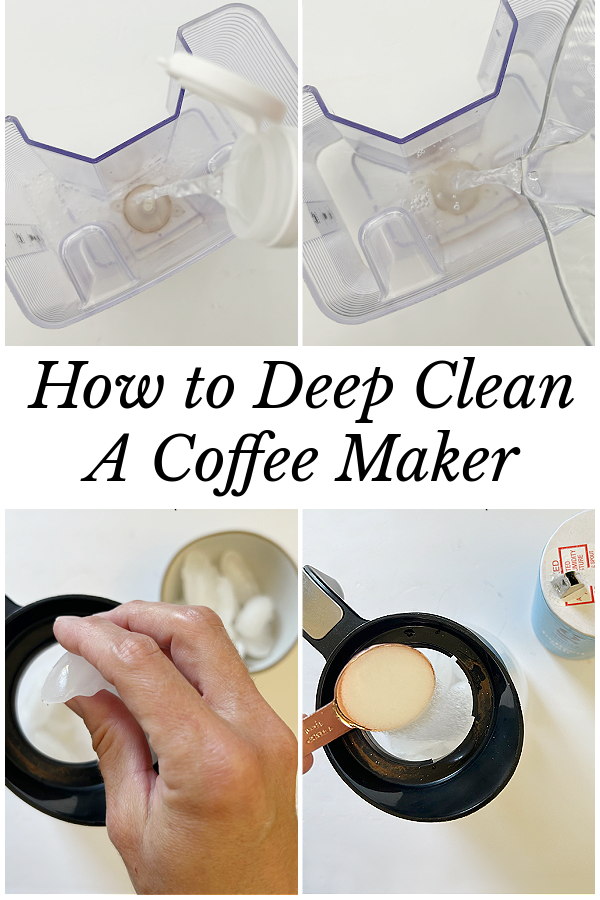
Have you noticed your drip coffee maker isn’t brewing like it used to? Those stubborn mineral deposits could be the reason.
They build up over time, slowing down your machine and affecting the taste of your coffee. But don’t worry—removing these deposits is easier than you think. You’ll discover simple, effective steps to clean your coffee maker and bring back that perfect cup you love.
Keep reading to learn how to protect your machine and enjoy fresh coffee every morning.
Causes Of Mineral Buildup
Hard watercontains minerals like calcium and magnesium. These minerals stick to your coffee maker’s parts. Over time, this causes mineral buildupinside the machine. This buildup can block water flow and affect taste. It also makes the machine work less well.
Mineral deposits can cause several common signs:
- Water takes longer to drip.
- White or chalky residue inside the machine.
- Strange taste in coffee, often bitter or metallic.
- Machine noises or sputtering sounds.
- Less hot coffee than usual.

Credit: www.amazon.ca
Natural Cleaning Solutions
White vinegaris a simple and natural cleaner for mineral deposits. Pour equal parts of vinegar and water into the coffee maker’s reservoir. Run a brew cycle without coffee grounds. This helps break down mineral build-up inside the machine. After the cycle finishes, run two more cycles with just water. This removes any vinegar taste and residue.
The baking soda methodalso works well. Mix one tablespoon of baking soda with a cup of warm water. Pour this solution into the reservoir and let it sit for 15 minutes. Then, run a brew cycle without coffee grounds. Finally, flush the machine with clean water by running two full cycles.
- White vinegar: breaks down minerals easily.
- Baking soda: neutralizes odors and cleans gently.
- Run multiple water cycles to rinse fully.
- Use these natural cleaners regularly for best results.
Step-by-step Cleaning Process
Descaling a drip coffee maker is essential for removing mineral deposits. Begin by filling the reservoir with equal parts water and vinegar. Run a brewing cycle, then rinse with clean water to finish.
Preparing The Cleaning Solution
Mix equal parts of vinegar and water. This helps remove mineral deposits. Use white vinegar for best results. Fill the coffee maker reservoir with this mixture. Ensure it’s full to the top line. The vinegar will dissolve the deposits.
Running The Cleaning Cycle
Turn on the coffee maker. Let it run like you’re brewing coffee. This allows the solution to clean the machine. Stop halfway through the cycle. Let it sit for 30 minutes. This helps break down the deposits. Then, complete the cycle.
Rinsing The Machine
Empty the vinegar solution. Refill the reservoir with fresh water. Run the machine again. This removes the vinegar taste and smell. Repeat the rinse two more times. Now, your coffee maker is clean and fresh.

Credit: sg.style.yahoo.com
Commercial Descaling Products
Choosing the right commercial descaling product is key. Look for one made for coffee makers. Some products work better on mineral depositslike calcium and lime. Check the label to match your machine type. Avoid harsh chemicals that can damageparts.
Safe usage tips include reading all instructions carefully. Use gloves to protect your skin. Make sure to rinse the machine well after descaling to remove any residue. Keep the product away from children and pets. Store it in a cool, dry place.
Preventing Future Mineral Build-up
Using filtered waterhelps reduce mineral deposits in your coffee maker. Tap water often has minerals like calcium and magnesium. These minerals build up inside the machine and cause blockages. Filtered water has fewer minerals, so it keeps the coffee maker cleaner for longer.
Setting a regular maintenance scheduleis key. Clean the coffee maker at least once a month. This stops mineral deposits from building up too much. You can use vinegar or a commercial cleaner for this task. Regular cleaning keeps your coffee tasting fresh and your machine working well.
Credit: www.kimbocoffee.com
Troubleshooting Common Issues
Persistent mineral depositscan block water flow in your drip coffee maker. These deposits often appear as white or crusty buildup inside the water reservoir or tubes. Over time, they reduce machine efficiencyand cause slow brewing. Regular cleaning with a vinegar solution helps dissolve these deposits. Run a mix of equal parts water and white vinegar through a brewing cycle, then rinse with fresh water to clear any residue.
Machine performance problemscaused by deposits include weaker coffee taste and longer brew times. Mineral buildup also strains the heating element, which may lead to malfunctions. Cleaning every 1-3 months keeps your coffee maker working well. Using filtered water can reduce deposit formation. Check the manufacturer’s instructions for specific cleaning advice.
Frequently Asked Questions
How Often Should I Descale My Drip Coffee Maker?
Descale your drip coffee maker every 1 to 3 months. This prevents mineral buildup and maintains brewing quality. Frequency depends on water hardness and usage.
What Household Products Remove Mineral Deposits Effectively?
White vinegar and lemon juice are effective for removing mineral deposits. They dissolve buildup naturally and are safe for coffee makers. Use diluted solutions for best results.
Can Mineral Deposits Affect Coffee Taste?
Yes, mineral deposits can alter the coffee’s flavor. They cause bitterness and reduce brewing efficiency. Regular cleaning ensures pure, fresh-tasting coffee.
Is Using Vinegar Safe For All Coffee Makers?
Most drip coffee makers tolerate vinegar cleaning. However, check your manufacturer’s instructions to avoid damage. Use diluted vinegar and rinse thoroughly after descaling.
Conclusion
Cleaning mineral deposits keeps your coffee maker working well. Regular cleaning prevents buildup and improves taste. Use vinegar or special cleaners to remove deposits easily. Rinse the machine after cleaning to avoid leftover taste. Clean your drip coffee maker every one to three months.
This simple step saves money and extends your machine’s life. Enjoy better coffee with a clean machine every day. Simple care makes a big difference.