
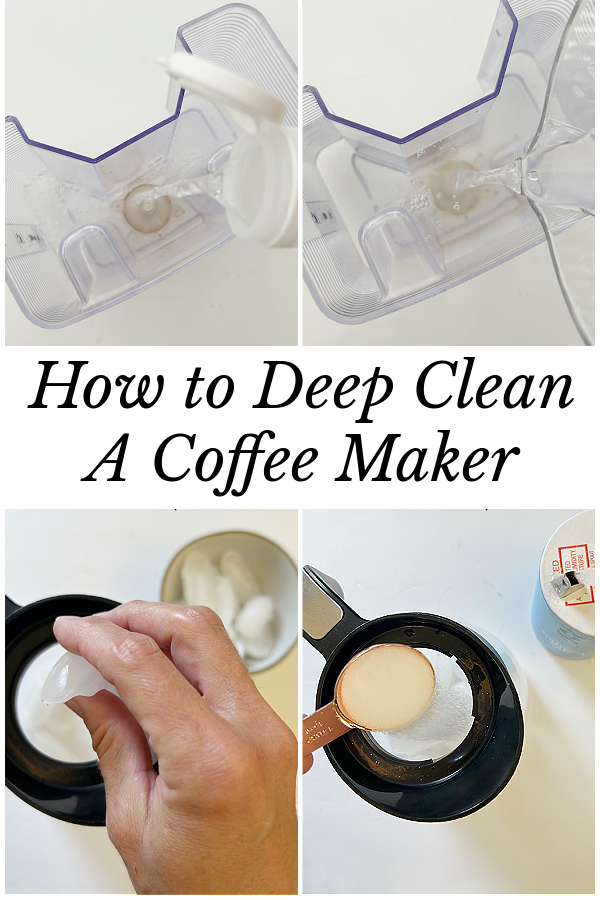
If you love your morning coffee, you know how important a clean coffee maker is for the best taste. But did you know that coffee oils can build up inside your drip coffee maker and affect the flavor of every cup?
These oils can leave a stubborn residue that’s hard to see but easy to taste. If you want your coffee to taste fresh and pure every time, you need to remove those oils regularly. In this guide, you’ll learn simple and effective steps to clean your drip coffee maker and keep it running like new.
Keep reading, and your coffee will never taste bitter or stale again!
Why Remove Coffee Oils
Coffee oilsbuild up inside drip coffee makers over time. They can change the taste of your brew, making it bitter or stale. Removing these oils helps keep the coffee fresh and flavorful.
Regular cleaning also protects the machine. Coffee oils and residues can clog parts, causing damage. Cleaning extends the life of your coffee maker, saving money on repairs or replacements.
Some people may have allergies or sensitivitiesto coffee oils. Cleaning reduces the risk of unwanted reactions. It also helps keep the machine more hygienicfor daily use.
Signs Your Coffee Maker Needs Cleaning
Unusual tasteoften signals coffee oils build-up. Coffee may taste bitter or stale. This happens when oils block water flow and affect flavor.
Visible residueappears as oily film or stains inside the machine. It can coat the basket or water reservoir. This residue collects dust and dirt.
Clogged componentsslow down brewing time. Water may drip or stop flowing. The machine might make strange noises or stop working properly.
Basic Cleaning Supplies
Common household itemslike white vinegar and baking soda help remove coffee oils. Vinegar breaks down oils and leaves no smell. Baking soda scrubs away tough stains gently. Dish soap is great for regular cleaning and cutting grease.
Specialized cleanersare made for coffee machines. These cleaners dissolve oils and coffee residue fast. Using them keeps the machine working well and tasting fresh.
Tools and accessorieslike soft brushes and microfiber cloths help clean hard-to-reach spots. A small brush can get inside the coffee maker parts. Cloths wipe surfaces without scratching. A funnel helps pour liquids safely without spills.
Step-by-step Cleaning Process
Unplug the coffee maker before cleaning. Remove the carafe and filter basket. Take out any used filters and grounds. Detach parts that are safe to remove. This makes cleaning easier and safer.
Use a mixture of warm water and mild soap. Apply it to the carafe and filter basket. Scrub gently with a soft cloth or sponge. For stubborn coffee oils, use a solution of vinegar and water. Let the parts soak for 15 minutes. Rinse thoroughly to remove all soap and vinegar.
Rinse all parts under clean water. Use a dry cloth to wipe the carafe and basket. Leave parts to air dry completely. Make sure no moisture is left inside the machine. Reassemble only when everything is dry to avoid damage.
Using Vinegar For Deep Cleaning
Mix equal parts of white vinegar and water in the coffee maker’s reservoir. Use enough solution to fill the water tank completely. Vinegar helps break down the sticky coffee oils and mineral deposits.
Start the coffee maker’s cleaning or brew cycle. Let the vinegar solution run through the machine just like brewing coffee. This process loosens and removes built-up coffee oils inside the machine.
After the vinegar cycle finishes, run two or three cycles with clean water only. This rinses out any vinegar taste or smell from the machine. Make sure the water tank is full for each rinse cycle.

Credit: www.aol.com
Alternative Cleaning Methods
Vinegar and baking soda offer natural ways to clean coffee oils from your drip coffee maker. These ingredients break down oily residues without harsh chemicals. Using hot water with lemon juice also helps remove stubborn coffee stains effectively.
Baking Soda Approach
Baking soda can clean coffee makers. Mix one cup of water with a tablespoon of baking soda. Pour the mixture into the coffee maker’s water reservoir. Run a brew cycle without coffee grounds. This removes coffee oils and odors. Rinse with clean water twice. This ensures no baking soda remains. Keep your coffee maker fresh and clean.
Lemon Juice Method
Lemon juice is a natural cleaner. Mix equal parts of lemon juice and water. Pour it into the coffee maker’s reservoir. Brew a full cycle to remove oils. Lemon has a fresh scent and is safe. Rinse with water twice to remove lemon traces. Your coffee maker will smell fresh and clean.
Commercial Cleaning Products
Commercial cleaners are available for coffee makers. These products are designed to remove oils. Follow the instructions on the package. Usually, you add the cleaner to water and brew a cycle. Rinse with fresh water after using the cleaner. This keeps your coffee maker in top shape.
Preventing Coffee Oil Build-up
Cleaning your drip coffee maker regularly stops coffee oils from building up. Use a mix of vinegar and water to break down oily residue and keep your machine fresh. This simple step helps maintain the taste of your coffee and extends your maker’s life.
Regular Cleaning Schedule
Cleaning the coffee maker every week is crucial. Use warm, soapy water to wipe parts gently. This helps remove coffee oils. Always dry each part before reassembling. This prevents rust and mold. A clean coffee maker brews tasty coffee.
Proper Coffee Grounds Usage
Use fresh coffee grounds every time. Old coffee grounds create more oil buildup. Avoid grinding coffee too fine. It can clog the coffee maker. Measure the right amount for each brew. Too much coffee can overflow and leave oil residue.
Water Quality Tips
Use filtered water for brewing coffee. Tap water can have minerals. These minerals add to oil buildup. Filtered water helps maintain a clean machine. Always fill the water tank to the correct level. This ensures proper brewing and reduces residue.

Credit: caffenu.com
Maintaining Your Drip Coffee Maker
Regular descalingkeeps your coffee maker working well. Aim to descale every 1-3 months. Use a mixture of water and vinegar or a store-bought descaler. This removes coffee oilsand mineral build-up that block water flow.
Filter careis simple but important. Wash reusable filters after each use with warm, soapy water. Replace paper filters often to avoid stale taste. Clean filters help make fresh coffee every time.
Proper storageprotects your coffee maker. Keep it in a dry place away from dust. Remove water from the machine before storing. This stops mold and bad smells. Cover the machine to keep it clean.
Credit: www.breville.com
Frequently Asked Questions
How Do I Remove Coffee Oils From My Drip Coffee Maker?
To remove coffee oils, use a mixture of vinegar and water. Run a brewing cycle without coffee. Then, rinse thoroughly with clean water to eliminate residue and odors.
Why Is It Important To Clean Coffee Oils Regularly?
Cleaning coffee oils prevents bitter flavors and clogs. It also extends your coffee maker’s lifespan and ensures better tasting coffee every time.
Can I Use Baking Soda To Clean Coffee Oils?
Yes, baking soda is effective. Mix it with water to create a paste. Scrub the coffee maker’s parts gently, then rinse thoroughly.
How Often Should I Clean Coffee Oils From The Machine?
Clean coffee oils every 1-2 weeks if used daily. Regular cleaning maintains flavor quality and prevents buildup in your drip coffee maker.
Conclusion
Cleaning coffee oils from your drip coffee maker keeps it working well. Regular cleaning stops old oils from changing your coffee’s taste. Use simple household items like vinegar and baking soda for best results. Clean your machine every few weeks to avoid buildup.
A clean coffee maker means fresh, tasty coffee every time. Small efforts bring big rewards in flavor and machine life. Keep your coffee maker fresh. Enjoy better coffee daily.